
Vegetables
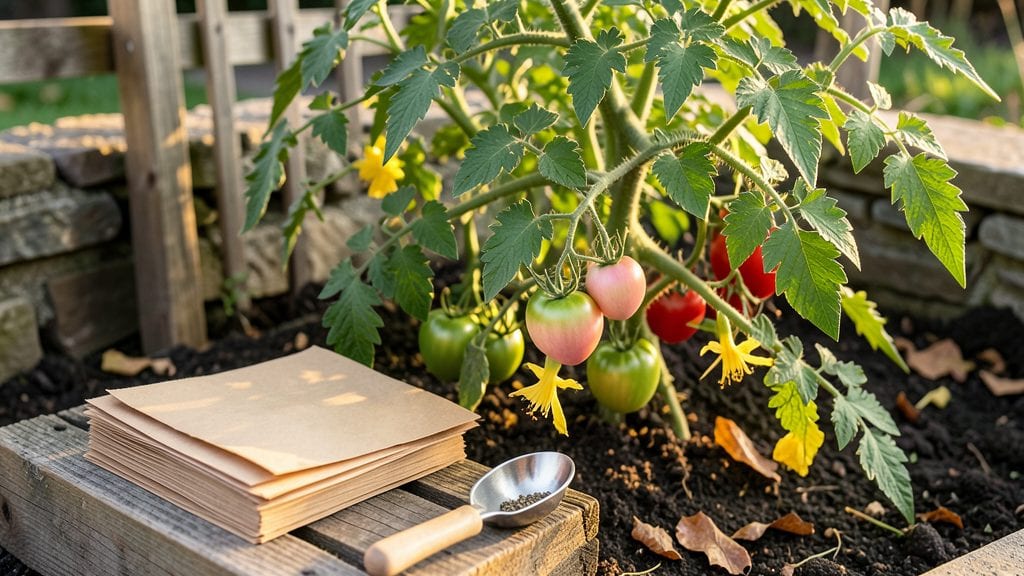
Collecting heirloom tomato seeds isn’t just preservation—it’s saving the bold flavors and heirloom traits grocery stores abandoned long ago, and the fermentation method I use guarantees pure seeds free from hybrid contamination—no fancy tools, just a bowl, water, and patience.
Most gardeners skip this step and end up with mixed seeds that don’t come true, but this technique keeps your heirloom’s true character intact.
Start with fully ripe tomatoes—those deep reds or yellows that burst with flavor. Slice them open, scoop out the jelly-like seed gel, and ferment it in a jar for 5-7 days. The magic happens when the good seeds sink while the bad float away.
This isn’t just science; it’s how gardeners have preserved heirlooms for generations, ensuring each seed grows into the exact tomato you love.
After fermentation, rinse the seeds gently, spread them on a paper towel to dry, and store them in a cool, dark place. Within 2-3 weeks, you’ll have pure, viable seeds ready for next year’s garden.
The payoff? Tomatoes that taste like your grandmother’s kitchen—sweet, meaty, and bursting with the diversity modern agriculture erased.
This method works for any heirloom variety, from beefsteaks to cherry tomatoes, and adapts to small spaces or large harvests. Once you try it, you’ll never buy seeds again—just save your own, generation after generation. Let’s get those seeds fermenting!
📚 In This Guide
- What you need
- Instructions
- Tips and common mistakes
- Wrapping up and next steps
What you need
- ● Mature heirloom tomatoes: Choose fully ripe, disease-free tomatoes (at least 3-5 per variety for genetic diversity).
- ● Small containers: 4–8 oz jars or bowls (glass or ceramic preferred) for fermentation.
- ● Water: Distilled or dechlorinated (let tap water sit out for 24 hours or use filtered water).
- ● Fine-mesh strainer or cheesecloth: For rinsing seeds (mesh size: ~0.5mm or finer).
- ● Paper towels or coffee filters: For drying seeds (unbleached, seed-free).
- ● Small envelopes or seed packets: Labeled with variety name, date, and location (e.g., "Brandywine 2024, Zone 7").
- ● Permanent marker or labels: To mark containers and packets.
- ● Plastic spoon or butter knife: For scooping out tomato gel and seeds.
- ● Fine-tip tweezers: For separating seeds from excess pulp.
- ● Seed-saving journal: To track varieties, germination rates, and notes.
- ● Dehydrator or screen: For faster seed drying (if humidity is high).
- ○ Isopropyl alcohol (70%): For sterilizing tools (optional but recommended for hygiene).
- ● Time: Allow 1–2 weeks for fermentation, drying, and storage prep.
- ● Space: A clean, dry area (like a kitchen counter) for drying seeds.
- ● Patience: Seed saving is a slow but rewarding process!
Step-by-Step instructions for collecting heirloom tomato seeds
Preserve your favorite heirloom varieties with this reliable fermentation method that ensures pure seeds.
Select and Prepare Ripe Tomatoes
Choose tomatoes that are fully ripe—this is critical for seed viability. Look for deep color, softness when gently squeezed, and a sweet, rich aroma. Avoid tomatoes that show signs of disease or pest damage, as contaminated seeds will carry those issues forward. I typically select 4-6 tomatoes from the same plant to maintain genetic consistency, especially if I'm working with a specific heirloom variety.
Cut the tomatoes open with a clean knife and scoop out the gelatinous seed gel into a small bowl. The gel contains enzymes that help separate viable seeds from non-viable ones during fermentation. If the seeds are particularly sticky, I add a splash of water to help loosen them from the pulp. Never use metal bowls or utensils, as they can introduce contaminants that may harm seed development.
Ferment the Seed Gel
Place the seed gel mixture in a clean, non-metallic container—glass jars or ceramic bowls work best. Cover the container loosely with a cloth or paper towel secured with a rubber band, allowing airflow while keeping out debris. This fermentation process typically takes 3-5 days at room temperature (65-75°F). The goal is to break down the gel and separate viable seeds from the pulp.
During fermentation, you’ll notice the mixture bubbling slightly and developing a sour, vinegary smell—this is normal and indicates active fermentation. Stir the mixture gently once a day to ensure even exposure to air. After 3-5 days, the gel should have mostly broken down, leaving clean, white seeds at the bottom of the container. If fermentation takes longer, the seeds may become damaged, so monitor the process closely.
Rinse and Dry the Seeds
Once fermentation is complete, pour the mixture through a fine-mesh strainer or cheesecloth to separate the seeds from the remaining gel. Rinse the seeds under cool, running water until the water runs clear—this removes any lingering pulp or fermentation byproducts. Gently pat the seeds dry with a paper towel or let them air-dry on a clean, flat surface for 1-2 hours.
Spread the seeds in a single layer on a piece of parchment paper or a clean, dry cloth. Place them in a warm, dry location with good airflow, like a sunny windowsill or a seed drying rack. Avoid direct sunlight, as it can overheat and damage the seeds. The seeds are ready for storage when they feel dry and brittle to the touch, which usually takes 5-7 days. Proper drying prevents mold and ensures long-term viability.
Store Seeds for Long-Term Preservation
Once completely dry, transfer the seeds to a labeled envelope or small glass jar. I always include the variety name, date of collection, and any notable characteristics (like color or flavor) on the label. Store the seeds in a cool, dark place, such as a refrigerator or a seed storage box. Under ideal conditions, properly stored heirloom tomato seeds can remain viable for 3-5 years, though germination rates may decline over time.
To test seed viability before planting, conduct a simple germination test: place 10 seeds between two damp paper towels in a sealed plastic bag and keep them in a warm location. Check for sprouts after 7-10 days. If fewer than 50% of the seeds germinate, consider refreshing your seed stock by repeating the collection process with the next season’s tomatoes.
Tips & tricks for perfect heirloom tomato seed preservation
Preserving heirloom tomato seeds successfully requires patience and attention to detail—here's how to ensure you capture the true essence of your favorite varieties.
Selection Matters: In Step 1, when selecting your 4-6 tomatoes, prioritize those with the most vibrant color and richest aroma. The deeper the red, yellow, or purple hue, the more likely the seeds will retain those characteristics. I've found that tomatoes from the same plant produce more consistent seeds, so stick to one variety if possible. Avoid any tomatoes showing even minor signs of cracking or disease, as these can compromise seed quality.
Fermentation Environment: During the 3-5 day fermentation process at room temperature (65-75°F), maintain consistent conditions. Place your container in a spot that stays around 75°F—warmer than this can damage seeds, while cooler temperatures may extend fermentation beyond the ideal window. If your kitchen fluctuates, consider using a seedling heat mat set to low heat to maintain that perfect 75°F range. The slight bubbling and vinegary smell are good indicators everything is progressing correctly.
Drying Technique: In Step 3, when drying your seeds for 5-7 days, pay close attention to airflow. While a sunny windowsill works well, avoid direct sunlight which can overheat and kill seeds. I've had success using a small fan on low setting to create gentle airflow around the drying seeds. Test for dryness by gently pressing a seed between your fingers—it should feel completely dry and brittle, not at all sticky. This critical drying step prevents mold and ensures long-term viability.
Labeling System: When storing your seeds in Step 4, implement a detailed labeling system that includes not just the variety name but also the collection date and any distinctive characteristics. I've created a simple spreadsheet to track each seed batch's germination rates over the years. This helps me identify which varieties maintain the best viability over time. For example, my 'Brandywine' seeds consistently germinate at 90% after 3 years, while 'Black Krim' drops to 70% after the same period.
Pro Tips for Collecting Heirloom Tomato Seeds
- Preserving heirloom tomato seeds successfully requires patience and attention to detail—here's how to ensure you capture the true essence of your favorite varieties.
- Selection Matters: In Step 1, when selecting your 4-6 tomatoes, prioritize those with the most vibrant color and richest aroma.
- Fermentation Environment: During the 3-5 day fermentation process at room temperature (65-75°F), maintain consistent conditions.
Frequently asked questions
Got questions about saving heirloom tomato seeds? You’re not alone! Here are answers to the most common concerns—so you can preserve those prized varieties with confidence.
How do I know if my tomato seeds are truly heirloom?
Heirloom seeds are open-pollinated, meaning they’ll produce the same variety year after year. If you’re saving seeds from a store-bought tomato, it might be hybrid (F1) and won’t breed true. Always check seed packets for "heirloom" or "open-pollinated" labels—or ask the seller!
How long does the fermentation process take?
Fermentation typically takes 2–5 days, depending on warmth and humidity. Keep the jar in a spot around 70–80°F (21–27°C)—like a sunny windowsill. If mold appears (fuzzy spots), toss it and start fresh. Patience pays off for cleaner seeds!
What if my seeds don’t dry properly?
If seeds stay damp, they’ll rot or grow mold. Spread them on paper towels or a screen in a warm, dry place (like a seed-starting mat) for 1–2 weeks. Stir them daily to speed drying. Store in a cool, dark place (like a jar with a lid) once fully dry—think crispy like cereal!
Can I save seeds from heirloom tomatoes grown in containers?
Container-grown tomatoes are great for seed saving—just ensure they’re isolated from other tomato varieties (or at least 500+ feet away) to avoid cross-pollination. Bees and wind can carry pollen, so space matters if you’re preserving purity.
How should I store saved seeds long-term?
Keep seeds in a cool (50–60°F/10–15°C), dry place like a sealed envelope or airtight container. Add a desiccant packet to absorb moisture. Label with the variety and date! Most heirloom seeds stay viable for 3–5 years, though some last decades.
Pro Tip:
Test a few seeds before planting to check viability. Place them on a damp paper towel, seal in a bag, and wait 5–7 days. If 80%+ sprout, your stash is good to go!
Wrapping up and next steps
Collecting heirloom tomato seeds through fermentation is a rewarding way to preserve rare varieties and connect with gardening traditions. By following the simple fermentation method, you ensure purity and viability for future harvests—keeping flavors and traits intact.
Whether you're a seasoned gardener or just starting, this process empowers you to cherish biodiversity one seed at a time.
Ready to grow your seed collection? Start by saving seeds from your favorite heirloom tomatoes this season, and share your discoveries with fellow gardeners! 🌱