
Lawn
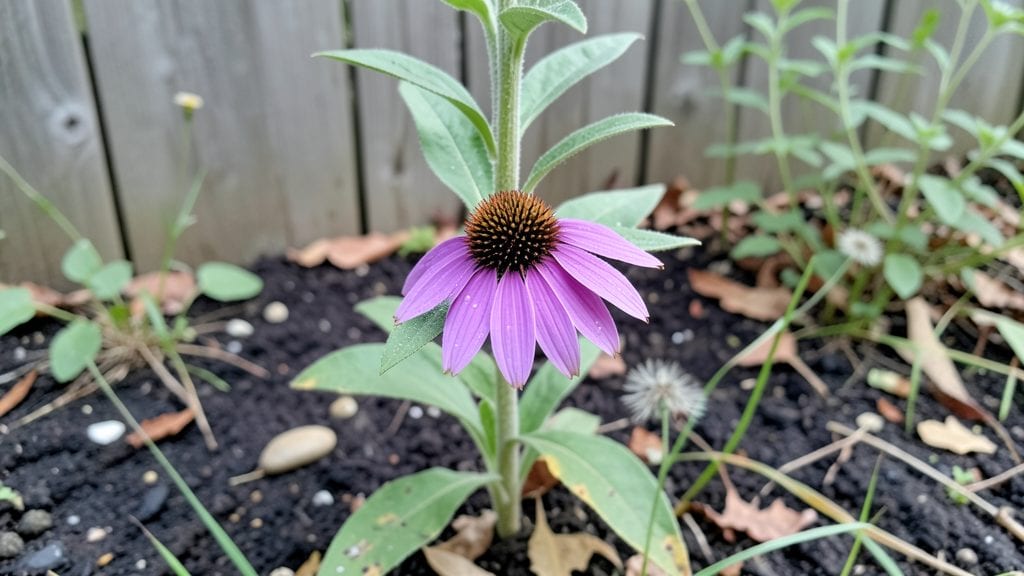
Those coneflower seed heads are nature’s pollinator magnets—even after the blooms fade. 🌿 I’ve learned to leave them standing through winter, watching goldfinches and bees work the dried stems while my neighbors toss them out. The secret? Timing and technique matter more than you’d think.
Harvest starts in late summer when seed heads turn papery brown. Use clean shears to snip stems—leave a few plants to self-seed for next year’s free flowers. For drying, bundle stems in a warm, dry spot for 2-3 weeks or hang upside down in a dark closet.
The dried blooms keep their structure for years, perfect for winter arrangements or seed-saving.
You’ll end up with vibrant dried blooms that add texture to bouquets and feed birds through snow. The seed heads also break open to release tiny, fertile seeds—just shake them into next year’s garden. It’s a no-fuss way to extend your coneflower’s value from summer to spring.
Works for gardeners in zones 3-9, whether you’re drying a handful or a whole border. Here’s how to make the most of them before winter sets in.
📚 In This Guide
- What you need
- Instructions
- Tips and common mistakes
- Wrapping up and next steps
What you need
- ● Mature coneflower plants (e.g., Echinacea purpurea, E. pallida, or Rudbeckia varieties) with fully developed seed heads (brown, papery, and slightly dried).
- ● Pruning shears or sharp scissors – Clean, sharp tools prevent damage to stems and seed heads.
- ● Newspaper, brown paper bags, or mesh bags – At least 3–5 bags (one per plant type if collecting multiple varieties).
- ○ Rubbing alcohol (70% isopropyl) and cotton swabs – For sterilizing tools (optional but recommended for disease prevention).
- ● Drying rack or wire mesh screen – Elevates seed heads for airflow (e.g., a wooden frame with chicken wire).
- ○ Fan (optional) – Speeds up drying in humid climates (place on low setting).
- ● Small paintbrush or tweezers – Helps separate seeds from chaff later.
- ● Cardboard egg cartons or small envelopes – For storing seeds long-term (label each!).
- ● Patience – Seed heads need 2–4 weeks to fully dry indoors.
- ● Sunny, dry location – Avoid damp areas to prevent mold.
- ○ Gloves (optional) – Protects hands from prickly seed heads.
Step-by-Step guide to harvesting and drying coneflower seed heads
Here's how to turn those spent coneflower blooms into pollinator magnets that last through winter.
🌿 Step 1: Identify and Select Healthy Seed Heads
Wait until coneflowers have fully bloomed and the petals have naturally fallen away, leaving just the spiky central seed head. Choose heads that are dry to the touch but still firmly attached to the stem—this usually happens in late summer or early fall. Avoid any seed heads showing signs of mold, pests, or excessive browning, as these won't dry properly.
I like to harvest on a dry morning after the dew has evaporated. Gently grasp the stem about 2-3 inches below the seed head and give a firm tug. The head should come away cleanly if it's ready. If it resists, wait another day or two—overripe seed heads crumble easily and won't store well.
✂️ Step 2: Harvest and Prepare for Drying
Use clean, sharp pruners or scissors to cut stems at a 45-degree angle about 4-6 inches below the seed head. This angle increases the surface area for water absorption when you later arrange them in water. Remove any remaining wilted petals or damaged leaves from the stems to prevent mold during drying.
Here's the thing—don't wash the seed heads before drying. Any moisture will encourage rot. Instead, gently brush off loose debris with your fingers or a soft brush. Arrange the harvested heads in a single layer on a clean, dry surface like newspaper or a drying rack. Space them 2-3 inches apart so air circulates freely around each head.
☀️ Step 3: Dry the Seed Heads Properly
Place your drying setup in a location with indirect sunlight and good air circulation—think a covered porch, shaded patio, or even a well-ventilated garage. Direct sunlight can cause the seed heads to dry too quickly and crack. You'll know they're drying correctly when the stems snap cleanly when bent and the seed head feels light in your hand.
This process typically takes 2-3 weeks, depending on humidity levels. If your climate is particularly damp, consider using a small fan on low setting to improve airflow. Check weekly for signs of mold or pests—if you spot any, remove those seed heads immediately and discard them.
🪴 Step 4: Store Dried Seed Heads for Long-Term Use
Once completely dry, trim the stems down to about 1-2 inches below the seed head. Bundle 4-5 stems together and secure with twine or floral wire. Hang these bundles upside down in a cool, dry place with good air circulation, like a closet or pantry. This mimics their natural growing position and prevents moisture buildup.
Your dried coneflower seed heads will maintain their beauty and pollinator appeal for 1-2 years when stored properly. I like to arrange them in small bundles for winter wreaths or scatter them in garden beds to provide late-season food for goldfinches and other seed-eating birds. Just don't store them in plastic bags—paper bags with holes punched in them work best.
💧 Step 5: Rehydrate for Floral Arrangements (Optional)
If you want to use your dried seed heads in arrangements, place the stems in a clean vase with warm water and a drop of floral preservative. Change the water every 2-3 days to keep them fresh. You'll notice the seed heads begin to plump up and regain some of their original color within 24 hours.
Real talk: dried coneflowers won't last as long as fresh-cut flowers, but they add incredible texture and winter interest to arrangements. I often mix them with dried grasses and berries for a rustic, natural look. For best results, use them within 6-8 weeks of drying—they'll hold their shape longer if you wait to rehydrate them until you're ready to arrange them.
Tips & tricks for perfectly preserved coneflower seed heads
These simple yet game-changing tips will help you transform your coneflower blooms into long-lasting pollinator magnets that stay beautiful for years.
Timing is Everything: Harvest your coneflower seed heads in the morning after dew has evaporated—this prevents moisture from lingering on the stems. I've learned this the hard way: harvesting damp seed heads leads to mold during drying. If you miss the morning window, wait until the stems are completely dry to the touch before harvesting. The key is to work with dry material from the start.
The Technique That Changed Everything: When cutting stems in Step 2, make that 45-degree angle about 4-6 inches below the seed head—it's worth the extra attention. This angle creates more surface area for water absorption later, making your dried seed heads easier to rehydrate for arrangements. I also recommend using clean, sharp pruners to avoid crushing the stems, which can create weak points that lead to breakage during drying.
Drying Strategy: The 2-3 week drying period in Step 3 can feel like forever, but patience pays off. For faster drying in humid climates, place a small fan on low setting near your drying rack—just keep it out of direct airflow to prevent cracking. I've found that checking weekly for mold is crucial; even one affected seed head can spread to others. Remove any questionable specimens immediately to protect your entire batch.
Storage Wisdom: After trimming stems to 1-2 inches in Step 4, bundle them with twine or floral wire. Hanging them upside down mimics their natural growing position and prevents moisture buildup. I store mine in paper bags with small holes punched in the sides—this allows air circulation while keeping out pests. The upside-down position also helps maintain the seed heads' natural shape for longer.
Pro Tips for Coneflower Seed Heads
- These simple yet game-changing tips will help you transform your coneflower blooms into long-lasting pollinator magnets that stay beautiful for years.
- Timing is Everything: Harvest your coneflower seed heads in the morning after dew has evaporated—this prevents moisture from lingering on the stems.
- The Technique That Changed Everything: When cutting stems in Step 2, make that 45-degree angle about 4-6 inches below the seed head—it's worth the extra attention.
Frequently asked questions
Got questions about working with coneflower seed heads? You’re not alone! Here are answers to the most common queries—from harvesting to storage and beyond.
When is the best time to harvest coneflower seed heads?
Harvest coneflower seed heads in late summer to early fall (August–October) when they’ve turned brown and dried but haven’t scattered seeds. Wait until the seed fluff feels dry to the touch—this ensures viability. Pro tip: Pick on a dry, sunny day to speed up drying.
Can I leave coneflower seed heads on the plant over winter?
Leaving seed heads on the stems adds winter interest and provides food for birds. However, if you want to collect seeds, cut them before snowfall. Otherwise, let nature handle it—birds and pollinators will thank you!
How do I store coneflower seeds for planting next year?
Store seeds in a cool, dry place (like a paper envelope or jar) for up to 2 years. Avoid plastic bags to prevent mold. Label them with the harvest date! For best results, plant them outdoors in early spring—they need cold stratification to germinate.
Do dried coneflower seed heads still attract pollinators?
Yes! While they won’t produce nectar, the structure provides shelter for beneficial insects like ladybugs and lacewings. Plus, the seeds are a late-season snack for birds. Bonus: Hang dried heads in bundles for year-round garden charm!
What should I do if my coneflower seed heads mold or rot?
Mold or rot usually means high humidity during storage. Discard affected seed heads and store future harvests in a well-ventilated area. If harvesting, avoid damp mornings, and dry seeds indoors for 1–2 weeks before storing.
Can I use coneflower seed heads for crafts instead of planting?
Dried coneflowers make stunning wreaths, potpourri, or dried arrangements. Remove seeds if you want a cleaner look, or leave them for texture. Just ensure they’re fully dry to prevent mildew.
Wrapping up and next steps
Coneflower seed heads are a game-changer for gardeners who love beauty and sustainability! 🌻 They’re easy to grow, support pollinators, and add winter charm to your yard. Whether you’re drying them for crafts or leaving them on the stems, these resilient blooms bring year-round magic with minimal effort.
Ready to level up your garden? Start by planting a few coneflowers this spring—your local bees, butterflies, and future DIY projects will thank you! 🐝✨