Flowers
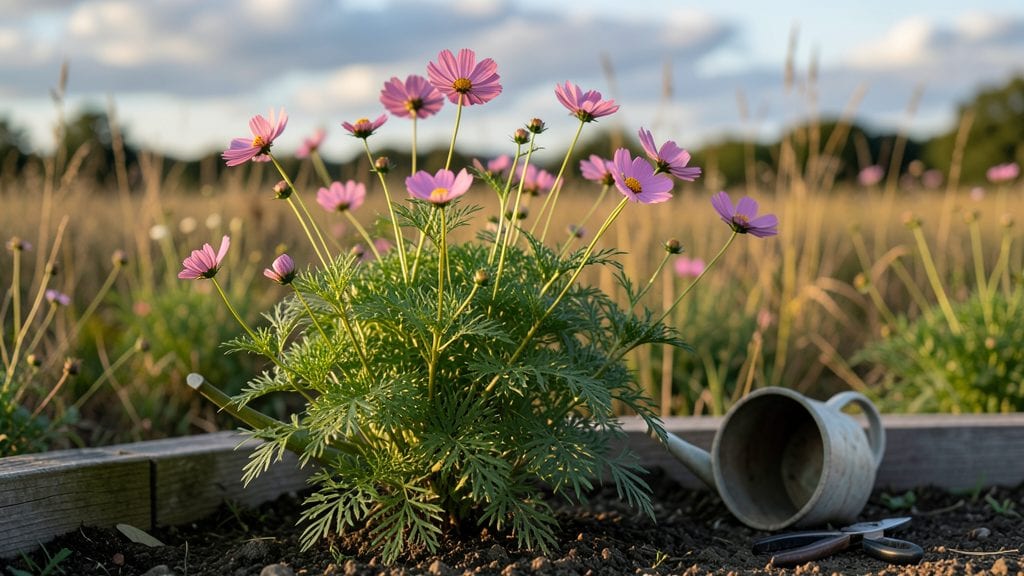
Planting cosmos wildflower seeds is the fastest way to turn a bare patch into a riot of color—bold blooms in just 60 days. 🌻 I’ve grown them in everything from raised beds to neglected corners, and they never disappoint.
The secret isn’t fancy soil or constant care; it’s knowing their simple needs and letting them do the rest.
You’ll need a sunny spot (at least 6 hours of direct light daily), loose soil mixed with compost, and patience for their slow start. Cosmos seeds germinate best when kept moist but not soggy, and they’ll pop up in 7-14 days—sometimes even faster if the weather cooperates.
Once they’re up, they grow fast, reaching 2-3 feet tall in no time.
By summer, you’ll have clouds of daisy-like blooms that keep coming back all season. Bees, butterflies, and hummingbirds will flock to them, and the plants stay disease-resistant even when neglected. The only real challenge? Resisting the urge to deadhead (though I’ve done it anyway—it’s fine).
Works in borders, containers, or wildflower meadows—even in poor soil. Here’s how to get them thriving without the guesswork.
📚 In This Guide
- What you need
- Instructions
- Tips and common mistakes
- Wrapping up and next steps
What you need
- ● Cosmos wildflower seeds: 1–2 oz (about 100–200 seeds, depending on desired coverage). Choose a mix like Cosmos bipinnatus or Cosmos sulphureus for bold colors.
- ● Well-draining soil: A 10-inch-deep bed of loose, nutrient-rich soil (amend with compost if needed). Cosmos thrive in USDA Zones 3–11.
- ● Sunlight access: A spot receiving 6+ hours of direct sunlight daily (full sun is ideal).
- ● Water source: A watering can or hose with a gentle spray nozzle for consistent moisture.
- ○ Plant markers (optional but helpful): Small stakes or labels to track seed varieties.
- ● Garden gloves: To protect hands while handling soil/seeds.
- ● Rake or hoe: For loosening soil and creating shallow furrows (¼-inch deep).
- ○ Mulch (optional): Straw or shredded leaves to retain moisture and suppress weeds.
- ○ Fertilizer (optional): A balanced, low-phosphorus fertilizer (e.g., 5-5-5) if soil is poor.
- ● Pruning shears (for later): To deadhead spent blooms and encourage more flowers.
Step-by-Step instructions for growing cosmos wildflower seeds
Here’s how to coax those effortless, sunlit cosmos blooms from seed in just two months.
🌱 Step 1: Prepare the Soil and Plant Seeds Directly
Cosmos seeds thrive when sown directly in the garden—no need for indoor starts. Choose a sunny spot with well-draining soil (they hate soggy feet). Loosen the top 6 inches of soil with a garden fork, then mix in 2 cups of compost per 4 square feet of bed. This ensures nutrients and air reach those shallow roots.
Scatter seeds ¼ inch deep, spacing them 12 inches apart for full, airy blooms. I like to sprinkle them in drifts rather than rows—they’ll self-seed beautifully next year. Lightly cover with soil, then water gently until the surface feels damp but not wet. Overwatering now can wash seeds too deep, delaying germination.
☀️ Step 2: Provide Consistent Moisture and Sunlight
Keep the soil evenly moist until germination, which typically takes 7-14 days in 60-75°F soil. You’ll know it’s time when tiny, fern-like leaves (cotyledons) push through the soil. Once sprouted, cosmos are drought-tolerant, but young plants need steady moisture to establish roots.
After germination, water 1 inch per week, letting the top 2 inches of soil dry between waterings. Place stakes or markers at planting time—cosmos grow 2-4 feet tall, and their feathery stems can flop without support. A south-facing location with 6+ hours of direct sun ensures bold, vibrant blooms. Too little light? Flowers will be sparse and pale.
🌿 Step 3: Thin and Maintain for Abundant Blooms
When seedlings reach 2 inches tall, thin them to 18 inches apart for mature plants. Snip weaker stems at the base with clean scissors—don’t pull, or you’ll disturb roots. This step is crucial: crowded cosmos produce fewer blooms and attract more pests. I always save the thinned seedlings for cut flowers or to share with neighbors.
Deadhead spent blooms by pinching off faded flowers at the base. This encourages nonstop blooming from early summer until frost. Fertilize lightly once, using ½ cup of 5-10-10 fertilizer per 4 square feet, but skip heavy feeding—cosmos thrive in lean soil. Watch for aphids; a strong spray of water usually clears them before they cause damage.
✂️ Step 4: Harvest and Preserve for Next Season
Cut back stems by ⅓ after the first flush of blooms to promote bushier growth. Harvest individual flowers in the morning for longest vase life—strip leaves from the stems and arrange in water immediately. Cosmos dry beautifully; tie small bunches upside down in a dark, airy space for 7-10 days to create seed heads for next year’s garden.
Leave some seed heads on the plant if you want a naturalized look—they’ll self-seed prolifically. In fall, cut back stems to 6 inches and add the debris to your compost pile. The roots will survive winter in most climates, often popping up again in spring without replanting.
Tips & tricks for perfect cosmos wildflower growth
Between us, I've watched cosmos transform from delicate seedlings to towering blooms in just two months—and I've also seen them fail when basic details slip through the cracks. Here's what nobody tells you about growing these effortless beauties.
Soil Prep Secret: The 60-75°F soil temperature range in Step 1 isn't just a suggestion—it's critical for germination. If your soil feels cooler than 60°F, wait until morning when the sun warms it up. I've planted cosmos in 55°F soil and watched germination stretch to 3 weeks instead of the usual 7-14 days. Use a soil thermometer if you're unsure—it's worth the investment for these finicky seeds.
Planting Technique: That ¼-inch depth recommendation in Step 1 is non-negotiable. Cosmos seeds need light to germinate, so don't bury them deeper. I learned this the hard way after planting too deep and watching seedlings struggle to reach the surface. For extra insurance, press seeds gently into the soil rather than covering them—this maintains proper depth while ensuring good soil contact.
Thinning Strategy: When you're thinning seedlings to 18 inches apart in Step 3, use clean scissors instead of pulling. I used to yank them out, but this disturbs neighboring roots and can trigger fungal issues. The snipping method also lets you harvest those thinned seedlings for cut flowers—no waste! Plus, it's easier to compost the clean stems without soil contamination.
Watering Wisdom: The 1-inch per week rule in Step 2 applies to mature plants, but young seedlings need more frequent moisture. I've found that watering in the morning gives seedlings a head start on hydration before the heat of day. For container-grown cosmos, check soil moisture daily—they dry out faster in pots. And always water at the base to prevent fungal diseases that love damp foliage.
Pro Tips for Cosmos Wildflower Seeds
- Between us, I've watched cosmos transform from delicate seedlings to towering blooms in just two months—and I've also seen them fail when basic details slip through the cracks.
- Soil Prep Secret: The 60-75°F soil temperature range in Step 1 isn't just a suggestion—it's critical for germination.
- Planting Technique: That ¼-inch depth recommendation in Step 1 is non-negotiable.
Frequently asked questions
Got questions about growing cosmos wildflower seeds? You’re not alone! Here are some of the most common queries—and their easy, no-fuss answers—to help you cultivate a dazzling display of blooms in no time.
When is the best time to plant cosmos wildflower seeds?
Cosmos thrives in warm weather, so wait until after the last frost—typically late spring or early summer. For a longer bloom season, you can even try a second planting in midsummer! Just ensure soil temps are at least 60°F (15°C) for optimal germination.
How long does it take for cosmos seeds to germinate?
You’ll see sprouts in 7–14 days if conditions are right! Keep seeds moist (not soggy) and in full sun or partial shade. If germination takes longer, check for consistent moisture and warm soil—patience is key!
Can I grow cosmos wildflowers in containers or just in the ground?
Cosmos adapts well to containers, hanging baskets, or garden beds. Just ensure pots have drainage holes and use well-draining soil. For containers, choose a spot with at least 6–8 hours of sunlight daily to maximize blooms.
Are cosmos flowers good for pollinators like bees and butterflies?
Yes! Cosmos are a pollinator magnet—bees, butterflies, and hummingbirds adore their nectar-rich blooms. Planting them alongside other wildflowers (like sunflowers or zinnias) creates a thriving ecosystem for local wildlife.
What should I do if my cosmos plants aren’t blooming?
Lack of blooms often means too much nitrogen (focus on phosphorus/potassium instead) or overcrowding. Try deadheading spent flowers and thinning plants to 12–18 inches apart. Also, ensure they get full sun—cosmos wilt in shade!
Pro Tip:
For extra-vibrant blooms, sprinkle a light layer of compost around plants monthly. Cosmos are drought-tolerant once established, but a little organic boost keeps them thriving all season!
Wrapping up and next steps
Transforming your outdoor space with cosmos wildflower seeds is easier—and more rewarding—than you think! 🌸 With just a little patience and care, you’ll be greeted by vibrant blooms in as little as 60 days, adding color, life, and joy to your garden.
Whether you’re a seasoned gardener or a beginner, these resilient seeds are your ticket to effortless beauty.
Ready to dive in? Start small—pick a sunny spot, grab your seeds, and let nature do the rest. Your future self (and pollinators!) will thank you. Plant your cosmos today and watch your garden come alive!