
Pests
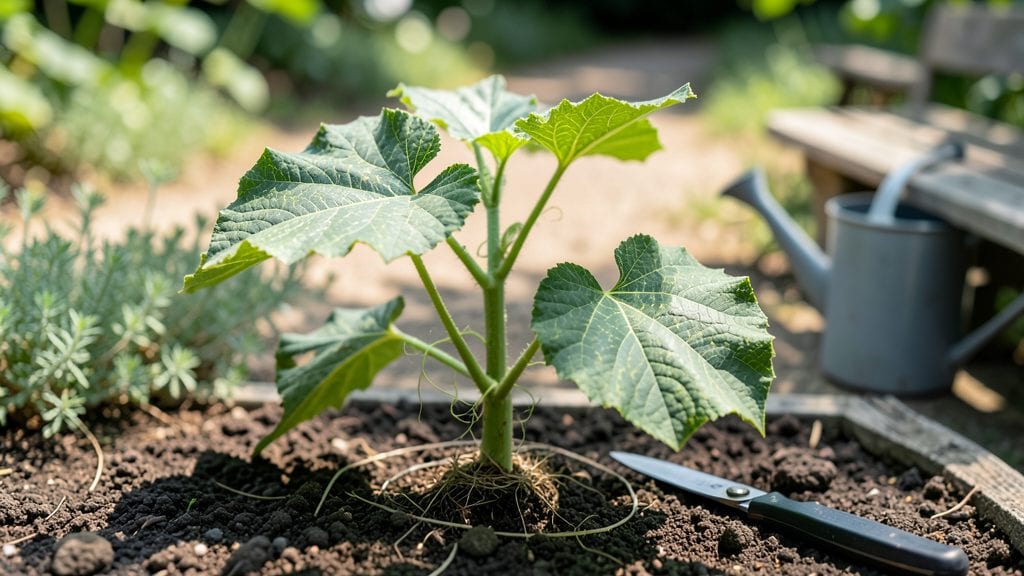
When cucumber seedling leaves start yellowing, wilting, or getting holes, you’re not dealing with a lost cause—just a fixable problem. 🌱 I’ve saved dozens of seedlings from this exact issue using simple, fast-acting remedies that work in days, not weeks.
The key is spotting the real culprit quickly: is it pests, disease, or something you’re doing (or not doing) in the garden?
Most gardeners panic when they see those first signs, but the solutions are often easier than you’d think. Overwatering? Let the soil dry out between waterings. Aphids or spider mites? A strong spray of water or neem oil does the trick.
Powdery mildew? Remove affected leaves and improve airflow. The secret is acting fast—before the problem spreads to your entire crop.
By the end of this guide, you’ll know exactly what’s wrong with your seedlings and how to turn things around in 24-48 hours. No more guessing, no more wasted time—just healthy, thriving plants ready to climb their trellis.
The best part? These fixes work for any cucumber variety, whether you’re growing bush types or vining varieties.
We’ll cover the most common issues, step-by-step solutions, and preventive tips so you can keep your seedlings strong from start to finish. Let’s get those leaves looking vibrant again!
Root Causes Behind Leaf Woes
Understanding why your cucumber seedling leaves are struggling is the first step to saving them. Below, we break down the most common culprits—backed by science—and explain how they damage your plants at the cellular level.
Cucumber seedlings thrive in moderate temperatures (60–75°F during the day, 50–60°F at night). When exposed to heatwaves (above 90°F) or frost (below 50°F), their leaves react in predictable ways:
- Heat Stress: - Wilting & Yellowing: High temps cause stomatal closure (tiny leaf pores shut to conserve water), reducing photosynthesis. Chlorophyll breaks down, turning leaves yellow (chlorosis) or brown. - Sunburn Spots: Direct sunlight + heat = oxidative damage (like a sunburn on human skin).
Leaves develop bleached or crispy patches, especially on edges. - Science Alert: Heat stress triggers ethylene gas production, a plant hormone that accelerates aging (senescence) in leaves.
- Cold Stress: - Black or Mushy Spots: Frost damages cell membranes, causing ice crystal formation inside leaf tissues. Cells rupture, leading to necrotic (dead) spots. - Stunted Growth: Cold slows enzyme activity, halting nutrient absorption.
Seedlings may stop growing entirely or develop purple stems (a sign of phosphorus deficiency).
💡 Pro Tip: Use shade cloth (30–50%) in summer or row covers in spring to buffer temperature swings.
Water is life or death for cucumber seedlings. Too much or too little throws their delicate balance off:
- Overwatering (Root Rot): - Yellow, Mushy Leaves: Excess water drowns roots, cutting off oxygen. Anaerobic bacteria (like Pythium) thrive, causing root rot.
Leaves turn yellow and wilt even when soil is wet. - Fungal Infections: Damp leaves invite powdery mildew (white fuzzy spots) or downy mildew (yellow patches with gray mold underneath). - Science Note: Roots need aeration—waterlogged soil forces them to suffocate, halting nutrient uptake.
- Underwatering (Drought Stress):
- Crispy, Curled Leaves: Cells plasmolyze (shrink from water loss), causing edges to brown and curl upward.
- Premature Leaf Drop: Seedlings sacrifice old leaves to preserve new growth, stunting development.
- Key Stat: Cucumbers need 1–1.5 inches of water per week—consistency is critical!
✨ Fix It Fast: Let top 1–2 inches of soil dry between waterings. Use drip irrigation to avoid wetting leaves (which spreads disease).
Tiny invaders sap nutrients or inject toxins into leaves, triggering visible damage:
| Culprit | Damage Signs | How It Works |
|---|---|---|
| Aphids | Sticky residue ("honeydew"), curled leaves | Inject saliva with toxins, stunting growth. Spread viruses like cucumber mosaic. |
| Spider Mites | Yellow stippling, fine webbing | Pierce cells to suck sap, causing chlorosis (yellow dots). Thrive in dry heat. |
| Fungal Pathogens (e.g., Alternaria) | Dark concentric rings on leaves | Spores land on wet leaves, infecting through stomata. Blocks chlorophyll production. |
| Cutworms | Leaves chewed at night, seedlings toppled | Munch on stems/leaves, leaving irregular holes or clean cuts near soil. |
🔥 Emergency Action: Spray leaves with neem oil (1 tsp/gallon water) for pests or copper fungicide for pathogens. Remove infected leaves to stop spread.
Leaves scream for help when nutrients are off-kilter. Here’s how to read their signals:
- Nitrogen (N) Deficiency:
- Old leaves turn yellow (starting at tips), but veins stay green.
- Why? Nitrogen fuels chlorophyll—without it, leaves can’t photosynthesize.
- Potassium (K) Deficiency:
- Yellow edges with brown "scorch" (like a fried leaf).
- Science Link: Potassium regulates water balance and disease resistance. Low K = cells leak water, causing burn.
- Magnesium (Mg) Deficiency:
- Interveinal chlorosis (yellow between veins, starting on older leaves).
- Fun Fact: Magnesium is the center of chlorophyll—without it, leaves lose their green pigment.
- Toxic Overload (e.g., Too Much Salt):
- Crispy, brown leaf tips with white crust on soil.
- Problem: Excess salts (from tap water or fertilizers) disrupt osmosis, causing cell dehydration.
🎯 Quick Fix: Test soil pH (ideal: 6.0–6.8). Amend with compost or balanced fertilizer (10-10-10). Flush soil with rainwater if salts are high.
Even gentle mishaps can shock seedlings:
- Transplant Shock:
- Wilting, stunted growth within 24–48 hours of moving.
- Why? Roots break during transfer, disrupting water and nutrient flow. Seedlings also lose protective mycorrhizal fungi (soil microbes that aid absorption).
- Mechanical Injury (e.g., Hail, Wind):
- Torn or punctured leaves = entry points for bacteria/fungi.
- Cellular Impact: Damaged cells release sugars, attracting pests like fruit flies.
👨🍳 Prevention: Hardening off seedlings (acclimating to outdoor conditions over 5–7 days) reduces shock. Use support cages to protect from wind.
Cucumbers are sun-lovers, but light stress causes chaos:
- Insufficient Light (Leggy Seedlings):
- Long, weak stems with small, pale leaves.
- Science: Low light = etoliation (stems stretch to reach sunlight, but chlorophyll production drops).
- Excessive Light (Sun Scorch):
- Bleached or papery white patches on leaves.
- Why? UV radiation breaks down cell membranes faster than leaves can repair.
💡 Solution: Provide 6+ hours of sunlight daily. Use shade cloth in peak afternoon sun (1–4 PM). Rotate seedlings weekly for even growth.
Quick Fixes for Weak Seedling Leaves
When your cucumber seedlings show signs of distress—yellowing, wilting, or stunted growth—acting fast can make all the difference. Below are practical, step-by-step solutions tailored to common causes, along with prevention tips to keep your seedlings thriving. No fancy tools or chemicals needed—just smart, natural fixes!
Signs: Yellow, mushy leaves; soil stays soggy; seedlings wilt despite water.
How to Fix It: 🔥 Step 1: Pause Watering Immediately
- Let the top 1–2 inches of soil dry out before watering again. Overwatering suffocates roots and invites fungal diseases.
🍳 Step 2: Improve Drainage
- Mix in perlite or coarse sand (1 part to 3 parts potting mix) to aerate the soil. If using containers, ensure they have drainage holes.
👨🍳 Step 3: Repot if Necessary
- If roots are circling or the soil is compacted, transfer seedlings to a larger pot with fresh, well-draining mix. Gently tease out tangled roots to encourage spread.
🥘 Step 4: Adjust Your Watering Routine
- Water only when the topsoil feels dry (stick your finger in—if it’s damp, wait). Early mornings are best to reduce evaporation.
💡 Prevention Tip:
- Use self-watering pots or drip irrigation for consistency. Mulch with straw to retain moisture without drowning roots.
Signs: Crispy, brown edges; leaves curling upward; soil pulls away from pot sides.
How to Fix It: 🔥 Step 1: Hydrate Deeply
- Water until it drains from the bottom of the pot. For seedlings, a gentle shower (like a fine mist) can revive wilted leaves without shocking them.
🍳 Step 2: Shield from Direct Sun
- Move seedlings to a shadier spot (e.g., under a sheer curtain or 50% shade cloth) for 3–5 days. Cucumbers love sun but need time to acclimate.
👨🍳 Step 3: Boost Humidity
- Place a tray of pebbles + water near the seedlings or mist leaves lightly in the evening. A humidity dome (clear plastic wrap over a group of seedlings) works too.
🥘 Step 4: Check Soil Moisture
- Use a moisture meter or the finger test. Aim for soil that’s damp but not soggy.
💡 Prevention Tip:
- Hardening off seedlings gradually (exposing them to outdoor conditions over 7–10 days) prevents shock when transplanting.
Signs: Sticky residue (honeydew), tiny bugs on undersides of leaves, or webbing.
How to Fix It: 🔥 Step 1: Isolate Infested Seedlings
- Move affected plants away from healthy ones to prevent spread. Check nearby seedlings daily.
🍳 Step 2: Blast Off Pests
- Spray leaves with a strong stream of water (aphids hate this!). For stubborn pests, mix 1 tsp neem oil + 1 tsp dish soap in 1 quart of water and spray undersides of leaves.
👨🍳 Step 3: Introduce Beneficial Insects
- Release ladybugs or lacewings (available at garden centers) to eat pests naturally. They’re cucumber-safe!
🥘 Step 4: Remove Damaged Foliage
- Snip off heavily infested leaves with sterilized scissors and dispose of them in sealed bags (not compost).
💡 Prevention Tip:
- Reflective mulch (aluminum foil or silver plastic) confuses whiteflies. Plant marigolds or basil nearby to repel pests.
Signs: Purple stems, slow growth, or leaves that feel brittle.
How to Fix It: 🔥 Step 1: Adjust Growing Conditions
- Cucumbers thrive at 65–75°F (18–24°C). If temps drop below 50°F (10°C), move seedlings indoors near a grow light or sunny window.
🍳 Step 2: Fertilize Gently
- Use a balanced, water-soluble fertilizer (like 5-5-5) diluted to half-strength. Over-fertilizing burns tender seedlings. Avoid high-nitrogen mixes—they promote leafy growth at the expense of roots.
👨🍳 Step 3: Flush the Soil
- If you suspect salt buildup from fertilizer, water thoroughly with rainwater or distilled water to rinse excess minerals.
🥘 Step 4: Support Weak Stems
- Prop up seedlings with toothpicks or small stakes to prevent snapping in wind or handling.
💡 Prevention Tip:
- Seedling heat mats (set to 70°F) keep roots warm without overheating. Test soil pH—aim for 6.0–6.8 for cucumbers.
Signs: White fuzzy patches, black stems at soil level, or yellow spots.
How to Fix It: 🔥 Step 1: Remove Affected Seedlings
- Dig up and dispose of severely infected plants (don’t compost!). Sterilize tools with rubbing alcohol between uses.
🍳 Step 2: Apply Natural Fungicide
- Mix 1 tbsp baking soda + 1 tsp soap + 1 gallon water, then spray leaves (avoid oversaturating soil). Repeat every 7–10 days.
👨🍳 Step 3: Improve Airflow
- Space seedlings 6–12 inches apart and avoid overcrowding. Use a small fan on low setting (24/7) to dry leaves faster.
🥘 Step 4: Solarize the Soil (For Damping Off)
- Cover the soil with clear plastic for 3–5 days to raise temps and kill fungal spores before replanting.
💡 Prevention Tip:
- Sow seeds directly (instead of transplanting) to bypass damping off. If transplanting, use sterilized potting mix (heat-treated or bought pre-sterilized).
Final Pro Tip: 🎯 Act fast but stay calm. Seedlings are resilient! Focus on one issue at a time (e.g., fix drainage before fertilizing). With these fixes, your cucumber seedlings will bounce back—and you’ll be harvesting crisp, homegrown cukes in no time. 🥒🌟
Frequently asked questions
Why are my cucumber seedling leaves turning yellow first?
Yellowing on older leaves usually signals nitrogen deficiency or overwatering. Nitrogen fuels chlorophyll—without it, leaves can't photosynthesize properly. Check if soil stays soggy (root rot risk) or if you've recently fertilized. For a quick fix, add compost tea or use a balanced fertilizer (10-10-10) at half-strength.
What do tiny holes in cucumber seedling leaves mean?
Those holes are likely from chewing insects like cutworms or flea beetles. Cutworms create clean cuts near the soil, while flea beetles leave shot-like holes. Remove affected leaves immediately and set up row covers or neem oil spray. For cutworms, use collars made from cardboard around stems.
Can I save seedlings with white powdery spots on leaves?
Yes! That's powdery mildew, but it's treatable. First, remove all infected leaves. Then spray with a mix of 1 tbsp baking soda + 1 tsp soap + 1 gallon water. Improve airflow by spacing plants 6-12 inches apart and avoid overhead watering. For prevention, water in the morning so leaves dry quickly.
How often should I water cucumber seedlings?
Aim for 1-1.5 inches of water per week, but check soil moisture first. Let the top 1-2 inches dry out between waterings. Water deeply in the morning to prevent fungal growth. Overwatering is worse than underwatering—seedlings prefer slightly dry soil to soggy conditions. Use drip irrigation to keep leaves dry.
Are curled cucumber seedling leaves always a pest problem?
Not necessarily! Curling can also mean underwatering, heat stress, or transplant shock. First check soil moisture—if dry, water thoroughly. For heat stress, provide afternoon shade (30-50% shade cloth works). If recently transplanted, give seedlings 5-7 days to acclimate before full sun exposure.