
Vegetables
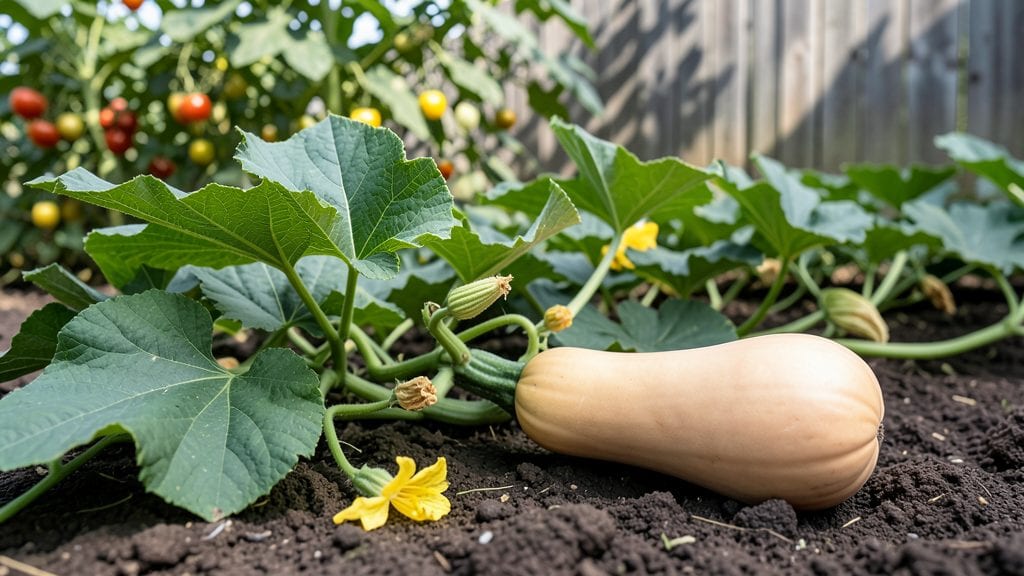
These seeds aren't just edible—they pack a nutritional punch with protein, healthy fats, and minerals like magnesium. 🌱 Think of them as nature's snack: roasted butternut squash seeds taste nutty and slightly sweet, similar to pumpkin seeds but with a softer texture.
The key is timing—remove seeds when the squash is fresh to avoid bitterness from oxidation, and save the fibrous pulp for compost or animal feed if you're not using it in recipes.
For seed removal, I recommend using a spoon to scoop out the cavity first, then a vegetable peeler to strip away the stringy membrane. This method keeps your hands clean and reduces waste.
If you're planning to roast the seeds, rinse them thoroughly and pat dry before seasoning with salt or smoked paprika for extra flavor.
💡 In This Article
- Butternut Squash Seed Anatomy and Edibility
- Removing Butternut Squash Seeds: Step-by-Step Guide
Butternut squash seed anatomy and edibility
The seeds inside a butternut squash grow in a flat, oblong shape—similar to pumpkin seeds but slightly softer and less dense. These seeds develop from the squash's flowers and are encased in a fibrous, stringy pulp that fills the cavity.
The seeds themselves measure about 1/4 to 1/2 inch long, with a pale beige color that turns slightly darker when dried. Their location in the center makes them easy to access once you cut into the squash, though they're often overlooked in favor of the sweet flesh.
Nutritionally, these seeds are a hidden gem—packing 10-12% protein by weight, which is comparable to pumpkin seeds but with a more delicate flavor. They also contain healthy fats (about 20-25% of their weight), including omega-3s and omega-6s, along with minerals like magnesium and zinc.
The texture when raw is slightly crunchy with a mild, earthy taste, while roasting enhances their nutty notes. 💫 Unlike pumpkin seeds, which have a harder shell, butternut squash seeds have a thinner, more tender exterior that cooks quickly at 325°F for 10-15 minutes.
One common myth is that these seeds are bitter or toxic—this stems from confusion with the stringy pulp surrounding them. The pulp itself contains compounds that can taste bitter if overcooked, but the seeds themselves are perfectly safe.
To avoid bitterness, always rinse fresh seeds thoroughly and roast them at a lower temperature (300°F) to prevent burning. The seeds' edibility is also why they're sometimes called "squash pepitas," though they lack the hard shell of true pepitas like those from pumpkin or gourds.
Comparing them to pumpkin seeds highlights their unique qualities: butternut squash seeds have a softer, almost papery texture when dried, while pumpkin seeds remain firmer. They also contain slightly more vitamin A (thanks to the squash's natural beta-carotene) and less phytic acid, making them easier to digest.
For a snack, try tossing them in 1 teaspoon of olive oil and 1/4 teaspoon of smoked paprika before roasting—they develop a caramelized crust that's irresistibly crunchy.
What most people don't realize is that the seeds' edibility extends beyond snacking. They can be ground into flour for baking, added to salads for a nutty crunch, or even blended into hummus for extra protein.
The key is proper preparation: removing them when the squash is fresh ensures they're at their most flavorful and avoids any potential for bitterness from oxidation. 🌱
If you're curious about growing butternut squash from seeds, note that these seeds have a 60-70% germination rate when planted in warm soil (70°F or higher). Their flat shape makes them easy to handle, though they require more space to sprout compared to round seeds.
For best results, soak them overnight before planting to soften the outer coating.