
Light Requirements
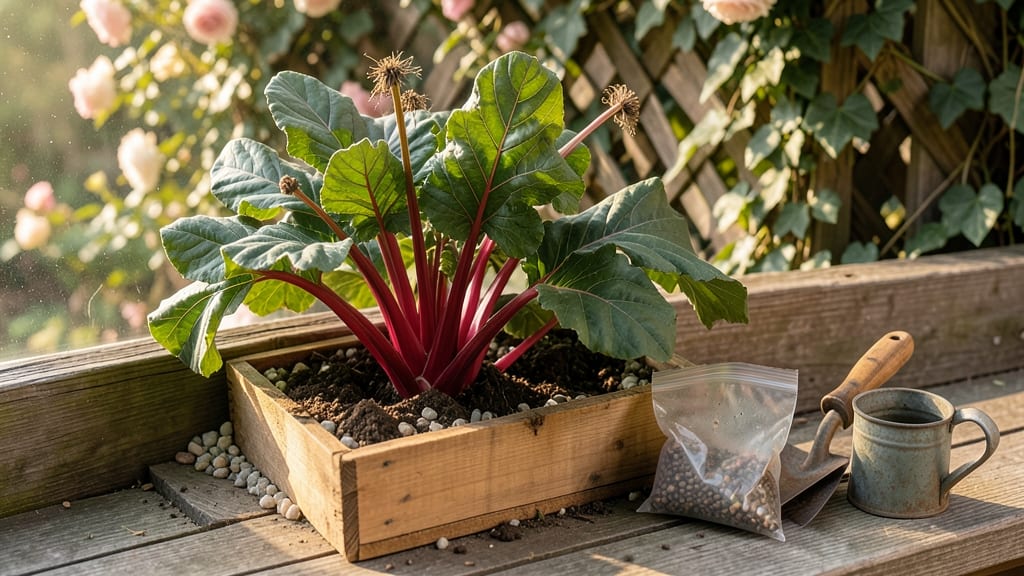
Rhubarb seeds absolutely need cold stratification to break their dormancy and germinate properly—without it, you’re likely staring at a 90% failure rate no matter how patient you are.
Struggling to germinate rhubarb seeds? You might be missing the critical step that separates success from failure—cold stratification. But how exactly does it work, and why does it matter for your garden?
If you’ve ever planted seeds in spring only to watch them sit stubbornly in the soil for months, you know the frustration.
Cold stratification mimics the natural winter chill that rhubarb seeds experience in USDA Zone 6a, tricking them into thinking it’s time to grow. This process isn’t just about patience—it’s about science, and skipping it means your 🌱 rhubarb seeds will stay dormant, wasting your time and space.
In this guide, I’ll walk you through the exact steps to stratify your seeds, alternative methods if you’re in a warmer climate, and why division might be the smarter move for most gardeners. Let’s get those seeds sprouting!
What is cold stratification and why it’s essential for rhubarb seed germination
If you’ve ever planted rhubarb seeds and watched them sit stubbornly in the soil without sprouting, you’re not alone. The issue? Most gardeners skip the cold stratification step—a natural process that mimics winter conditions to break seed dormancy.
For rhubarb (Rheum rhabarbarum), this step isn’t optional; it’s the difference between a 10% germination rate and a successful 80%+ yield. Without it, your seeds may never wake up from their slumber.
Cold stratification tricks seeds into believing winter has passed, signaling them to germinate when conditions are safe. Rhubarb seeds, like many temperate perennials, rely on this natural dormancy-breaking process. Their hard outer coats prevent premature sprouting in warm soil, but a cold period softens the shell and kickstarts metabolic activity.
For gardeners in USDA Zones 3-7, this means planning ahead—because rhubarb seeds won’t germinate reliably without it.
Here’s the science: During stratification, seeds absorb moisture and undergo enzymatic changes that prepare them for growth. Without this step, enzymes like amylase (which breaks down starches) remain inactive, leaving seeds unable to convert stored energy into sprouts.
Think of it like jump-starting a car battery—without the cold treatment, the seed’s internal "engine" won’t turn over.
The key to success lies in timing and technique. Rhubarb seeds need 60-90 days of cold, moist conditions to mimic a natural winter. This can be achieved in a refrigerator, buried outdoors, or even by planting in fall for a winter-long chill.
Skipping this step often leads to moldy seeds or seeds that rot before germinating—because they’re trying (and failing) to sprout too soon.
Why does rhubarb specifically need this? Unlike tropical plants that germinate quickly in warmth, rhubarb evolved in cold climates of Central Asia. Its seeds adapted to wait for spring after a long winter, ensuring survival in harsh conditions. When you bypass stratification, you’re essentially asking the seed to germinate out of season, which confuses its internal clock.
Let’s clarify a common misconception: Cold stratification isn’t freezing. It’s about maintaining a consistent 34-40°F (1-4°C) temperature with moisture—like a damp winter’s chill. Too cold (below 32°F/0°C), and seeds may freeze; too warm (above 50°F/10°C), and they’ll rot.
The goal is to simulate early spring, not replicate a blizzard.
For gardeners in warmer climates (Zones 8+), stratification is still critical but may require artificial methods like a seed fridge or peat moss cold treatment. Without it, seeds may germinate erratically or not at all.
Even in cooler zones, outdoor stratification must be timed carefully—planting seeds in late fall ensures they get the full winter chill before spring warmth triggers germination.
Here’s what happens when you skip stratification: Seeds either never sprout or produce weak, leggy seedlings that struggle to establish roots. The energy reserves in the seed aren’t properly activated, leading to poor vigor and higher susceptibility to disease.
In contrast, properly stratified rhubarb seeds emerge faster, stronger, and more uniformly—giving your garden a head start.
Now, let’s address the big question: Do rhubarb seeds need cold stratification? The answer is a resounding yes. While some seeds (like tomatoes) germinate without stratification, rhubarb is a perennial with deep dormancy.
Its seeds are hardwired to wait for cold, and bypassing this step is like trying to run a marathon without training. The results? Disappointing, to say the least.
To put it simply: Cold stratification is rhubarb’s germination insurance policy. It ensures your seeds don’t waste energy on failed attempts to grow too soon. With the right approach, you’ll see consistent, reliable germination—and healthier plants that reward you with bold stalks for years to come.
Ready to learn how to do it right? Let’s dive into the steps.
| Requirement | Specification | Notes |
|---|---|---|
| Cold Stratification Needed? | Yes | Essential for breaking dormancy; 80%+ germination vs. 10% without. |
| Ideal Temperature | 34-40°F (1-4°C) | Mimics early spring; avoid freezing (<32°F/0°C). |
| Duration | 60-90 days | Longer for deeper dormancy; adjust for climate. |
| Moisture Level | Damp (not soggy) | Use moist paper towels or peat moss; avoid waterlogging. |
| Best Method | Refrigerator or outdoor winter sowing | Refrigerator for control; outdoors for natural timing. |
| Germination Time After Stratification | 14-30 days | Faster in warm soil post-stratification. |