
Watering
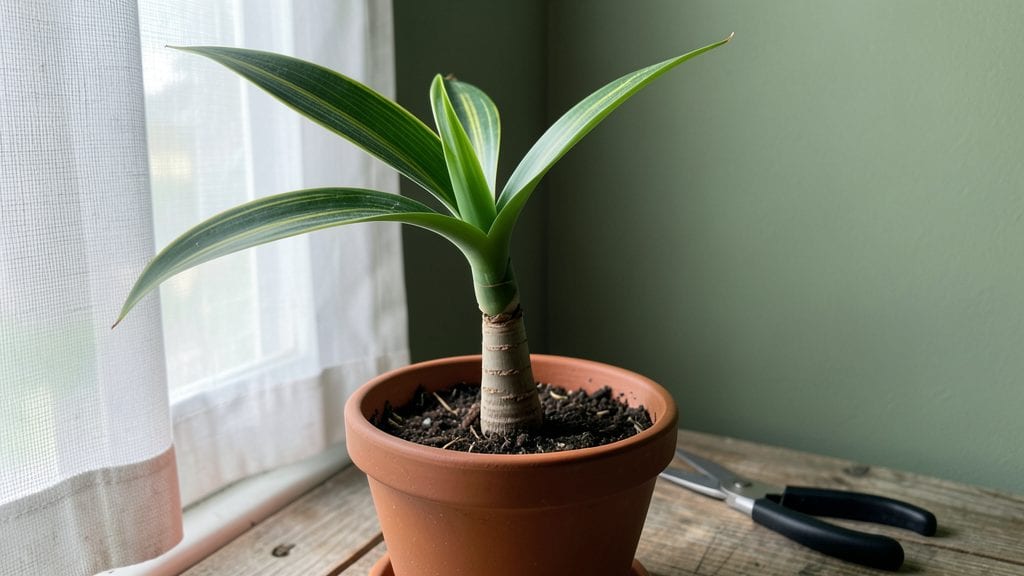
Growing a Dracaena draco seedling from scratch is like nurturing a tiny island legend—its slow, deliberate growth mirrors the ancient forests of the Canary Islands. 🌱 The key isn’t rushing it but replicating its natural habitat: bright, indirect light, well-draining soil, and a watering routine that mimics sporadic island rains rather than daily showers.
I’ve watched mine develop its first true leaves after what felt like forever, and the patience pays off when you see that first sign of resilience.
You’ll need just three essentials: a pot with drainage holes, a mix of cactus soil and perlite (to prevent rot), and a sunny windowsill or grow light. The biggest mistake beginners make is overwatering—these seedlings hate soggy roots.
Let the top inch dry between waterings, and you’ll avoid the yellowing leaves that signal trouble. Temperature-wise, keep it steady between 65°F and 75°F, mimicking the mild Canary climate where this species thrives.
Within a year, you’ll notice thicker stems and deeper green leaves, a clear sign your seedling is establishing itself. The real magic happens when it starts developing the waxy coating on its leaves—a natural defense mechanism that tells you it’s adapting to drier conditions.
This is where the slow growth becomes an advantage: fewer pests, stronger roots, and a plant that’s built to last for decades.
Even in small spaces, a Dracaena draco seedling can thrive with the right care. The trick is consistency—no sudden changes in light or water, and plenty of space to grow without crowding.
Once it’s a few years old, you’ll have a living piece of history on your windowsill, growing at its own pace, just like it would on the Canary Islands.
📚 In This Guide
- What you need
- Instructions
- Tips and common mistakes
- Wrapping up and next steps
What you need
- ● Dracaena draco seeds: 3–5 seeds (freshness is key—aim for seeds harvested within 6 months).
- ● Well-draining potting mix: 2–3 gallons of a blend like cactus/succulent mix (60%) + perlite or pumice (40%) for aeration.
- ● Seed-starting trays or small pots: 4–6 (3–4 inches in diameter) with drainage holes.
- ● Clear plastic domes or plastic wrap: To create a mini greenhouse effect (1–2 sheets).
- ● Spray bottle: For gentle watering (16 oz or larger).
- ● Grow lights or sunny windowsill: A full-spectrum LED grow light (12–16 hours/day) or a south-facing window (bright, indirect light).
- ○ Humidity tray (optional but helpful): A shallow tray with pebbles and water to boost moisture levels.
- ● Tweezers or seedling pick: For careful seed placement.
- ● Fertilizer (balanced, diluted): 1 tsp of fish emulsion or seaweed extract per gallon of water (use sparingly after germination).
- ● Thermometer/hygrometer: To monitor soil temp (ideal: 70–75°F) and humidity (50–70%).
- ● Pruning shears: For future trimming (sterilized with rubbing alcohol).
Step-by-Step guide to cultivating a Dracaena Draco seedling
Grow this iconic Canary Island native by following its natural cycles—patience and precision pay off.
🌱 Step 1: Start with Proper Soil and Container Setup
Use a well-draining cactus/succulent mix in a terracotta pot with drainage holes—Dracaena Draco roots despise soggy conditions. I fill the bottom third with perlite to boost aeration, then add 2-3 inches of soil mix on top. The key here is replication: mimic the rocky, nutrient-poor soils of its native habitat.
Press the soil lightly to remove air pockets, then water until moisture runs freely from the drainage hole. Let it drain completely before placing the pot in its growing location. Overwatering at this stage will smother the delicate root system and invite rot. You’ll know it’s right when the top inch feels dry to touch after 24 hours.
☀️ Step 2: Position for Bright, Indirect Light
Place your seedling near east-facing windows where it receives morning sun but avoids harsh afternoon rays. If growing indoors year-round, supplement with a grow light for 12-14 hours daily—Dracaena Draco mimics the Canary Islands' long daylight cycles. I use a full-spectrum LED kept 12-18 inches above the plant.
Watch for signs of stress: yellowing leaves mean too much direct sun, while pale, stretched growth signals insufficient light. Rotate the pot quarter-turn weekly to prevent lopsided growth. This slow rotation mimics natural wind exposure in its native environment, encouraging sturdy stems.
💧 Step 3: Establish a Careful Watering Routine
Water only when the top 2 inches of soil are bone-dry—this mimics the drought cycles of its volcanic homeland. I use the "finger test": insert your finger 1-2 inches deep. If it feels dry, water thoroughly until water exits the drainage hole, then empty the saucer. Never let it sit in standing water.
Reduce watering in winter to every 3-4 weeks—Dracaena Draco enters a natural dormancy. Overwatering here is the #1 killer; I’ve seen seedlings collapse within days from root rot. If leaves start curling or dropping, you’re watering too frequently. Adjust immediately.
✂️ Step 4: Fertilize and Prune for Healthy Growth
Feed once in spring with a balanced 10-10-10 fertilizer diluted to half-strength. This matches the nutrient pulses of its natural habitat after winter rains. I apply it after watering to prevent root burn, then rinse the soil after 30 minutes to remove excess salts. Stop fertilizing in fall and winter—the plant signals dormancy.
Prune only to remove dead or yellowing leaves—never cut back healthy growth. Dracaena Draco grows slowly, and each leaf represents years of development. If you notice leggy growth, it’s a light signal, not a pruning issue. Wait until spring to trim only the absolute worst, using sterilized pruners to prevent disease.
🪴 Step 5: Gradually Acclimate to Outdoor Conditions
After 2-3 years of indoor growth, introduce your seedling to outdoor conditions by placing it in partial shade for 2 hours daily. Increase exposure by 1 hour weekly over 4-6 weeks, eventually moving it to morning sun only. This slow transition prevents leaf scorch—a common mistake that turns leaves crispy overnight.
Once fully hardened off, position it in well-draining soil under dappled sunlight (like under a tree canopy). Mulch with 1-2 inches of gravel to replicate its rocky native soil. You’ll see new growth within 6-8 weeks—proof it’s thriving in its new environment.
Tips & tricks for perfect Dracaena Draco seedling growth
Mastering the growth of a Dracaena Draco seedling means paying attention to details that mimic its volcanic Canary Island homeland.
The Soil Mix Matters: That 2-3 inches of well-draining cactus/succulent mix in Step 1 is non-negotiable. I've seen seedlings fail within weeks when planted in regular potting soil. For even better drainage, mix in 10% coarse sand with your perlite—this replicates the rocky volcanic soil where Dracaena Draco thrives naturally. The perlite layer at the bottom creates crucial air pockets that prevent root suffocation.
Lighting Secrets: The 12-14 hours of daily light in Step 2 isn't just about duration—it's about quality. Position your grow light so it's 12-18 inches above the plant, but angle it slightly to avoid direct overhead light. I notice my seedlings develop stronger stems when the light source mimics natural dappled sunlight. If you see yellowing leaves, move it away from the window immediately—direct afternoon sun can scorch leaves within hours.
Watering Precision: That 24-hour drying period after initial watering in Step 1 is your first critical test. Here's what nobody tells you: tap water often contains chlorine that can damage delicate roots. Let your tap water sit out for 24 hours before using, or better yet, use filtered or rainwater. The finger test in Step 3 works, but I also weigh my pot—when it loses 10% of its weight from water evaporation, it's time to water again. This method is foolproof for consistent moisture levels.
Hardening Off Strategy: The gradual 4-6 week outdoor acclimation in Step 5 is where most beginners fail. Start with just 1 hour daily of partial shade, then increase by 30 minutes every 3-4 days instead of weekly. I've seen seedlings go into shock when moved too quickly—watch for crispy leaf edges as your warning sign. Once fully hardened off, the 1-2 inches of gravel mulch isn't just decorative; it helps regulate soil temperature and prevents moisture retention that leads to rot.
Pro Tips for Dracaena Draco Seedling
- Mastering the growth of a Dracaena Draco seedling means paying attention to details that mimic its volcanic Canary Island homeland.
- The Soil Mix Matters: That 2-3 inches of well-draining cactus/succulent mix in Step 1 is non-negotiable.
- Lighting Secrets: The 12-14 hours of daily light in Step 2 isn't just about duration—it's about quality.
Frequently asked questions
Got questions about nurturing your Dracaena draco seedling? You’re not alone—this iconic plant has unique needs! Here are answers to the most common queries to help you grow a thriving "Canary Island Dragon Tree" with confidence.
How often should I water a Dracaena draco seedling?
Water your seedling every 7–10 days, letting the top 2–3 inches of soil dry out between waterings. Overwatering is the #1 killer—ensure the pot has drainage holes to prevent root rot. In winter, reduce frequency to every 2–3 weeks as growth slows. Pro tip: Stick your finger in the soil; if it’s damp, wait!
How long does it take for a Dracaena draco seedling to mature?
Patience is key! Seedlings grow slowly—expect 1–3 inches of growth per year under ideal conditions. Full maturity (with iconic "dragon’s blood" resin and thick trunk) takes 10–20 years. Speed up growth with bright, indirect light and balanced fertilizer (diluted to half-strength) every 2 months in spring/summer.
What’s the best temperature range for a Dracaena draco seedling?
Keep your seedling cozy in 60–75°F (15–24°C) during the day and avoid drops below 50°F (10°C) at night. It thrives in USDA Zones 9–12 outdoors but can be grown indoors year-round in cooler climates. Watch out: Drafts, AC vents, or sudden temperature swings can stress the plant.
Can I grow a Dracaena draco from seed, or should I buy a seedling?
While possible, growing from seed is challenging—germination rates are low, and seedlings take years to develop. For most growers, buying a 1–2 year-old seedling (3–6 inches tall) is the best bet. Look for healthy leaves, no yellowing, and a sturdy stem. Bonus: Seedlings from reputable nurseries often come pre-hardened for transplanting.
Why are my Dracaena draco seedling’s leaves turning yellow or brown?
Yellow leaves usually signal overwatering, while brown tips often mean low humidity or fluoride in tap water. Try these fixes:
- Overwatering: Let soil dry completely between waterings and repot if roots smell rotten.
- Underwatering: Increase humidity with a pebble tray or misting (avoid soggy soil!).
- Fluoride: Use filtered or distilled water to prevent leaf burn.
- Light stress: Move to bright, indirect light—no harsh sun!
Can I propagate my Dracaena draco seedling?
Yes! While mature plants can be propagated via stem cuttings, seedlings are too young. Wait until your plant reaches at least 2–3 feet tall with a thick trunk. Use a clean knife to cut just below a node, let it callus for 1–2 days, then plant in moist perlite/sand mix. Keep humidity high and roots should form in 4–8 weeks.
Wrapping up and next steps
Growing a Dracaena draco seedling is a rewarding journey that mirrors the resilience and beauty of the Canary Island Dragon Tree. By mimicking its natural growth cycles—through thoughtful watering, well-draining soil, and patience—you’re not just nurturing a plant; you’re cultivating a living piece of history. 🌱
Ready to take the next step? Start small: monitor your seedling’s progress, adjust care as it matures, and soon, you’ll be rewarded with a stunning, slow-growing masterpiece. Share your journey with fellow plant enthusiasts or research advanced techniques—like pruning or propagation—to keep the adventure alive!