
Lawn
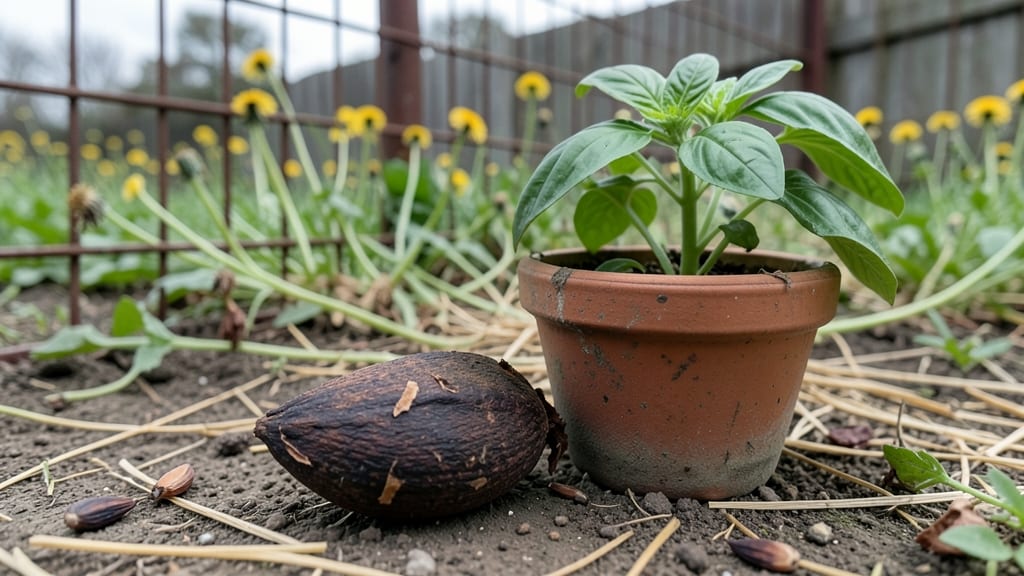
Growing a mango tree from dried mango seed feels like a gamble—but cold stratification turns that gamble into a reliable process. ✨ I’ve struggled with slow germination for years until I discovered how a simple fridge trick breaks the seed’s dormancy and gets those roots moving.
The payoff? A sturdy seedling that might one day bear fruit, even if it takes patience.
You’ll need just a few supplies: dried mango pits, a damp paper towel, a plastic bag, and a fridge. The key is mimicking winter’s chill to wake the seed, which can take 4–6 weeks of consistent moisture and darkness.
Most people rush this step and end up with seeds that never sprout—don’t skip it. Once stratified, planting is straightforward: a well-draining pot and bright, indirect light set the stage for your first true leaves.
Expect your seedling to grow slowly at first, but with steady care—watering when the top inch of soil dries and rotating for even light—you’ll see 6-inch growth in 3–4 months. The real test comes later: will it flower?
Will it fruit? That’s where grafting comes in for serious growers, but even a seedling is a thrilling start. Every leaf is a step toward that first tropical taste.
This method works best in warm climates, but even cooler zones can try it indoors. Just be ready for the long game—some trees take 5–10 years to bear fruit. The reward? A tree you nurtured from a single seed, standing tall against the sky. Let’s get those seeds sprouting.
📚 In This Guide
- What you need
- Instructions
- Tips and common mistakes
- Wrapping up and next steps
What you need
- ● Dried mango seeds: 3–5 fully dried, intact seeds (ensure they’re hard and free of cracks or mold).
- ● Peat moss or coconut coir: 1 small bag (1–2 quarts) for seedling pots or cold stratification.
- ● Small seedling pots: 3–5 biodegradable or plastic pots (3–4 inches in diameter).
- ● Plastic zip-top bags: 3–5 medium-sized bags (for humidity retention during germination).
- ● Spray bottle: For gentle watering (avoid over-saturation!).
- ● Refrigerator: A standard fridge (35–40°F) for cold stratification (4–6 weeks).
- ● Grow lights or sunny windowsill: A south-facing window or LED grow light (12+ hours/day post-stratification).
- ● Well-draining potting mix: 1 bag (5–10 quarts) for transplanting seedlings (mix peat moss, perlite, and compost).
- ● Seed scarification tool: Sandpaper (100–120 grit) to lightly scratch seed coats if germination stalls.
- ● Humidity dome: A clear plastic cover for pots to retain moisture.
- ● pH testing kit: To check soil pH (ideal: 6.0–7.5 for mango seedlings).
- ● Fertilizer (balanced, 10-10-10): Diluted to half-strength for young seedlings.
- ○ Heat mat (optional): For faster germination (70–75°F).
Step-by-step instructions for growing mango trees from dried seeds
Here's how to break the dormancy barrier and coax those stubborn seeds into strong, blooming trees.
🌱 Step 1: Prepare the Seeds for Cold Stratification
Remove the dried mango seed from its pit and clean off any remaining fruit flesh—this prevents mold. Place the seed in a small paper towel and moisten it just enough so the towel feels damp like a wrung-out sponge. I like to fold the towel around the seed and secure it with a rubber band to maintain consistent moisture.
Put the wrapped seed in a resealable plastic bag and place it in the refrigerator. The goal is 60-90 days of cold treatment at 35-45°F, which mimics winter conditions and breaks dormancy. Check weekly to ensure the towel stays moist but not soggy—rot will kill the seed before it germinates.
⏰ Step 2: Germinate the Seed After Stratification
After the cold period, remove the seed and plant it ½ inch deep in a small pot filled with the sterile seed-starting mix. Keep the pot in a warm, bright location where temperatures stay between 70-80°F. A seedling heat mat helps maintain warmth if your home runs cooler.
Mist the soil lightly every 2-3 days until you see the first signs of sprouting—tiny white roots pushing through the bottom of the pot. Germination can take 2-6 weeks, so patience is key. Once the shoot reaches 2 inches tall, it's ready to move to a larger container.
☀️ Step 3: Transplant and Provide Optimal Growing Conditions
Repot the seedling into a 6-inch container with well-draining potting mix. Mango trees need excellent drainage, so add 20% perlite to the mix to prevent root rot. Place the pot in a location with full sun exposure—at least 6-8 hours daily—and protect it from strong winds.
Water the seedling when the top inch of soil feels dry, but avoid soggy conditions. Overwatering is the fastest way to kill a young mango tree. You'll notice new leaves emerging within a few weeks—that's your signal everything is working. Fertilize lightly with a balanced 10-10-10 mix every 4-6 weeks during the growing season.
🌿 Step 4: Encourage Growth and Prepare for Outdoor Planting
When the seedling reaches 12-18 inches tall and has 4-5 sets of mature leaves, it's ready for outdoor acclimation. Start by placing it outside in a shaded area for 2-3 hours daily, gradually increasing exposure over 2 weeks. This process, called hardening off, helps the plant adjust to outdoor conditions.
Once fully hardened off, transplant the seedling into the ground in a warm climate or keep it in a large container if you live in a cooler zone. Mango trees thrive in USDA Zones 10-11, but with proper care, container-grown trees can produce fruit even in colder regions. Prune any leggy growth to encourage a bushier shape and stronger structure.
Tips & tricks for growing mango trees from dried seeds
These cold stratification secrets will help you bypass the biggest hurdle—breaking seed dormancy—so you can grow a thriving mango tree.
Cold Stratification Timing: The 60-90 days in the refrigerator is non-negotiable for mango seeds. I learned this the hard way after trying to rush the process—seeds need this full cold period to mimic winter conditions and trigger germination. Set a reminder so you don't forget to check weekly for moisture. If you start in late summer, you'll have perfect timing for spring planting.
Moisture Management: The damp paper towel technique works best when the towel stays consistently moist but not dripping wet. I use a spray bottle to add water only when the towel feels dry to the touch—about once a week. Too much moisture causes mold, while too little prevents the seed from absorbing enough water to break dormancy. The key is that "wrung-out sponge" feel.
Germination Environment: After stratification, maintain that 70-80°F range for germination. If your home runs cooler, a seedling heat mat under the pot makes all the difference. I've seen germination rates double when using this simple tool. Place the pot in the brightest spot you have—even a south-facing window works well. Just avoid direct sunlight at this stage, which can overheat the soil.
Transplanting Strategy: When your seedling reaches 2 inches tall, move it to a 6-inch container with that 20% perlite mix. The extra drainage is crucial—mango trees hate soggy roots. I like to use terracotta pots because they wick away excess moisture. After transplanting, give it a week to adjust before introducing full sun exposure. This gradual transition prevents transplant shock.
Pro Tips for Dried Mango Seed
- These cold stratification secrets will help you bypass the biggest hurdle—breaking seed dormancy—so you can grow a thriving mango tree.
- Cold Stratification Timing: The 60-90 days in the refrigerator is non-negotiable for mango seeds.
- Moisture Management: The damp paper towel technique works best when the towel stays consistently moist but not dripping wet.
Frequently asked questions
Got questions about growing dried mango seeds?
You’re not alone! Here are answers to the most common queries to help you succeed—no guesswork required.
Can I grow a mango tree from a dried seed?
Dried mango seeds can germinate, but they need cold stratification (mimicking winter) to break dormancy. Soak the seed in warm water for 24 hours first, then refrigerate it for 6–8 weeks before planting. Patience is key—germination can take months!
How long does it take for a dried mango seed to sprout?
Timing varies, but expect 3–12 months for germination. Factors like seed age, stratification method, and soil warmth play a role. Keep the soil moist but not soggy and monitor closely. A heat mat can speed things up if you’re eager for results!
Do I need to soak the seed before planting?
Yes! Soaking for 24–48 hours softens the hard outer shell, improving water absorption and germination rates. Use warm (not boiling) water and change it every 12 hours to prevent mold. Pro tip: Add a drop of hydrogen peroxide for extra sterilization!
What’s the best soil mix for mango seed germination?
Use a light, well-draining mix like 50% peat moss + 50% perlite or coconut coir. Avoid heavy garden soil—it traps moisture and risks rot. A small pot with drainage holes works best. Keep the soil warm (75–85°F) for optimal growth.
Why isn’t my dried mango seed sprouting?
Common culprits:
- Skipped stratification: Without cold treatment, seeds stay dormant.
- Poor moisture control: Too dry = no germination; too wet = mold.
- Old or damaged seeds: Test viability by scratching the seed—if it’s hard and intact, it’s worth trying again.
Wrapping up and next steps
Growing mango seeds from dried kernels is a rewarding journey that unlocks the potential for vibrant blooms and lush foliage—even in cooler climates! 🌱 With the right tools, patience, and a dash of cold stratification magic, you’re well on your way to nurturing a thriving mango tree.
Whether you’re a seasoned gardener or a curious beginner, every small step counts toward success.
Ready to take the next step? Start by planting your prepped seeds in well-draining soil and keep an eye out for those first tender sprouts. Share your progress with fellow plant enthusiasts—your green thumb might inspire others to try their hand at growing mangoes too! 🌟