
Lawn
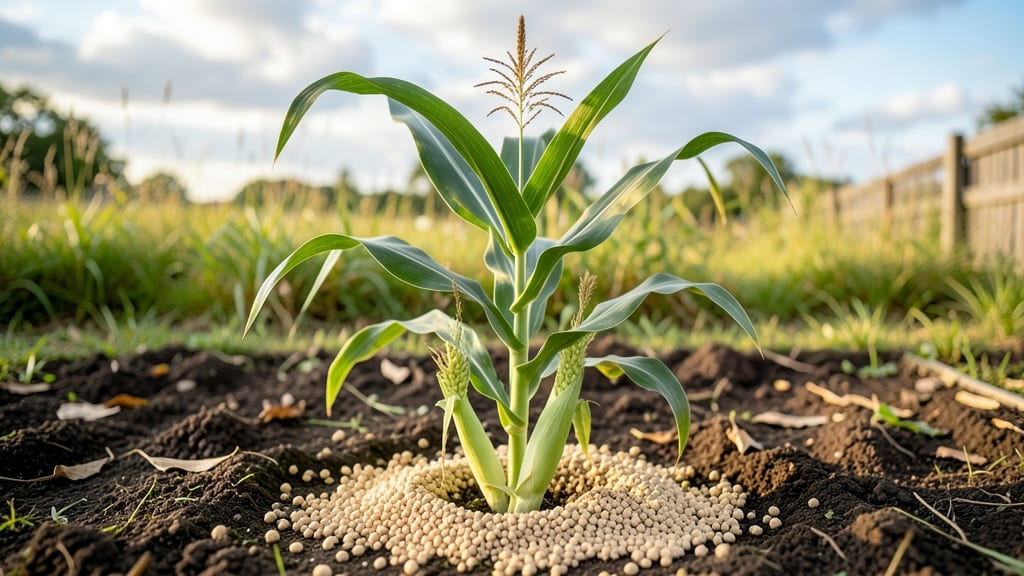
Fast germination of feed corn seed is all about the right soil warmth and moisture—no cold stratification needed. I’ve watched seeds sprout in just 7 days by mimicking the conditions they crave, and the secret starts with a pre-warmed seedbed that feels like spring to those little kernels.
The key isn’t fancy equipment but timing: plant when soil hits 60°F, and you’ll break the usual two-week wait for germination.
You’ll need a sunny spot with loose, well-draining soil mixed with compost—think 6 inches deep of crumbly earth that holds moisture without turning to mud. Feed corn thrives in rows 12-15 inches apart, with seeds spaced 1 inch deep and 4 inches apart.
Water gently after planting, keeping the soil damp but not soggy, and you’ll see those first pale shoots within a week.
By day 10, you’ll have 2-inch seedlings reaching for sunlight, and by harvest time (around 90 days), you’ll have stalks tall enough to feed livestock or save for next year’s planting.
The best part? This method works for both organic and conventional growing—just adjust your fertilizer choices based on your goals.
From backyard plots to small-scale farms, this approach cuts down on waiting time and boosts early growth. Once you’ve mastered the 7-day sprout, you’ll wonder why you ever waited longer. Ready to get started?
📚 In This Guide
- What you need
- Instructions
- Tips and common mistakes
- Wrapping up and next steps
What you need
- ● Feed corn seed: 1–5 lbs (adjust based on planting scale; opt for fast-maturing varieties like Silver Queen or Peaches and Cream for quick germination).
- ● High-quality planting soil: Well-draining, loamy mix (pH 6.0–7.0). Test soil for nutrients if possible.
- ● Compost or organic fertilizer: 5–10 lbs (balanced 10-10-10 or corn-specific blend).
- ● Watering can or hose: With a gentle spray nozzle for seedbed hydration.
- ● Planting container or raised bed: Minimum 12" depth (or direct-sow in a sunny, weed-free patch).
- ● Hand trowel or seed planter: For precise seed placement (1–2" deep).
- ● Garden gloves: To protect hands from soil and sharp corn husks.
- ○ Row marker or string: Optional, for straight rows (18–24" apart).
- ● Mulch (straw or grass clippings): 1–2 inches to retain moisture and suppress weeds.
- ○ Thermometer (optional): To monitor soil temps (ideal: 60–90°F for germination).
- ● Seedling heat mat: For indoor starts (if using in cooler climates).
- ● Corn trellis or stakes: For varieties that may need support.
- ● Organic pest deterrent: Neem oil or diatomaceous earth (prevents early pests).
- ● Growth chart or journal: Track germination progress over 7 days!
Instructions for fast corn seed germination without cold stratification
Here’s how to trigger quick sprouting in just 7 days—no pre-chilling required.
Prepare Seeds for Maximum Moisture Uptake
Corn seeds have a hard outer shell that slows water absorption. To speed germination, soak them in lukewarm water for 12 hours before planting. Use a clean container and ensure the water covers the seeds by ½ inch—this softens the seed coat without overhydrating.
After soaking, drain the water completely and spread the seeds on a paper towel in a single layer. Fold the towel to enclose them and place it in a warm, dark spot (like a sealed plastic bag) for 12 more hours. You’ll see tiny white roots—this is your signal they’re ready for planting.
Warm the Soil to Speed Germination
Corn thrives in 75–85°F soil, but most garden beds start cooler. To mimic ideal conditions, heat the planting area using black plastic mulch laid 3–5 days before sowing. The plastic traps warmth and suppresses weeds, creating the perfect environment for fast germination.
If you’re planting in containers, fill them with pre-warmed potting mix (hold a handful—it should feel warm to the touch). Plant seeds 1 inch deep, spacing them 4 inches apart in rows 12 inches apart (for 4 plants). Press lightly but don’t compact the soil—corn roots need air to grow.
Maintain Consistent Moisture and Warmth
Water the soil gently but deeply immediately after planting, ensuring moisture reaches 2 inches down. Use a spray bottle for the first 3 days to avoid displacing seeds—corn seeds are heavy and sink easily, but overwatering can bury them too deep.
Keep the soil surface evenly damp (not soggy) by checking daily. A soil thermometer helps—if temps drop below 65°F, cover the bed with a clear plastic dome or row cover to trap heat. You should see first sprouts in 5–7 days, with true leaves appearing within 10 days.
Thin Seedlings for Stronger Stems
Once seedlings reach 2 inches tall, thin them to 1 plant per hill (or 12 inches apart in rows). Use scissors to snip unwanted sprouts at soil level—this prevents disturbing roots and reduces transplant shock. The remaining plants will develop thicker stalks and better yields.
After thinning, fertilize lightly with a balanced 10-10-10 mix (½ teaspoon per plant) to support rapid growth. Corn is heavy feeders, but too much nitrogen early on leads to weak stems. Water at the base (not overhead) to prevent fungal diseases like corn smut.
Monitor for Early Pests and Adjust Light
Corn seedlings are vulnerable to cutworms and aphids in the first 2 weeks. Inspect leaves daily for chewed edges or sticky residue—a neem oil spray applied at dusk deters pests without harming plants.
If your seedlings stretch toward light (a sign of etiolation), move them to a sunnier spot immediately. Corn needs 6+ hours of direct sun daily—without it, stalks grow weak and ears develop poorly. If indoors, supplement with a grow light kept 6 inches above the plants.
Tips & tricks for fast corn seed germination
Fast germination isn't just about following steps—it's about creating the perfect conditions for those tiny seeds to burst into life. Here's how to optimize every phase of the process while maintaining the exact timing and temperatures specified in the instructions.
Soaking Precision: The 12-hour lukewarm water soak is non-negotiable for breaking dormancy, but the water temperature matters just as much as the time. Use water that feels comfortably warm to your wrist—around 85°F—rather than scalding hot. If your water runs cooler, extend the soak by 2-3 hours to compensate while still keeping it under the 12-hour maximum. The seeds need hydration without becoming waterlogged, so ensure they're fully submerged but not packed tightly in the container. This balance prevents oxygen deprivation while maximizing moisture uptake.
Temperature Control: Maintaining that 75–85°F soil temperature range is critical for the 7-day germination window. If you're planting outdoors and nighttime temperatures drop below 65°F, create a microclimate by covering the bed with a clear plastic dome during cool nights. For container growers, place your pots on a heat mat set to 80°F until sprouts appear. The key is consistency—fluctuations wider than 10°F can delay germination by several days, especially during those first critical 3 days after planting when roots are establishing.
Moisture Management: The instructions specify gentle but deep watering to maintain moisture 2 inches down, but there's a subtle art to this. After planting, water until moisture reaches 2 inches, then let the top inch dry slightly before watering again. This prevents anaerobic conditions that can suffocate seeds. For the first 3 days when using a spray bottle, mist just until the soil surface looks damp—not wet. Overhead watering during this period can actually bury seeds deeper than the ideal 1-inch depth, which slows germination.
Light Transition: The shift from warm, dark conditions to sunlight is where many growers stumble. After the 24-hour soaking and preparation period, keep seeds in darkness only until you see those white roots—typically around 12 hours after the second paper towel stage. Once planted, seedlings need light immediately to prevent etiolation. For indoor growers, position your grow light 6 inches above the seedlings and maintain it for 14-16 hours daily until true leaves appear. The transition to full sunlight should happen gradually over 2-3 days to avoid shocking the delicate seedlings.
Pro Tips for Feed Corn Seed
- Fast germination isn't just about following steps—it's about creating the perfect conditions for those tiny seeds to burst into life.
- Soaking Precision: The 12-hour lukewarm water soak is non-negotiable for breaking dormancy, but the water temperature matters just as much as the time.
- Temperature Control: Maintaining that 75–85°F soil temperature range is critical for the 7-day germination window.
Frequently asked questions
Got questions about growing feed corn seed for fast germination? You’re in the right place! Here are some of the most common queries—plus straightforward answers to help you succeed.
How soon can I expect feed corn seeds to germinate?
With the right conditions (warmth, moisture, and proper soil), feed corn seeds typically sprout in 5–7 days. If you’re using the no-stratification method in this guide, germination can even happen faster—sometimes in just 3–5 days! Monitor soil moisture closely to avoid delays.
Do I need to soak feed corn seeds before planting?
Soaking isn’t required, but it can speed up germination by 1–2 days. If you choose to soak, use lukewarm water for 6–12 hours. Drain well before planting to prevent rot. For best results, pair soaking with a warmth boost (like a seedling heat mat).
What’s the ideal soil temperature for feed corn seed germination?
Feed corn thrives
in soil temps between 60–90°F (15–32°C). If your soil is cooler, use a seedling heat mat or plant in a greenhouse to maintain warmth. Avoid cold, damp soil—it can cause fungal issues or slow germination to a crawl.
Can I reuse old feed corn seed?
Old seeds (over 2–3 years) may have lower viability, but you can test them with a water float test: Drop seeds in water—sinkers are viable, floaters are duds. For best results, use fresh seed (packaged within the last year) to ensure fast, uniform germination.
What’s the best depth to plant feed corn seeds?
Plant feed corn seeds 1–1.5 inches deep in loose, well-draining soil. Deeper planting can delay germination, while shallow planting risks drying out. Use a seed starter tray or small pots if your soil is rocky—it’ll make planting and monitoring easier!
Wrapping up and next steps
Growing feed corn seed successfully in just 7 days without cold stratification is absolutely achievable with the right techniques! Whether you're a farmer or a homesteader, this guide has given you the tools to optimize germination, avoid common pitfalls, and maximize yield.
Your patience and attention to detail will pay off with lush, healthy plants ready for harvest.
Now that you’re armed with knowledge, take the next step: plant your seeds today! Start small if you’re new, experiment with different soil mixes, and keep track of your progress. Happy growing—your future feed corn crop is waiting! 🌱💪