
Trees
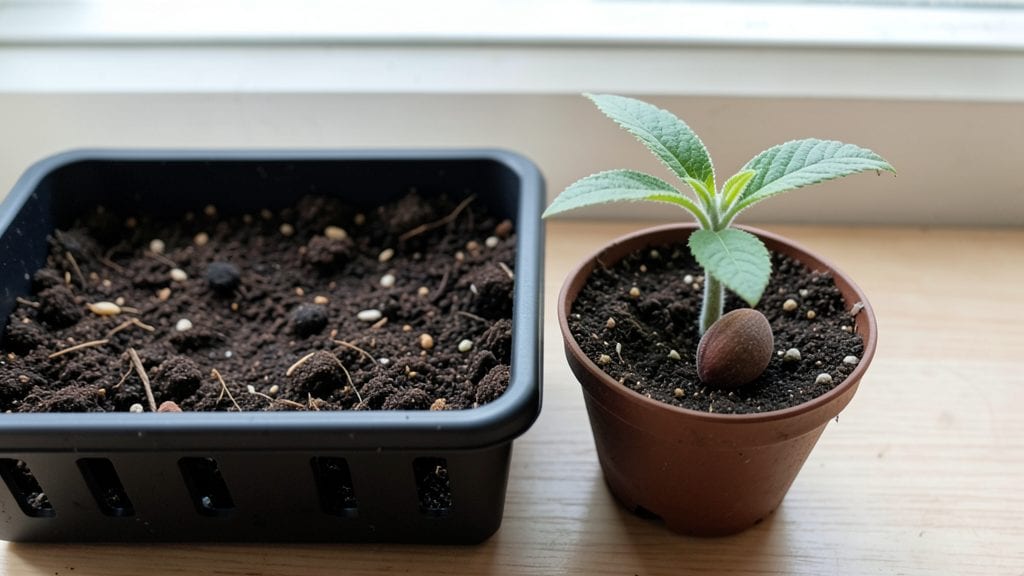
Growing fruit trees from seeds lets you start with varieties you can't buy—like heirloom apples or rare peaches—right from your kitchen counter. 🌱 I’ve grown over a dozen saplings from seeds, and the key to success isn’t luck; it’s understanding how each type behaves.
Some, like avocados, sprout in weeks, while others, like apples, need a cold trick to break dormancy before they’ll even think about growing.
The secret weapon here is stratification—the process of mimicking winter conditions to fool seeds into thinking they’ve survived the cold. For stone fruits, soak pits in water for 24 hours, then plant them in moist sand or peat moss and refrigerate for 6–8 weeks.
Citrus seeds? Skip the cold treatment—they’re tropical and need warmth right away. You’ll need a sunny windowsill, patience, and a spray bottle to keep things damp without drowning roots.
By the time those first leaves unfurl—usually in 3–12 weeks, depending on the seed—you’ll have a tiny, fragile tree that needs tender care. Prune back leggy growth early to encourage bushiness, and move seedlings outdoors only after hardening them off for 10–14 days.
The payoff? A tree that’s genetically yours, with roots (literally) in your own soil.
Works for apples, peaches, plums, and even citrus—though some, like avocados, grow faster and fruit sooner than others. Here’s how to pick the right seeds, trick them into germinating, and give your saplings the best shot at becoming fruit-bearing giants.
📚 In This Guide
- What you need
- Instructions
- Tips and common mistakes
- Wrapping up and next steps
What you need
- ● Fruit tree seeds: Fresh, viable seeds from organic or heirloom fruit (avoid hybrid fruits like seedless varieties). Aim for 10–20 seeds per tree type to account for germination variability.
- ● Seed-starting mix: A lightweight, sterile seedling blend (e.g., 50% peat moss, 30% perlite, 20% vermiculite) or a pre-mixed cactus/succulent mix for faster drainage. 1–2 gallons per batch.
- ● Containers: Biodegradable pots (e.g., peat or coconut coir) or small plastic cell trays (3–4 inches deep).
- ● 1–2 containers per seed (overcrowding = rot risk!).
- ● Spray bottle: For gentle watering (avoid overhead streams).
- ● Plastic wrap or humidity dome: To retain moisture during germination.
- ● Grow lights or sunny windowsill: A south-facing window or LED grow light (12–16 hrs/day) for consistent warmth.
- ○ Heating mat (optional but helpful): A seedling heat mat (70–85°F) to speed up germination for slow starters like avocado or citrus.
- ● pH meter or test kit: To ensure your soil is slightly acidic (pH 6.0–6.8)—critical for seedling health.
- ● Patience: Some seeds (like apple or peach) can take 2–6 weeks to sprout!
- ● Consistency: Maintain moist (not soggy) soil and warmth (70–80°F).
- ● Space planning: Saplings will need transplanting into 5-gallon pots or ground once they’re 6+ inches tall.
- ● Research: Know your hardiness zone—some tropical seeds (e.g., mango) won’t thrive outdoors in cold climates.
Step-by-Step instructions for growing fruit trees from seeds
Here’s how to turn seeds into sturdy saplings year-round, with tricks to boost germination and avoid common pitfalls.
🌱 Step 1: Stratify Seeds for Better Germination
Most fruit tree seeds need a cold period to break dormancy. Place seeds in a damp paper towel, fold them into a small bundle, and seal in a plastic bag. Store in the refrigerator for 6-12 weeks—this mimics winter conditions and triggers sprouting. Check weekly; if the towel dries, mist it lightly.
I know it seems counterintuitive to delay planting, but this step dramatically improves success rates. Without stratification, seeds may take months to sprout—or never germinate at all. After the cold treatment, you’ll see tiny roots emerging within 1-2 weeks when you remove them from the fridge.
💧 Step 2: Plant Stratified Seeds in Moist Potting Mix
Fill small pots (3-4 inches deep) with the 4 gallons of potting mix, leaving ½ inch of space at the top. Plant seeds ½ inch deep, spacing them 1 inch apart—this prevents overcrowding as they grow. Gently pat the soil around them to secure without compacting.
Water lightly until the mix feels damp but not soggy. A spray bottle works best to avoid displacing seeds. Place pots in a warm spot (65-75°F) with indirect light. You’ll notice sprouts in 2-4 weeks, but some varieties (like apple or peach) may take longer—don’t rush it.
☀️ Step 3: Provide Bright, Indirect Light for Seedlings
Once sprouts appear, move pots to a south-facing window or under a grow light for 12-14 hours daily. Seedlings need strong light to prevent leggy growth, but direct sun can scorch tender leaves. If using a grow light, keep it 4-6 inches above the plants and adjust as they grow.
Watch for first true leaves (not the initial seed leaves)—this signals healthy development. If leaves look pale or stems stretch too tall, your light source isn’t intense enough. Rotate pots weekly so seedlings grow straight, not lopsided.
⏰ Step 4: Transplant to Larger Containers When Ready
After 4-6 weeks, when seedlings have 3-4 sets of leaves, move them to 5-gallon containers filled with fresh potting mix. Gently loosen roots with your fingers before transferring to avoid damaging them. Water thoroughly after transplanting to settle the soil.
This step prevents root-bound stress. Keep seedlings in containers for 1-2 years before planting outdoors, as fruit trees grow slowly from seed. Overwinter them indoors if temperatures drop below 40°F, using a sunny windowsill or grow light.
🌿 Step 5: Harden Off and Plant Outdoors
Two weeks before the last frost, gradually acclimate seedlings to outdoor conditions. Start with 1 hour of shade on the first day, increasing time and sun exposure over 10-14 days. This process, called hardening off, strengthens stems and leaves for transplant shock.
Plant saplings in full sun with well-draining soil, spacing them 10-15 feet apart. Mulch around the base to retain moisture and suppress weeds. Fruit trees grown from seed may take 5-10 years to bear fruit, but patience pays off with unique, disease-resistant varieties.
Tips & tricks for perfect fruit tree seedlings
Growing fruit trees from seeds rewards patience—but these tricks will help you skip the common pitfalls and get stronger saplings faster. Let me share what I've learned after years of trial and error with my own fruit tree journey.
The Cold Treatment Trick: For Step 1, don't skip the 6-12 week cold stratification—it's the secret weapon for breaking seed dormancy. I've tried planting without it, and seeds either took forever to sprout or never germinated at all. Place a small dish of water under your sealed seed bag in the fridge to maintain humidity without over-wetting. The key is keeping that paper towel consistently damp but not soggy during those weeks.
Lighting Secrets for Healthy Growth: In Step 3, when you move seedlings to 12-14 hours of light, pay attention to the quality of that light. I've learned that fluorescent grow lights work better than incandescent bulbs for seedlings—they provide the right spectrum without overheating. If using natural light, rotate your pots weekly so all sides get even exposure. You'll notice seedlings grow straighter and develop stronger stems when they receive balanced light from all directions.
Transplanting Timing: The 4-6 week mark in Step 4 is perfect for moving seedlings to larger containers, but don't rush this step. Wait until you see those 3-4 sets of true leaves—this shows the roots have developed enough to handle the move. When transplanting, make sure to loosen the root ball gently with your fingers before placing in the new container. This prevents root damage and gives your seedlings a better chance to establish in their new home.
Harden Off Gradually: For Step 5, the 10-14 day hardening process is crucial—don't skip it! Start with just 1 hour of shade on the first day, then gradually increase exposure. I've seen seedlings get shocked and wilt when moved directly to full sun. If your area has unpredictable weather, consider using shade cloths during the hardening process for extra protection. Remember, the goal is to strengthen the seedlings' ability to handle outdoor conditions before planting.
Pro Tips for Fruit Trees Seeds
- Growing fruit trees from seeds rewards patience—but these tricks will help you skip the common pitfalls and get stronger saplings faster.
- The Cold Treatment Trick: For Step 1, don't skip the 6-12 week cold stratification—it's the secret weapon for breaking seed dormancy.
- Lighting Secrets for Healthy Growth: In Step 3, when you move seedlings to 12-14 hours of light, pay attention to the quality of that light.
Frequently asked questions
Got questions about growing fruit trees from seeds? You’re not alone—this process can feel tricky at first! Below, we’ve rounded up the most common queries to help you avoid pitfalls and boost your success rate.
How long does it take for fruit tree seeds to germinate?
Germination time varies by species, but most fruit tree seeds take 2 to 8 weeks to sprout. Stone fruits (like peaches or cherries) often germinate faster (2–4 weeks), while citrus or avocado seeds may take longer (6–12 weeks). Patience is key—keep the soil moist and warm (70–85°F) to speed things up!
Can I plant fruit tree seeds outdoors right away?
Nope! Start seeds indoors 6–12 weeks before your last frost date in a warm, humid environment (like a seedling tray with a heat mat). Young saplings are delicate—hardening them off gradually before transplanting outdoors prevents shock. Skip this step, and you risk stunted growth or failure.
Why aren’t my seeds sprouting? Troubleshooting tips?
Seeds may fail to germinate due to dormancy, improper moisture, or old seeds. Try these fixes:
- Stratification: Cold-moisten seeds (e.g., apples) in the fridge for 4–8 weeks to break dormancy.
- Scarification: Lightly sand or nick hard seed coats (like avocados) to help water penetrate.
- Freshness: Store-bought seeds are often treated to prevent germination—source seeds from fresh, organic fruit instead.
Will seeds from store-bought fruit actually grow into true fruit trees?
Probably not! Store-bought fruit is bred for uniformity and shelf life, not reproduction. Seeds may grow, but the resulting tree could produce smaller, tasteless, or inedible fruit. For reliable fruit trees, source seeds from heirloom varieties or grafted trees from nurseries.
What’s the best soil mix for germinating fruit tree seeds?
Use a light, well-draining mix like:
- 50% peat moss or coco coir (for moisture retention)
- 30% perlite or vermiculite (for aeration)
- 20% sand or compost (for nutrients)
Sterilize the mix first to prevent mold. Avoid heavy garden soil—it compacts and suffocates tiny roots!
Wrapping up and next steps
Growing fruit trees from seeds is a rewarding journey filled with patience, curiosity, and the joy of nurturing life from scratch! 🌱 Whether you’re drawn by the challenge of year-round germination or the dream of harvesting your own homegrown fruit, remember that every expert gardener started with a single seed.
Your next logical step? Start small—pick a seed, gather your supplies, and dive in with confidence. Before you know it, you’ll be tending to a thriving sapling, and maybe even sharing your harvest with neighbors or friends. Happy growing!