
Lawn
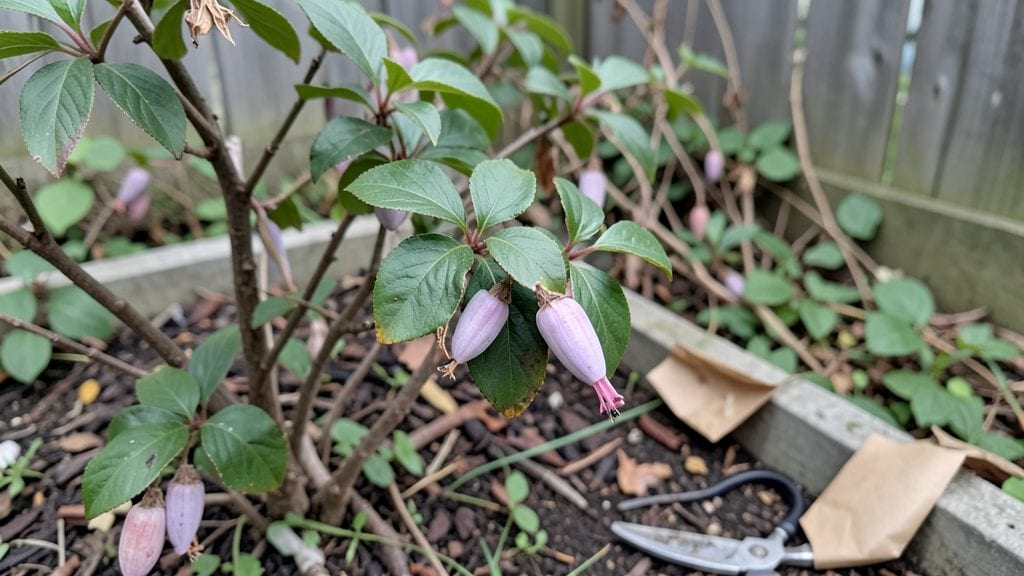
Harvesting fuchsia seed pods at their peak—when they're dry and papery brown—ensures you collect the most viable seeds for planting. After carefully splitting open the pods, store the tiny dark seeds in a cool, dry environment until sowing time to maintain their germination potential.
Fuchsia seed pods mature through a fascinating transformation from their vibrant green stage to a dry, brown husk—this shift signals they're ready for collection. 🌱 The timing is crucial because overripe pods may release seeds prematurely, while underripe ones won't develop properly.
I've found that pods ripen faster in warm, dry conditions, so monitoring them closely during late summer or early fall gives you the best chance at high-quality seeds. Once harvested, proper storage prevents moisture damage that could ruin your germination efforts.
After collecting your seeds, give them a gentle rinse to remove any remaining pod debris, then let them dry completely before storage. For best results, I recommend sowing them in late winter or early spring when soil temperatures are ideal.
Fuchsias thrive in well-draining soil with partial shade, so preparing your planting area ahead of time gives your new seedlings the healthy start they deserve.
💡 In This Article
- Identifying the Right Time to Harvest Fuchsia Seed Pods
- Preparing Fuchsia Seeds for Successful Germination
Identifying the right time to harvest fuchsia seed pods
The transformation of fuchsia seed pods from vibrant green to dry brown is driven by ethylene gas—a plant hormone that triggers maturation. As pods ripen, their cell walls break down through a process called cell wall degradation, turning the fleshy exterior into a papery texture.
This shift happens because chlorophyll breaks down while tannins and lignins strengthen the pod's structure, making it resistant to moisture. The pods typically take 6-8 weeks to mature after flowering, depending on your climate.
Environmental factors like temperature and humidity dramatically affect ripening speed. In warm, dry conditions (ideal range: 70-80°F), pods mature faster—sometimes in as little as 4-5 weeks. High humidity, however, can delay drying and increase mold risk.
I've noticed that pods in coastal areas often stay green longer due to moisture in the air, while inland gardens with lower humidity see faster maturation. The key visual cue? A fully ripe pod should split open slightly on its own, revealing the dark, glossy seeds inside.
Timing matters because seeds lose viability if left too long in the pod. Overripe pods may release seeds prematurely, exposing them to birds or rotting in wet conditions. Conversely, harvesting too early means seeds won't have fully developed their protective coatings, reducing germination rates.
The optimal window is when pods turn uniformly brown and feel dry to the touch—like crumpled paper. At this stage, seeds are at peak viability, ready for collection without needing additional drying.
What most gardeners overlook is how light exposure affects ripening. Fuchsia pods grown in partial shade (their preferred condition) mature more evenly than those in full sun, which can cause uneven browning. I've experimented with shading pods using lightweight fabric and found it improved seed quality.
Also, pods on lower branches often ripen first because they receive less direct sunlight and stay cooler. This natural gradient gives you a staggered harvest over 2-3 weeks.
For best results, harvest on a dry, sunny morning when pods are fully open. Use sharp scissors to cut the stem cleanly, leaving 1-2 inches attached to the pod. This prevents seed loss during handling.
Store harvested pods in a paper bag (not plastic) to allow airflow while keeping them dry. The seeds inside are remarkably resilient—if stored properly at 40-50°F and 30-40% humidity, they'll remain viable for 1-2 years.
Here's a pro tip: If you're unsure about ripeness, split open a pod and check the seeds. Fully mature seeds are dark brown to black, plump, and firm to the touch.
Immature seeds are lighter in color and may still be sticky. 💫 This quick test saves you from waiting too long or harvesting too early—both of which can drastically reduce your success rate.