
Flowers
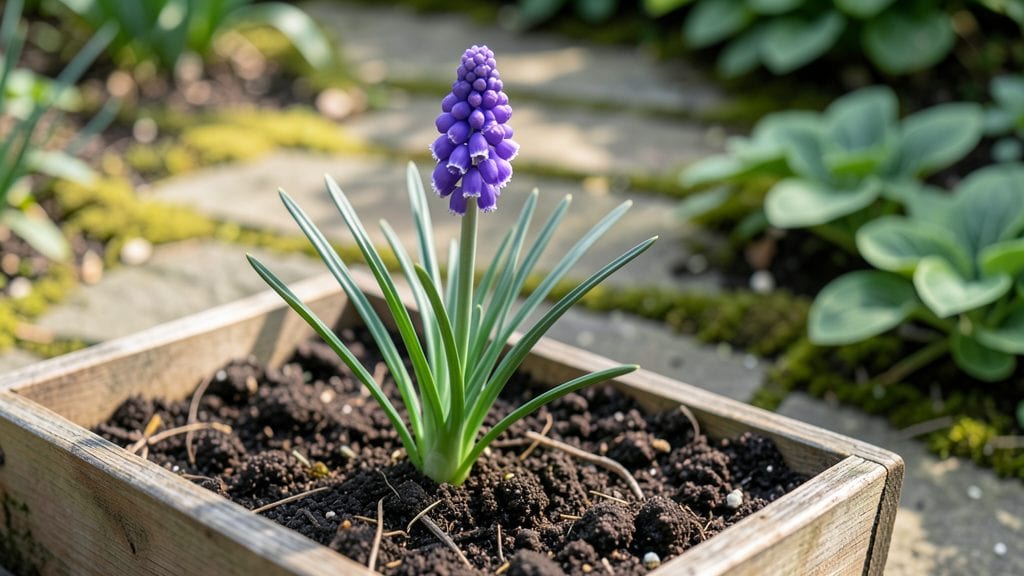
Cold-stratifying grape hyacinth seedlings unlocks those stunning purple blooms you’ve been dreaming of. 💚 I’ve learned the hard way that skipping this step means waiting years for flowers—or giving up entirely. The secret lies in mimicking winter’s chill, which breaks dormancy and jumpstarts growth.
You’ll need grape hyacinth seeds, a damp paper towel, a sealed plastic bag, and a refrigerator. The process takes about 6-8 weeks of cold treatment before planting, but it’s worth every minute. Most beginners rush this step, and that’s when germination stalls or fails completely.
Once stratified, those tiny seeds transform into vibrant green shoots within 2-4 weeks after planting. The foliage stays lush and the blooms arrive reliably, turning your garden into a springtime carpet of color. Just avoid overwatering—these little plants hate soggy soil.
Perfect for rock gardens, borders, or even container pots. With this method, you’ll see results even in cooler climates where grape hyacinths might otherwise struggle. Let’s get those seeds ready to bloom!
📚 In This Guide
- What you need
- Instructions
- Tips and common mistakes
- Wrapping up and next steps
What you need
- ● Grape hyacinth seeds: 10–20 fresh, high-quality seeds (check for plumpness and viability).
- ● Cold stratification setup: 1 small plastic bag (resealable, quart-sized) or a paper towel
- ● 1–2 ice cube trays or a shallow container (for moisture control)
- ● Moistened peat moss or coco coir (2–3 cups)
- ● Growing medium: Seed-starting mix (1–2 quarts) or a 50/50 blend of potting soil + perlite.
- ● Containers: 2–3 small pots (3–4 inches deep) with drainage holes or a seed tray.
- ● Spray bottle (for gentle moisture application).
- ● Small hand trowel (for transplanting seedlings).
- ○ Thermometer (optional but helpful for monitoring fridge temps: 34–41°F).
- ● Plastic wrap (to retain humidity during stratification).
- ● Grow lights or sunny windowsill (for post-stratification growth).
- ● 🌡️ Cold storage: Access to a fridge (or unheated garage) for 6–8 weeks of stratification.
- ● 🌱 Patience: Germination can take 4–12 weeks after stratification.
- ● 💡 Light awareness: Grape hyacinths thrive in partial shade (4–6 hours of sun/day).
Step-by-step instructions for cold stratifying grape hyacinth seedlings
Here's how to break dormancy and guarantee vibrant blooms next spring—without the guesswork.
🌱 Step 1: Collect and Prepare Fresh Seeds
Harvest seeds from ripe grape hyacinth pods when they turn brown and split open naturally. I like to collect them in late summer after the flowers have faded—this ensures maximum viability. Spread the seeds on a paper towel to dry for 24 hours at room temperature. This step prevents mold while preserving moisture content for stratification.
Once dry, store seeds in a sealed container with a desiccant packet (like silica gel) to maintain low humidity. Label the container with the date and variety if you're growing multiple types. Real talk: Fresh seeds germinate best, so use them within 2 months of collection for optimal results.
⏰ Step 2: Stratify Seeds in Moistened Media
Mix equal parts peat moss and perlite in a shallow container to create a well-draining stratification medium. Moisten it until damp but not soggy—think of a wrung-out sponge. Place the seeds ½ inch deep in the mix, spacing them 1 inch apart to prevent crowding during germination.
Cover the container with plastic wrap and poke small holes for airflow. Store it in your refrigerator's crisper drawer where temperatures hover around 35-45°F. This cold treatment mimics winter conditions and breaks dormancy. Check moisture weekly—never let it dry out completely during stratification.
☀️ Step 3: Transition to Germination Conditions
After 8-12 weeks of cold stratification (when you see the first signs of swelling seeds), move the container to a warm, bright location. I use a seedling heat mat set to 65-70°F for consistent warmth. Place it under a grow light or in a south-facing window where it receives 8+ hours of indirect light daily.
Remove the plastic wrap and keep the medium consistently moist by misting lightly every 2-3 days. You'll notice tiny green shoots emerge within 2-4 weeks—this is your cue to monitor closely. The moment seedlings reach 1 inch tall, transplant them into individual pots with well-draining soil.
🌿 Step 4: Nurture Seedlings to Transplant Stage
Once seedlings develop 2-3 true leaves (not just the initial seed leaves), they're ready for their own 3-inch pots. Use a mix of 50% potting soil and 50% perlite to prevent root rot. Water gently after transplanting to settle the soil without disturbing delicate roots.
Keep seedlings in bright, indirect light until they're 3-4 inches tall and have developed a sturdy root system. This typically takes 6-8 weeks after germination. Harden them off by placing outdoors in partial shade for 2 hours daily over 1 week before their permanent garden home.
Tips & tricks for perfect grape hyacinth seedling stratification
Cold stratification might seem like a waiting game, but these key strategies will help you maximize success with grape hyacinth seeds—without sacrificing patience for results.
Seed Collection Timing: Harvest seeds only when pods turn completely brown and begin splitting open naturally. I've learned the hard way that premature harvesting leads to lower viability—wait until pods are fully mature. After collection, that 24-hour drying period is crucial: it prevents mold while maintaining the perfect moisture balance for stratification. Use a paper towel in a single layer to avoid clumping.
Stratification Medium Secrets: The 50/50 peat moss and perlite mix creates ideal drainage while retaining just enough moisture. To test consistency, squeeze a handful—it should feel like a wrung-out sponge. I've found that adding a thin layer of vermiculite on top helps retain moisture better during the 8-12 week cold period. Never let it dry out completely, but avoid soggy conditions that can cause rot.
Temperature Consistency: Your refrigerator's crisper drawer should maintain 35-45°F consistently. I place a thermometer inside to monitor—some fridges have hot spots. If your home is particularly dry, add a small dish of water to the container to maintain humidity. The key is mimicking natural winter conditions where these Mediterranean natives would experience gradual temperature changes.
Transition Timing: When you notice the first signs of swelling seeds after 8-12 weeks, that's your cue to move to warmer conditions. I've seen seeds that were ready to germinate but got moved too early—resulting in weak seedlings. Wait until you see visible swelling before making the transition to 65-70°F warmth. This gradual shift prevents shock and gives you the best germination rates.
Pro Tips for Grape Hyacinth Seedling
- Cold stratification might seem like a waiting game, but these key strategies will help you maximize success with grape hyacinth seeds—without sacrificing patience for results.
- Seed Collection Timing: Harvest seeds only when pods turn completely brown and begin splitting open naturally.
- Stratification Medium Secrets: The 50/50 peat moss and perlite mix creates ideal drainage while retaining just enough moisture.
Frequently asked questions
Got questions about nurturing your grape hyacinth seedlings? You’re not alone! Here are some of the most common concerns—and their straightforward solutions—to help your tiny bloomers thrive.
How long does cold stratification take for grape hyacinth seedlings?
Cold stratification typically lasts 6 to 12 weeks in the fridge (34–40°F). For best results, place moistened seeds in a sealed bag with damp peat moss or paper towels. Patience pays off—this mimics winter’s chill, breaking dormancy for vibrant spring blooms! Pro tip: Check seeds weekly for mold or drying.
Can I skip cold stratification for faster blooms?
While possible, skipping stratification risks weak or sparse blooms. Without it, seeds may germinate erratically or produce fewer flowers. If you’re impatient, try a short 4-week cold period—just don’t expect the same reliability as full stratification. Alternative: Buy pre-stratified seeds from nurseries!
What’s the best way to water grape hyacinth seedlings after germination?
Keep soil consistently moist but not soggy—think “damp sponge,” not swamp. Water at the base (avoid wetting leaves) to prevent fungal issues. Once sprouted, reduce frequency slightly but ensure roots stay hydrated. Overwatering = root rot, so let the top inch dry between waterings.
Why aren’t my grape hyacinth seedlings blooming?
Common culprits:
- Insufficient light: Move seedlings to bright, indirect light (6+ hours/day).
- Nutrient deficiency: Fertilize lightly with balanced 10-10-10 once leaves appear.
- Overcrowding: Thin seedlings to 2–3 inches apart for airflow and growth.
- Stress from transplant shock: Wait until roots fill the pot before repotting.
Can I grow grape hyacinth from store-bought flowers?
Yes! Save seeds from healthy, open flowers (let them dry on the plant first). However, hybrid varieties may not reproduce true to type. For guaranteed results, opt for named cultivars or seeds from specialty growers. Fun fact: Grape hyacinths self-seed easily—just let nature do the work!
Wrapping up and next steps
Growing grape hyacinth seedlings with confidence starts with mastering the cold stratification timeline—a simple yet powerful technique to unlock vibrant blooms. By following the right steps, you’ll ensure strong roots and stunning flowers, proving that patience and preparation pay off in the garden. 🌱
Ready to take the next step? Plant your stratified seedlings in well-draining soil, keep them in a bright spot, and watch your garden transform! For extra success, share your progress with fellow gardeners—inspiration grows together. 🌸