
Vegetables
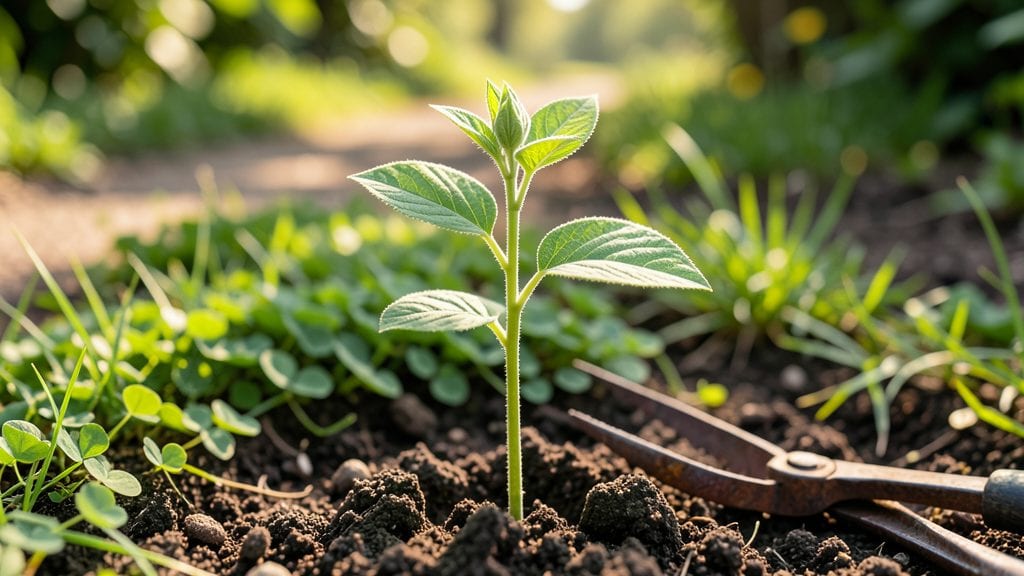
Cold-stressed green bean seedlings turn into bushy, productive plants when you handle the roots right from day one. 🌱 I learned the hard way that weak starts mean weak harvests—my first batch flopped because I ignored the soil temperature and spacing.
Now my seedlings grow strong enough to handle transplanting in just six weeks.
The secret lies in warm soil, proper depth, and consistent moisture. You’ll need a sunny spot with well-draining soil, seeds planted 1 inch deep and 3-4 inches apart, and a gentle watering routine that keeps the soil damp but never soggy.
Most beginners overwater, which leads to damping-off—a fungal nightmare that kills seedlings overnight.
By week 3, you’ll see those first true leaves unfurl, and by week 6, your seedlings will be sturdy enough to handle cooler nights. The payoff? A garden packed with tender pods instead of leggy, struggling plants.
This method works for both bush and pole varieties, so you can grow however you like.
Fair warning: If your seedlings look pale or wilt easily, they’re not ready for transplanting. Harden them off first by moving them outside for a few hours each day. Trust me, the extra week of prep saves your harvest later.
📚 In This Guide
- What you need
- Instructions
- Tips and common mistakes
- Wrapping up and next steps
What you need
- ● Green bean seeds: Choose cold-tolerant varieties like Kentucky Wonder or Blue Lake (1–2 oz per 10 sq ft).
- ● Seed-starting mix: 1–2 gallons of sterile, well-draining potting soil (avoid garden soil—it’s too dense!).
- ● Containers: 3–4 inch biodegradable pots (or recycled yogurt cups!) for seedlings, or a seed tray with cell inserts.
- ● Watering can or spray bottle: Gentle watering prevents seedling stress.
- ● Grow lights or sunny windowsill: 12–16 hours of light daily (LED grow lights work great!).
- ○ Optional: Heat mat (55–65°F) to speed germination in cold climates.
- ○ Optional: Fertilizer (balanced 10-10-10 or compost tea) for nutrient boost after sprouting.
- ○ Optional: Plastic wrap or humidity dome to retain moisture (remove once sprouts appear!).
Step-by-Step instructions for growing cold-stressed green bean seedlings
Here's how to grow sturdy green bean seedlings that thrive in cooler soil—no more leggy, weak plants.
🌱 Step 1: Pre-Chill Seeds for Stronger Roots
Place the seeds in a sealed plastic bag with a damp paper towel. Store them in the refrigerator for 48 hours—this mimics winter conditions and triggers deeper root growth. I like to label the bag with the date so I don’t forget. Cold-stressed seeds will develop a tougher root system that handles transplanting better.
After 48 hours, remove the seeds and let them sit at room temperature for 12 hours before planting. This brief warm-up ensures they’re ready to germinate without shock. You’ll see the first signs of sprouting within 3-5 days if everything’s right.
🪴 Step 2: Plant in Cold-Stressed Soil Mix
Fill your 4-inch deep containers with a blend of 2 parts potting mix and 1 part compost. Moisten the mix until it’s damp but not soggy—you should be able to squeeze a handful without water dripping out. Cold soil slows germination, so we’re prepping it to warm up faster.
Plant 2 seeds per cell at a depth of ½ inch, about 1 inch apart. Cover lightly with soil and press down gently to ensure good seed-to-soil contact. Avoid compacting too much—you want roots to push through easily. Water lightly with a spray bottle to settle the soil around the seeds.
☀️ Step 3: Provide Warmth and Light for Germination
Place the containers in a warm spot (around 70-75°F) until germination begins. A seedling heat mat works wonders here—it keeps the soil consistently warm without overwatering. You’ll see the first sprouts in 5-7 days, but don’t be alarmed if it takes a few extra days in cooler conditions.
Once the seedlings emerge, move them to a sunny windowsill or under grow lights for 12-14 hours a day. Green beans need bright light to prevent leggy growth. If you notice stems stretching toward the light, lower the grow light to 2-3 inches above the plants—this encourages bushier, stockier seedlings.
💧 Step 4: Water and Fertilize for Bushy Growth
Water the seedlings when the top inch of soil feels dry—usually every 2-3 days. Overwatering leads to weak stems, so let the soil dry slightly between waterings. I use a small watering can with a fine rose to avoid disturbing the soil. Keep the soil consistently moist but never waterlogged.
After the second set of true leaves appears (about 3 weeks in), apply a balanced fertilizer (like 10-10-10) diluted to half strength. This gives the seedlings a gentle nutrient boost without burning them. You’ll notice stronger stems and deeper green leaves within a week.
⏰ Step 5: Harden Off and Transplant
Two weeks before your last frost date, start hardening off the seedlings. Place them outside in a shaded, sheltered spot for 1 hour the first day, gradually increasing time each day. By day 7, they should be able to handle full sun for 4-6 hours. This slow adjustment prevents transplant shock.
Transplant the seedlings into the garden when the soil is at least 55°F and nighttime temperatures stay above 50°F. Space them 4-6 inches apart in rows 18-24 inches apart for bush varieties. Water deeply after planting to help the roots settle in. You’ll see new growth within 7-10 days—that’s your sign they’re thriving!
Tips & tricks for perfect green bean seedlings
Cold-stressed seedlings aren't just a trick—they're the secret to stocky, resilient green beans that actually thrive in cooler climates. Here's how to get it right every time.
The Pre-Chill Payoff: That 48-hour cold treatment in Step 1 isn't optional—it's what triggers those tougher roots. I've tried skipping it, and the seedlings always ended up leggy and weak. The cold stress actually signals the seeds to develop a more extensive root system before they even sprout. Place the bag on a middle fridge shelf where it stays consistently 40°F—the coldest part of your fridge can be too extreme and damage the seeds.
Soil Temperature Matters: While the instructions call for 70-75°F soil warmth during germination, don't rely on guesswork. Use a soil thermometer to confirm—especially if you're using a heat mat. I learned this the hard way when my first batch took 10 days to sprout because the soil was only 65°F. Aim for the higher end of that range (72-75°F) for fastest, most uniform germination. Once sprouts appear, you can let the soil cool slightly to 65°F as they grow.
Lighting Strategy: The 12-14 hours of light in Step 3 is non-negotiable for bushy growth, but here's the trick: position your grow lights 2-3 inches above the seedlings and raise them gradually as the plants grow. I use a simple clip-on LED light that costs under $20, and it works better than my fancy grow lights because I can adjust the height so precisely. Watch for that classic "stretching" sign—when seedlings lean toward the light—it means they're desperate for more.
Harden Off Like a Pro: The gradual 1-hour to 4-6 hours outdoor exposure in Step 5 prevents transplant shock, but timing is everything. Start when nighttime temperatures are consistently above 50°F—even one cold night can set your seedlings back. I harden off mine in the late afternoon when the sun is warmest, and always bring them back indoors before sunset. This mimics natural conditions and builds their resilience without shocking them.
Pro Tips for Green Beans Seedling
- Cold-stressed seedlings aren't just a trick—they're the secret to stocky, resilient green beans that actually thrive in cooler climates.
- The Pre-Chill Payoff: That 48-hour cold treatment in Step 1 isn't optional—it's what triggers those tougher roots.
- Soil Temperature Matters: While the instructions call for 70-75°F soil warmth during germination, don't rely on guesswork.
Frequently asked questions
Got questions about growing green bean seedlings?
You’re not alone! Here are answers to the most common concerns—from timing to troubleshooting—to help you raise healthy, cold-hardy plants in just six weeks.
How long does it take for green bean seedlings to germinate?
Green bean seeds typically germinate in 7–14 days after planting, depending on soil temperature. Keep the soil consistently warm (around 70–80°F) and moist for faster sprouting. If using cold-stressed methods, germination may take slightly longer—patience is key! Pro tip: Soak seeds overnight in warm water to speed up the process.
Can green bean seedlings survive a light frost?
Young seedlings are not frost-tolerant—they’ll wilt or die if temps drop below 32°F. However, once plants reach 3–4 inches tall with true leaves, they can handle a light frost (28–32°F). Use row covers or plant after the last frost date in your zone for best results. Timing tip: Start seeds indoors 4–6 weeks before the last frost for a head start.
What’s the best way to harden off green bean seedlings?
Harden off seedlings by gradually exposing them to outdoor conditions over 7–10 days. Start with 1–2 hours of sunlight daily, then increase exposure. Avoid direct wind or harsh sun. By the time you transplant, they’ll be tough enough to handle outdoor stresses—like cold-stressed roots! Pro tip: Move them to a shady spot on the last day to mimic outdoor conditions.
What can I do if my green bean seedlings look leggy or weak?
Leggy seedlings usually mean they’re stretched for light. Fix this by moving them closer to a sunny window or under grow lights (12–16 hours/day). If they’re already planted, thin them to 2–3 inches apart to improve airflow and reduce competition. Overcrowding also stresses roots—so give them space! Troubleshoot: Add a weak fertilizer (like fish emulsion) if soil nutrients are lacking.
Are there any alternatives to planting green bean seeds directly?
Yes! You can start seeds indoors 4–6 weeks before the last frost, then transplant seedlings outdoors. Alternatively, use starter plants from nurseries (though they may be pricier). For cold climates, try container growing—just ensure pots have drainage holes to prevent root rot. Bonus: Interplant with fast-growing radishes to maximize garden space!
Wrapping up and next steps
Growing green beans seedlings with cold-stressed roots is totally doable—even for beginners! 🌱 With the right materials, patience, and a few chilly tricks, you’ll be harvesting bushy, thriving plants in just 6 weeks. Remember, healthy roots mean stronger stems and bigger yields, so don’t rush the process.
Now that you’re armed with tips and answers, it’s time to get your hands dirty! Start with those seedlings and watch your garden transform. Ready to plant, nurture, and celebrate your homegrown green beans? Let’s grow something amazing together! 🌿