Picking
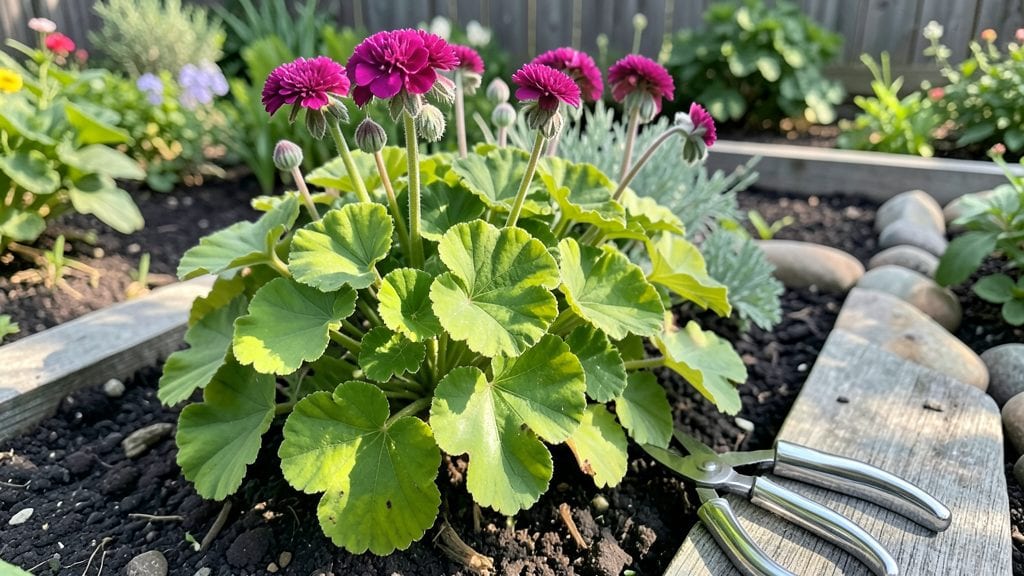
Harvesting geranium seeds from your cold-stressed blooms is the secret to multiplying your favorite varieties for next year. 🌱 I learned this trick after my hardy geraniums refused to die in the fall frost—those tough little plants just kept producing seed pods, and now I grow dozens of new plants from them every spring.
The best time to collect seeds is when the pods turn from green to brown and start splitting open—usually 8-12 weeks after the first flowers appear. You’ll need a pair of sharp scissors or pruners, a paper bag for storage, and a sunny windowsill to dry them.
Pelargoniums (the fancy bedding types) and hardy geraniums both follow this same process, though pelargonium seeds sometimes need a little extra warmth to germinate.
Once you’ve dried the seeds completely, store them in an envelope in a cool, dark place. They’ll stay viable for 2-3 years, ready to sprout into vibrant new plants that match—or even surpass—their parents.
The first flush of seedlings will appear in 2-3 weeks if kept warm and moist, and you’ll have a head start on next season’s garden.
Here’s the kicker: these homegrown geraniums often outperform store-bought ones because they’re already adapted to your climate. Just be patient—some varieties take longer to mature, but the payoff of free, hardy plants is worth the wait. Let’s get those seeds collected!
📚 In This Guide
- What you need
- Instructions
- Tips and common mistakes
- Wrapping up and next steps
What you need
- ● Mature geranium plants: Choose healthy, disease-free plants with fully bloomed flowers (preferably Pelargonium species). Aim for at least 3-5 plants for a good seed yield.
- ● Scissors or pruning shears: Sharp, clean tools to snip spent flower heads (sterilize with rubbing alcohol if reusing).
- ● Brown paper bags or seed envelopes: 1-2 bags per plant (or labeled envelopes) to collect seeds. Use unbleached, acid-free paper to prevent mold.
- ● Permanent marker: For labeling seeds with the variety name and harvest date.
- ● Drying tray or screen: A flat, breathable surface (like a wire rack or cardboard) to air-dry seeds for 2-4 weeks.
- ● Small mesh bags or glass jars: For long-term storage (e.g., quart-sized mason jars with silica gel packets).
- ● Humidity pack: A silica gel packet or rice grains in a breathable cloth to absorb moisture during storage.
- ● Magnifying glass: For spotting tiny seeds hidden in flower heads.
- ● Seed catalog or notebook: To track germination rates and favorite varieties.
- ● Grow lights or sunny windowsill: For testing seed viability by sprouting a few before full planting.
Step-by-Step guide to harvesting geranium seeds
Cold-stressing your geraniums triggers seed production—here’s how to collect viable seeds efficiently.
🌱 Step 1: Identify and Select Healthy Seed Pods
Geranium seed pods form after blooms fade and develop into small, spiky capsules. Wait until they turn brown and papery—this signals maturity. Gently squeeze a pod between your fingers; if it crumbles easily, it’s ready. Avoid pods that remain green or feel hard, as they won’t yield seeds.
Use clean, sharp scissors to snip the pods from the stem, leaving a ½-inch stem attachment to prevent moisture loss. Place them in a paper bag (not plastic—condensation ruins seeds) and label with the geranium variety. Harvest on a dry morning to minimize humidity exposure.
💧 Step 2: Dry and Separate Seeds
Spread the pods on a flat surface (like a baking sheet) in a warm, dry location (around 70°F) for 3-5 days. The pods will split open naturally, releasing seeds. Stir them gently daily to prevent mold. If humidity is high, use a small fan on low to circulate air without disturbing the seeds.
Once the pods are fully open, tip the seeds into a fine-mesh sieve and shake gently. The seeds will fall through, while chaff and debris remain behind. For extra purity, float the seeds in lukewarm water—viable seeds sink, while empty or damaged ones float. Pat the good seeds dry with a paper towel before storage.
⏰ Step 3: Store Seeds for Optimal Germination
Place the dried seeds in an airtight container (like a small glass jar) with a desiccant packet to absorb moisture. Label the container with the geranium type and harvest date. Store in a cool, dark place (around 40-50°F) for up to 2 years. Avoid refrigerators with high humidity or freezers, as temperature fluctuations reduce viability.
Before sowing, test germination by placing 5-10 seeds on a damp paper towel in a sealed bag. Keep them in warmth (75°F) for 7-10 days. If 80% sprout, your stored seeds are ready for planting. If fewer than half sprout, store the remaining seeds for another season or discard them.
☀️ Step 4: Cold-Stress Geraniums for Next Year’s Blooms
To encourage seed production in future cycles, subject your geraniums to 4-6 weeks of cold treatment in late fall. Move potted plants to an unheated garage or shed (where temps drop to 35-45°F at night). Water sparingly—just enough to keep soil from drying completely. This mimics winter conditions and triggers robust flowering the following spring.
After cold-stressing, resume normal care in early spring. You’ll notice healthier foliage and more abundant blooms within 6-8 weeks. Repeat the seed-harvesting process the next season for a reliable supply of homegrown geraniums.
Tips & tricks for perfect geranium seed harvesting
Here's what I've learned after years of experimenting with geranium seed collection—these tricks will help you maximize yield and viability.
Pod Maturity Test: The crumble test in Step 1 is your best friend. I've found that pods at exactly 70°F dry fastest—if your space is cooler, extend drying to 6-7 days. Watch for the telltale papery texture rather than relying solely on color. If pods feel leathery or springy, they need more time to mature.
Humidity Control: During the 3-5 day drying period at 70°F, I've had the most success using a small box fan on low setting to create gentle airflow. This prevents mold without disturbing the delicate seeds. Place a small bowl of water near the fan to maintain balanced humidity—just enough to keep seeds from drying out completely.
Storage Wisdom: For long-term storage at 40-50°F, I recommend using glass jars with tight-sealing lids instead of plastic containers. The glass won't absorb moisture like some plastics do, and the desiccant packet works more effectively. I've kept seeds viable for up to 2 years using this method, though germination rates drop slightly after year one.
Germination Testing: When testing your 5-10 seeds at 75°F, place them between two damp paper towels in a sealed plastic bag. This creates a mini greenhouse effect that speeds up the process. I've noticed that seeds from cold-stressed plants (Step 4) often sprout faster than those from non-stressed plants—proof that the cold treatment really works!
Pro Tips for Harvest Geranium Seeds
- Here's what I've learned after years of experimenting with geranium seed collection—these tricks will help you maximize yield and viability.
- Pod Maturity Test: The crumble test in Step 1 is your best friend.
- Humidity Control: During the 3-5 day drying period at 70°F, I've had the most success using a small box fan on low setting to create gentle airflow.
Frequently asked questions
Got questions about harvesting geranium seeds?
You’re not alone! Here are answers to the most common queries to help you grow those cold-hardy blooms with ease.
When is the best time to harvest geranium seeds?
Harvest seeds when the flower petals fall off, leaving behind a seed pod that turns brown and papery. Aim for late summer to early fall (August–September) in most climates. If pods split open too soon, collect seeds daily to avoid losing them to birds or wind!
How long does it take for harvested seeds to germinate?
Geranium seeds typically germinate in 14–21 days if kept in warm (70–75°F), moist conditions. Cold stratification (chilling seeds for 2–4 weeks) can improve germination rates—just place them in a damp paper towel in the fridge before planting.
Can I harvest seeds from geraniums grown in pots?
Potted geraniums (Pelargonium spp.) produce seeds just like garden varieties. Ensure your plant gets full sun and well-draining soil to encourage seed production. Just be mindful of space—some varieties may need pruning to focus energy on seed pods.
What if my geranium seeds don’t sprout?
Try these fixes: Check for freshness (seeds lose viability after 1–2 years), scratch the seed coat lightly with sandpaper (geraniums have hard shells), or soak seeds overnight in warm water. If all else fails, ask local nurseries for fresh stock!
Are there alternatives if I can’t harvest seeds?
No problem! Propagate geraniums from stem cuttings (place in water or moist soil) or divide mature plants in spring. For heirloom varieties, buying seeds from specialty growers ensures genetic consistency—just label them well!
Wrapping up and next steps
Harvesting geranium seeds is a rewarding journey that connects you to nature’s cycle—turning last season’s blooms into next year’s vibrant plants! With patience and the right techniques, you’ll unlock a bounty of cold-stressed seedlings in just 8-12 weeks.
Whether you’re a seasoned gardener or a curious beginner, every seed you save is a step toward a self-sustaining garden filled with color and life.
Ready to dive deeper? Start small: try harvesting seeds from one or two healthy plants this season, then expand your efforts as you gain confidence. Happy growing—your future geraniums are waiting! 🌱✨