
How To
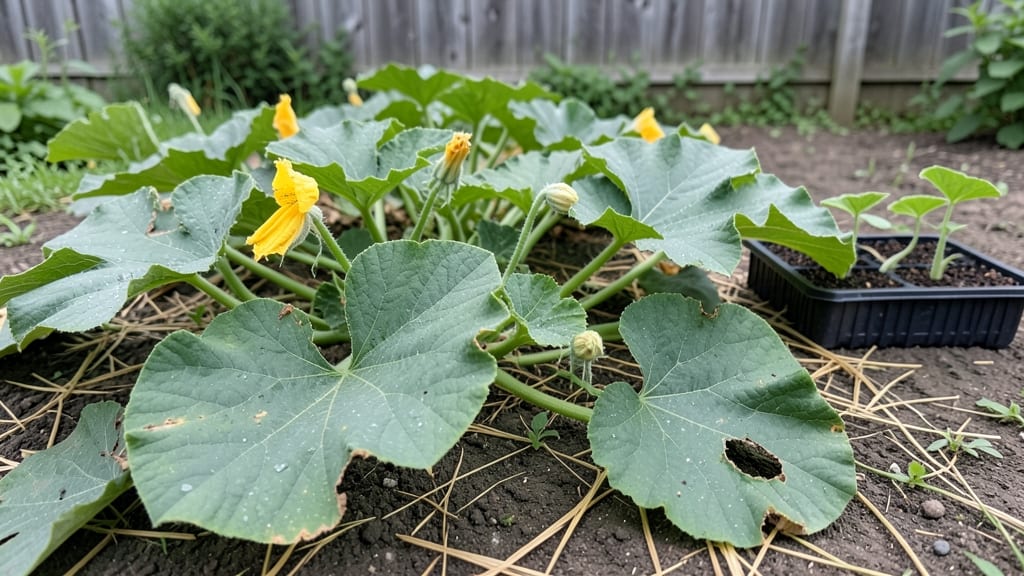
Pumpkin seeds germinate in 5 to 14 days when given the right conditions—but cold stratification can cut that time in half and boost success rates. I’ve learned the hard way that skipping this step means waiting weeks for stubborn seeds to finally crack open, if they sprout at all.
The secret lies in mimicking nature’s timing: a cool, moist period breaks dormancy before warmth triggers growth.
Soil temperature matters most—keep it between 70°F and 90°F during germination, but start seeds indoors at 60°F for 7–10 days to harden them off. Moisture is critical too: seeds need consistent dampness, not soggy soil, or they’ll rot before sprouting.
My first batch failed because I overwatered; now I use a spray bottle to keep the medium just damp enough to feel like a wrung-out sponge.
What you’ll see first are tiny white roots breaking through the shell, then the seedling’s first leaves unfurling in 3–5 days after that. By day 10, you’ll have sturdy little plants ready for transplanting—no more waiting weeks for seeds to finally decide to grow.
The key is patience during stratification and warmth once they’re ready to burst forward.
This method works for all pumpkin varieties, from small sugar pumpkins to massive jack-o’-lantern types. Whether you’re growing for fall decorations or fresh pie, timing your stratification right means fewer wasted seeds and more reliable harvests. Let’s get those sprouts started strong!
Germination Delays Explained
Understanding why pumpkin seeds take longer than expected to sprout can help you troubleshoot and optimize your growing conditions. Here’s a breakdown of the key factors that slow down—or even halt—the germination process, along with clear scientific explanations and actionable fixes.
Pumpkin seeds need consistent moisture to activate enzymes that break down stored nutrients, but extremes in humidity can derail germination.
- Too Dry: Without enough water, seeds remain dormant. The embryo inside lacks hydration to kickstart metabolic activity.
- Fix: Keep seeds in a damp (not soggy) paper towel or seed-starting mix. Aim for 50-70% moisture—like a wrung-out sponge.
- Too Wet: Excess moisture suffocates seeds by blocking oxygen or promoting mold (e.g., Pythium or Fusarium). Seeds may rot before sprouting. - Fix: Use a well-draining medium (e.g., coco coir or vermiculite) and avoid overwatering.
A clear plastic dome with ventilation holes helps maintain humidity without drowning roots.
Pumpkin seeds thrive in warmth (70–90°F or 21–32°C), but cold or inconsistent temps stall germination.
- Too Cold (<60°F/15°C): Enzymes slow down, delaying the breakdown of starches into sugars the seedling needs for energy. - Fix: Use a seedling heat mat (set to 75–85°F) or place trays near a sunny window.
Cold stratification (for northern climates) requires patience—seeds may take 2–4 weeks longer to sprout.
- Too Hot (>95°F/35°C): Seeds can dry out or suffer protein denaturation, killing the embryo.
- Fix: Avoid direct sunlight until sprouts emerge. Use a grow light 12 inches above seeds to regulate heat.
Even fresh pumpkin seeds can fail to germinate if stored improperly or past their prime.
- Old Seeds (>2–3 Years): Pumpkin seeds lose viability over time due to lipid peroxidation (fat breakdown) and reduced enzyme activity. - Fix: Test viability by soaking 10 seeds in water for 24 hours—80%+ that float are likely still good.
Store seeds in a cool, dark, dry place (e.g., airtight container in the fridge) to extend shelf life.
- Damaged or Improperly Harvested Seeds: Seeds with cracks, mold, or exposed embryos won’t germinate.
- Fix: Choose plump, undamaged seeds from healthy pumpkins. Clean seeds thoroughly with water and dry them in a single layer for 2–3 days before planting.
Seeds need oxygen to respire and produce energy for growth. Compacted or waterlogged soil cuts off airflow.
- Overly Dense Soil: Clay-heavy or tightly packed seed-starting mixes restrict root development.
- Fix: Mix perlite or sand into your growing medium to improve aeration. For soil blocks, press lightly—avoid compressing.
- Sealed Containers: Plastic bags or airtight lids trap CO₂ and deplete oxygen.
- Fix: Use ventilated propagators or poke holes in plastic wrap. Mist seeds lightly instead of soaking to prevent suffocation.
Pumpkin seeds do not need light to germinate—exposing them too early can trigger premature growth or stress.
- Premature Light: Seeds exposed to light before sprouting may develop etiolation (weak, leggy stems) due to insufficient energy reserves.
- Fix: Keep seeds in darkness until the radical (first root) emerges. Once sprouts appear, move them to 12–16 hours of light daily.
- UV Damage: Direct sunlight can overheat seeds or dry out the embryo.
- Fix: Use indirect light (e.g., a north-facing window) or a grow light until the first true leaves form.
Residues from pesticides, fungicides, or even old compost can inhibit germination.
- Pesticide Residue: Neonicotinoids or copper-based fungicides may disrupt cellular processes.
- Fix: Rinse seeds in lukewarm water for 10 minutes before planting. Use organic seed-starting mixes to avoid chemicals.
- Fungal/Bacterial Contamination: Moldy seeds or contaminated soil introduce pathogens like Rhizoctonia.
- Fix: Sterilize soil with a 10-minute bake at 180°F (82°C) or use hydrogen peroxide (3%) as a soil drench (1 tbsp per gallon of water).
Not all pumpkin varieties germinate at the same rate. Some heirloom or hybrid seeds are bred for slower, more controlled sprouting.
- Hybrid Seeds: Often have delayed germination (5–14 days) due to selective breeding for uniformity.
- Fix: Research your variety’s typical germination time. For hybrids, soak seeds overnight in warm water to speed up the process.
- Heirloom vs. Commercial: Heirloom seeds may take longer (10–21 days) if not cold-stratified properly.
- Fix: Pre-treat heirloom seeds with cold stratification (40–50°F/4–10°C for 7–14 days) to mimic natural winter conditions.
Pro Tip: 💡 Track your seeds! Label trays with the planting date and variety. If germination takes longer than 21 days without sprouts, the seeds may be non-viable—start fresh with new stock.
Fixing Germination Delays in Pumpkin Seeds
Pumpkin seeds can be finicky little sprouts, and if yours aren’t cooperating within the expected timeline, don’t worry—there are practical fixes to get them growing reliably. Below, we break down common causes and their solutions, so you can troubleshoot like a pro and enjoy those first green shoots sooner.
Cause: Too dry or soggy soil can stall germination. Pumpkin seeds need steady moisture but not waterlogging.
How to Fix It:
- 💧 Use a spray bottle to mist the soil lightly every 1–2 days, ensuring it stays damp (like a wrung-out sponge).
- 🌱 Avoid overwatering—soggy conditions can suffocate seeds and invite mold.
- 📏 Place a humidity dome (or a plastic bag with holes) over the tray to retain moisture without drowning the seeds.
Prevention Tip: Use a moisture meter or the "squeeze test"—if soil clumps when pressed, it’s too wet.
Cause: Pumpkin seeds germinate best between 70–90°F (21–32°C). Cooler temps slow them down, while heat above 95°F (35°C) can kill them.
How to Fix It:
- 🔥 Move seeds to a warm spot, like a sunny windowsill, heat mat (set to 75–80°F), or even a seedling heat pad.
- ☀️ Use a greenhouse tray with a clear lid to trap warmth.
- ❄️ If too cold, pre-warm the soil in a microwave (30 sec) or place the tray near a heater.
Prevention Tip: Cold-stratify seeds (chill for 3–5 days) if your climate is too warm—this mimics natural winter conditions and can improve germination rates.
Cause: Compacted or nutrient-poor soil can block oxygen and stunt growth.
How to Fix It:
- 🌿 Switch to a seed-starting mix (light, sterile, and fluffy—avoid garden soil).
- 🔄 Fluff the soil gently with a fork or chopsticks to improve aeration.
- 💡 Add perlite or vermiculite (10–20%) to prevent compaction.
Prevention Tip: Sterilize soil by baking it at 200°F (93°C) for 30 minutes to kill fungi or bacteria.
Cause: Buried too deep (over 1 inch), seeds may not get enough oxygen; too shallow (less than ½ inch), they dry out.
How to Fix It:
- 📏 Plant seeds ½–1 inch deep in well-draining soil.
- 👆 Press lightly (don’t pack down) to ensure good soil contact.
- 🌱 Use a pencil or toothpick to make small holes for precision planting.
Prevention Tip: Label your seeds with a popsicle stick so you don’t accidentally replant too deep!
Cause: Mold, damping-off, or pests (like fungus gnats) can kill seeds before they sprout.
How to Fix It:
- 🧼 Spray seeds with neem oil (1 tsp per cup of water) to deter pests and fungus.
- 🌿 Use a fan (24/7 on low) to improve airflow and dry soil faster.
- 🚫 Avoid overcrowding—space seeds 1–2 inches apart to prevent disease spread.
Prevention Tip: Water at the base (not overhead) to keep leaves dry and reduce mold risk.
If seeds still haven’t sprouted after 7–14 days, they may be non-viable—try fresh seeds or adjust conditions. Once they crack, keep them warm and moist for the first 2 weeks to prevent shock.
💡 Pro Tip: Test seed viability by soaking 10 seeds in water overnight—if fewer than 8 swell, they may be old or stored poorly.
With these fixes, your pumpkin seeds should be popping up in no time—just remember: consistency is key! Whether it’s moisture, warmth, or soil, small tweaks can make a big difference. Happy growing! 🌱🎉
Frequently asked questions about pumpkin seed germination
How long does it take for pumpkin seeds to sprout after planting?
Under ideal conditions—warm soil (70–90°F) and consistent moisture—pumpkin seeds typically sprout in 5–14 days. The first sign is a tiny white root breaking through the seed coat, followed by the seedling’s first leaves in 3–5 days after that. Cold stratification can speed this up for northern climates.
Can I speed up pumpkin seed germination?
Yes! Soak seeds overnight in warm water to kickstart hydration, then plant them in pre-warmed soil (75–85°F). Use a humidity dome or plastic wrap to retain moisture, and avoid burying seeds deeper than ½ inch. A seedling heat mat can cut germination time by 3–5 days.
What’s the best soil temperature for pumpkin seed germination?
Pumpkin seeds germinate fastest at 70–90°F (21–32°C). Below 60°F (15°C), germination slows dramatically, while temperatures above 95°F (35°C) can kill the embryo. Use a heat mat or greenhouse tray to maintain consistent warmth until sprouts appear.
Why aren’t my pumpkin seeds sprouting after 2 weeks?
Common culprits include old seeds (over 2–3 years), improper moisture (too dry or soggy), or incorrect soil temps. Test viability by soaking 10 seeds—if fewer than 80% float, they’re likely non-viable. Adjust conditions: use a seed-starting mix, maintain 70–90°F soil, and ensure good airflow.
Do pumpkin seeds need light to germinate?
No, pumpkin seeds germinate best in darkness until the radical (first root) emerges. Premature light exposure can cause etiolation (weak, leggy stems). Keep seeds in the dark until sprouts appear, then move them to 12–16 hours of light daily to support healthy growth.