
Vegetables
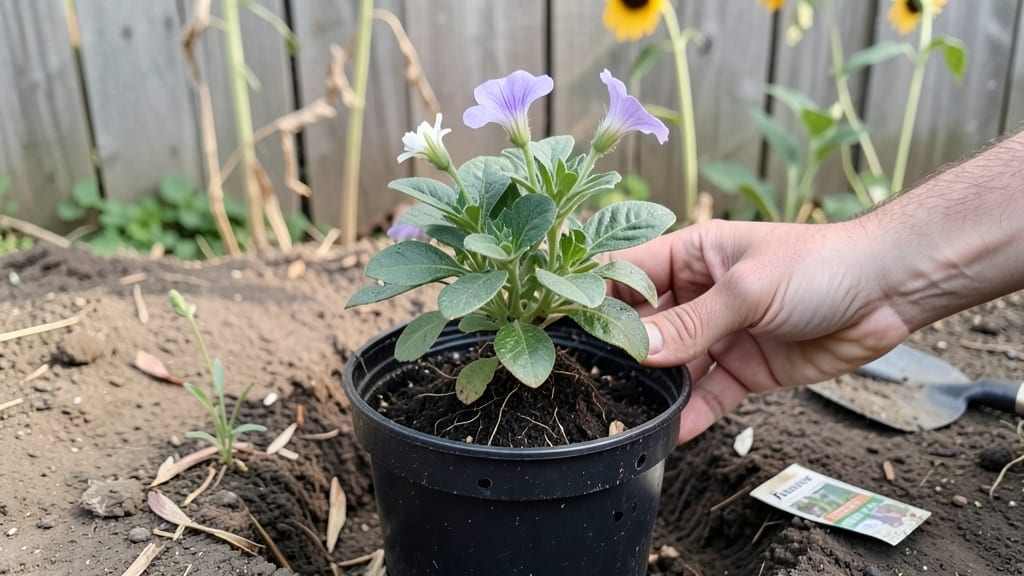
Planting petunia seeds per pot is all about balance—too few and you’ll have sparse blooms, too many and you’ll fight for space. 🌸 I’ve learned that a 4-inch pot holds just 3-5 seeds, while a 6-inch container can take 7-9, giving each plant room to spread its vibrant petals without competition.
The key isn’t just numbers, though—it’s how you prep the soil and handle those delicate seedlings.
Start with well-draining potting mix and scatter seeds on the surface—no need to bury them, since petunias need light to germinate. A gentle mist keeps them moist without drowning them, and within 7-14 days, you’ll see those first tiny leaves pushing through.
Here’s where most gardeners trip up: overcrowding leads to leggy, weak plants that flop instead of flourish.
Once seedlings hit 2-3 inches tall, thin them to your target count, or transplant the extras to new pots. You’ll end up with lush, bushy plants that spill over with blooms all season—no more sad, sparse pots.
The payoff? A front porch or window box bursting with color that lasts from spring until frost.
This method works for both annual petunias and trailing varieties, whether you’re growing in containers, hanging baskets, or even window boxes. The secret’s in the spacing—give them room to breathe, and they’ll reward you with nonstop blooms. Ready to transform those empty pots into a floral showstopper?
📚 In This Guide
- What you need
- Instructions
- Tips and common mistakes
- Wrapping up and next steps
What you need
- ● Petunia seeds: 1–3 seeds per pot (depending on desired fullness; see tips for spacing!).
- ● Seed-starting pots or containers: 3–4 inch diameter pots (ideal for single plants or 2–3 seeds per pot).
- ● 6–8 inch pots (for 3–5 seeds per pot, thinned later).
- ● High-quality seed-starting mix: Lightweight, sterile, and well-draining (avoid garden soil!).
- ● Spray bottle or watering can: With a fine mist setting (gentle watering prevents seed displacement!).
- ○ Clear plastic wrap or humidity dome: Optional but helpful for retaining moisture during germination.
- ● Trowel or small spoon: For gently pressing seeds into soil.
- ● Plant labels: To track varieties and planting dates (use toothpicks + masking tape if needed!).
- ● Grow lights or sunny windowsill: 12–16 hours of light daily (south-facing windows work for short-term starts).
- ○ Fertilizer (optional): Balanced liquid fertilizer (5-5-5 or 10-10-10) diluted to half-strength for seedlings.
- ● Slow-release granules mixed into soil at planting (follow package rates).
Step-by-Step instructions for planting petunia seeds in pots
Here's how to plant petunia seeds for maximum blooms without overcrowding.
🌱 Step 1: Prepare Your Pots and Soil
Start with clean pots that have drainage holes—petunias hate soggy roots. Fill each pot with the potting mix up to 1 inch below the rim. Press it down gently so it's firm but not compacted. The goal is a surface that's smooth and ready for seeds but still loose enough for tender roots to grow.
Moisten the mix with water until it feels damp like a wrung-out sponge. You'll know it's ready when water drips out the bottom holes but no puddles form on the saucer. This ensures even moisture without waterlogging.
🌱 Step 2: Plant the Right Number of Seeds
For each pot, sprinkle 3-5 petunia seeds on the soil surface. Don't bury them—they need light to germinate. Press them lightly with your finger so they make contact with the soil but don't cover them. Petunia seeds are tiny, so I use a toothpick to space them evenly.
Here's the thing—planting too many seeds in one pot leads to weak, crowded plants that compete for nutrients. You'll see leggy stems and fewer blooms if you overcrowd. For 4-inch pots, 3-5 seeds is perfect. For larger 6-inch pots, you can plant up to 9 seeds.
💧 Step 3: Water and Cover for Germination
Mist the soil gently with water until it's evenly moist. Use a spray bottle to avoid disturbing the seeds. Cover each pot with plastic wrap or a humidity dome to retain moisture and warmth. Petunia seeds germinate best at 70-75°F, so place the pots in a warm, bright spot.
Check daily for condensation on the plastic. If it's foggy inside, the seeds have enough moisture. If it's dry, mist again lightly. Germination takes 7-14 days, so patience is key. Once you see sprouts, remove the plastic immediately to prevent damping-off disease.
☀️ Step 4: Thin Seedlings for Strong Growth
When seedlings have 2-3 true leaves (not just the first tiny cotyledons), it's time to thin. Use scissors to snip the weakest seedlings at soil level, leaving the strongest 2-3 plants per pot. This might sound harsh, but crowded plants grow leggy and produce fewer blooms.
You'll notice the remaining seedlings perk up within days. They'll grow thicker stems and more vibrant leaves because they're no longer competing for space. Water at the base to avoid disturbing the roots during this critical phase.
✂️ Step 5: Maintain and Encourage Blooms
Once your petunias are established, water when the top inch of soil feels dry. Petunias love moisture but hate soggy roots, so always check before watering. Feed with a balanced liquid fertilizer every 2 weeks to encourage lush growth and abundant blooms.
Deadhead spent flowers regularly to keep your petunias blooming all season. Pinch off faded blooms with your fingers or snip them with scissors. You'll see new buds forming within a week—that's your reward for precision planting!
Tips & tricks for perfect petunia planting
A few simple tricks will help you avoid common mistakes and get the most vibrant blooms from your petunia seeds.
The Right Pot Size Matters: The 3-5 seeds for 4-inch pots and up to 9 seeds for 6-inch pots are based on mature plant size. Petunias can grow 6-12 inches wide, so you need space for their roots to spread. I've seen gardeners overcrowd by planting too many seeds in small pots—this leads to weak stems that flop over and compete for nutrients, resulting in fewer blooms.
Seed Spacing Secret: When planting those tiny petunia seeds in Step 2, use a toothpick to create small divots in the soil surface. This helps you space them evenly and prevents clumping. I learned this trick after watching my first batch of seeds grow too close together—now I get perfectly spaced seedlings every time.
Germination Temperature Tip: That 70-75°F range in Step 3 is crucial because petunia seeds need warmth to germinate. If your home is cooler, place pots on a seedling heat mat or near a sunny window. I've used a simple LED grow light on a timer to maintain consistent warmth, which cut my germination time from 14 days to just 7 days.
Thinning Strategy: When you thin to 2-3 plants per pot in Step 4, don't just pull seedlings—use clean scissors to snip at soil level. This prevents disturbing the roots of your remaining plants. I've seen gardeners accidentally uproot their best seedlings while trying to remove weak ones, so this precise method saves you from starting over.
Pro Tips for How Many Petunia Seeds Per Pot
- A few simple tricks will help you avoid common mistakes and get the most vibrant blooms from your petunia seeds.
- The Right Pot Size Matters: The 3-5 seeds for 4-inch pots and up to 9 seeds for 6-inch pots are based on mature plant size.
- Seed Spacing Secret: When planting those tiny petunia seeds in Step 2, use a toothpick to create small divots in the soil surface.
Frequently asked questions
Got questions about planting petunia seeds? You’re not alone!
Here are some of the most common concerns—plus quick, practical answers to help you grow a showstopping display.
How many petunia seeds should I plant per pot for full blooms?
For standard petunias, aim for 3–5 seeds per 6-inch pot or 5–7 seeds per 8–10-inch pot. Thinning to 1–2 strongest seedlings later ensures healthier growth. Larger pots (12+ inches) can handle 7–10 seeds, but monitor spacing to avoid overcrowding.
When is the best time to plant petunia seeds indoors vs. outdoors?
Start seeds indoors 8–10 weeks before your last frost (use grow lights for 12–16 hours/day). Transplant outdoors after soil warms to 55°F+ and night temps stay above 50°F. Direct sowing outdoors works in warm climates (Zone 9+) after frost risk passes—just cover seeds lightly with soil.
What if my petunia seedlings look leggy or weak after germination?
Leggy seedlings often mean too little light or overcrowding. Move trays to a sunny window or under grow lights (6 inches away). Thin seedlings to 2 inches apart and fertilize lightly with a balanced 10-10-10 solution once true leaves appear. Avoid overwatering—keep soil moist but not soggy.
Can I reuse pots or soil from last year’s petunias?
Reuse pots only if sterilized (boil for 10 mins or bake at 200°F for 30 mins). Old soil may harbor fungal diseases or pests. Refresh with new potting mix (add perlite for drainage) or repurpose pots for annuals like marigolds, which tolerate reused containers better.
What’s a quick fix if I accidentally planted too many seeds in a small pot?
Don’t panic! Gently snip seedlings at soil level with clean scissors, leaving the healthiest 2–3 per pot. For stubborn roots, use a sterilized knife to separate clumps. Water lightly afterward and avoid fertilizing for 1–2 weeks to reduce stress.
Still stumped? Drop your question below—we’re happy to help your petunias thrive!
Wrapping up and next steps
Planting petunias is all about finding the perfect balance—whether you’re filling a cozy 6-inch pot with 3-5 seeds or a spacious 12-inch container with 10-15 seeds.
The key is patience and precision: thin seedlings early to avoid overcrowding, and soon, you’ll be rewarded with vibrant blooms that steal the show! 🌸
Ready to turn your green thumb into a petunia powerhouse? Grab those seeds, pick your pots, and get planting—your future garden oasis is just a few sprouts away! Check out our guide on post-planting care to keep those flowers thriving all season.