
Watering
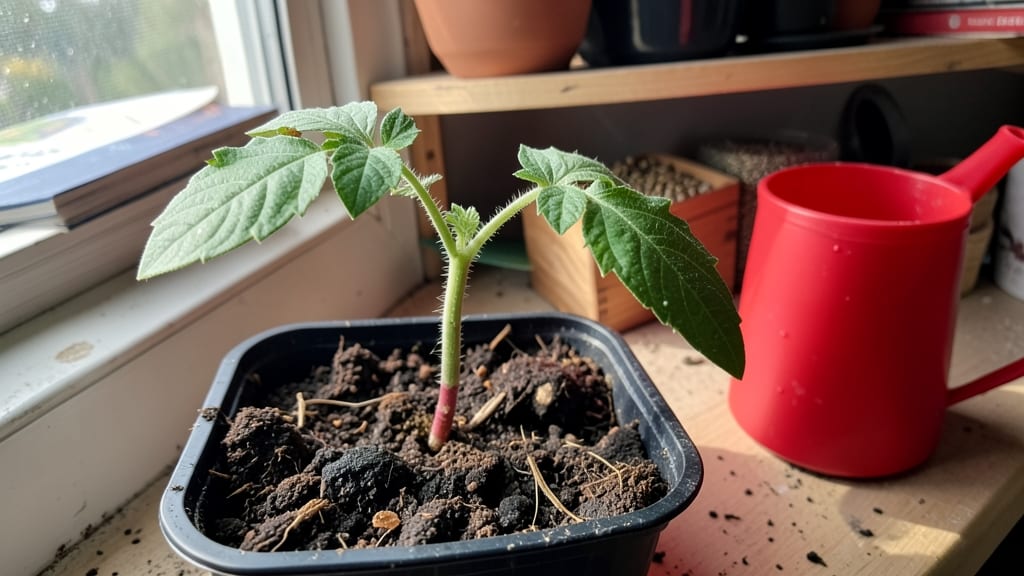
Seedlings need consistent moisture—about 1/4 to 1/2 inch of water per week—but the right amount keeps them thriving, not drowning.
Overwatering or underwatering seedlings can spell disaster for your garden—yet most gardeners struggle to strike the perfect balance. Too much water rots roots, while too little stunts growth, leaving you with weak 🌱 sprouts that never reach their potential.
Soil type, climate, and even the pot size play a role, which is why a one-size-fits-all approach fails. Sandy soil drains fast, while clay holds moisture longer, and indoor seedlings dry out quicker than those outside.
The key is checking soil moisture before watering—stick your finger in an inch deep, and if it feels dry, it’s time.
Below, I break down the exact watering schedule by plant type, plus how to spot overwatering (yellow leaves) vs. underwatering (crispy edges) so you can rescue your seedlings before it’s too late.


Seedling watering schedule: how often to water by plant type
Mastering the seedling watering schedule is the difference between thriving plants and wasted effort. Too much water causes root rot, while too little stunts growth. The key? Understanding how often to water based on plant type, soil, and climate.
My garden transformed when I stopped guessing and started tracking moisture levels—here’s how you can too.
Seedlings need consistent moisture, but their needs vary wildly. A tomato seedling in sandy soil drinks water like a sponge, while basil in clay stays damp longer.
Even flower seedlings like marigolds have different thresholds. Below, I’ve broken down the exact watering frequency by category, plus pro tips to adjust for your local conditions.
💧 Key Rule: Always water early in the morning to prevent fungal diseases. Avoid soggy soil—stick your finger 1 inch deep; if it’s dry, water. If it’s damp, wait. This simple check saves countless seedlings from drowning.
Use this quick-reference table for common seedlings. Adjust based on your humidity levels (add water in dry climates) and pot size (small pots dry faster). For indoor seedlings, reduce frequency by 20% since they’re shielded from wind and sun.
For container-grown seedlings, cut watering frequency in half compared to in-ground plants. Small pots dry out 3x faster due to limited soil volume. If your seedlings are in 6-inch pots, check moisture daily in summer.
Use self-watering trays to maintain consistency—my basil seedlings tripled in size when I switched to these!
Climate plays a huge role. In hot, dry climates (like Arizona), water vegetable seedlings daily in the morning. In humid regions (like Florida), reduce to every 3-4 days to prevent fungal issues.
Pro tip: Group seedlings by type and water together. This saves time and ensures uniform moisture levels across your garden.
Watch for early signs of stress. Wilting leaves by midday? Your seedlings need water. Yellowing leaves? You’re overwatering. Adjust your schedule weekly based on these cues.
I keep a small notebook by my seedling trays to track watering dates and note any changes in plant health—it’s a game-changer for troubleshooting.
Once seedlings hit the 2-3 leaf stage, reduce watering slightly to toughen them up before transplanting. Hardening off includes gradual exposure to outdoor conditions, but also tapering water to mimic real garden moisture levels. This step saved my pepper seedlings from shock when I moved them outside last spring.
Mulch your seedlings with straw or shredded leaves to lock in moisture and reduce evaporation. A ¼-inch layer works wonders, especially in sandy soils
Signs of overwatering vs. underwatering seedlings (with fixes)
Seedlings are delicate, and watering mistakes can kill them before they even reach maturity. The key is finding that perfect moisture balance—not too wet, not too dry.
I’ve learned the hard way that yellowing leaves or wilting stems often signal trouble, but knowing the difference between overwatering and underwatering is the first step to saving your seedlings. Let’s break down the visual and tactile clues so you can act fast.
When seedlings get too much water, their roots suffocate from lack of oxygen, leading to root rot and fungal diseases. On the flip side, underwatered seedlings develop crispy edges and droop because their cells lose turgor pressure.
Both issues require immediate attention, but the fixes differ completely. Below, I’ll walk you through how to diagnose the problem and correct it before it’s too late.
How Much Water Does a Seedling Need?
- 💧 Consistent moisture promotes steady growth
- 🌱 Prevents wilting and crispy leaf edges
- 🌡️ Cools roots in hot climates
- 💀 Root rot from over-saturated soil
- 🍄 Fungal diseases like damping-off
- 🌡️ Cold soil slows nutrient uptake
Start by examining the soil surface. If it’s crusty or cracked, your seedlings are thirsty. Stick your finger 1 inch deep—if it feels dry, it’s time to water.
For overwatered seedlings, the soil will feel slimy or overly wet, and you might even see mold or a musty smell. In both cases, act fast: underwatered seedlings need a gentle soak, while overwatered ones need drying time and possibly fresh, sterile potting mix.
Next, check the leaves and stems. Yellowing leaves with soft, mushy stems are classic signs of overwatering. These seedlings might even fall over or develop black spots where the stem meets the soil.
On the other hand, underwatered seedlings have crispy brown edges and wilting leaves that don’t bounce back when you plump them up. The key difference? Overwatered leaves feel limp and soggy, while underwatered leaves feel dry and brittle.
Don’t overlook the roots—they hold the biggest clues. Gently remove a seedling from its pot to inspect the roots. Healthy roots are white or light tan and spongy to the touch. If they’re dark brown or black, they’re rotting from excess water.
If they’re dry and shriveled, the seedling hasn’t gotten enough. In either case, trim the damaged roots with sterilized scissors and repot in fresh, well-draining soil. For underwatered seedlings, soak the roots in room-temperature water for 10 minutes before replanting.
Finally, adjust your watering routine based on your climate and soil type. Seedlings in sandy soil dry out faster and need more frequent watering, while those in clay or peat-based mixes stay moist longer.
If you’re growing indoors, humidity levels play a big role—consider using a humidity tray or misting bottle to keep the air moist. Outdoor seedlings benefit from morning watering to reduce evaporation and fungal risks. With these fixes, your seedlings will thrive instead of wither.