
Picking
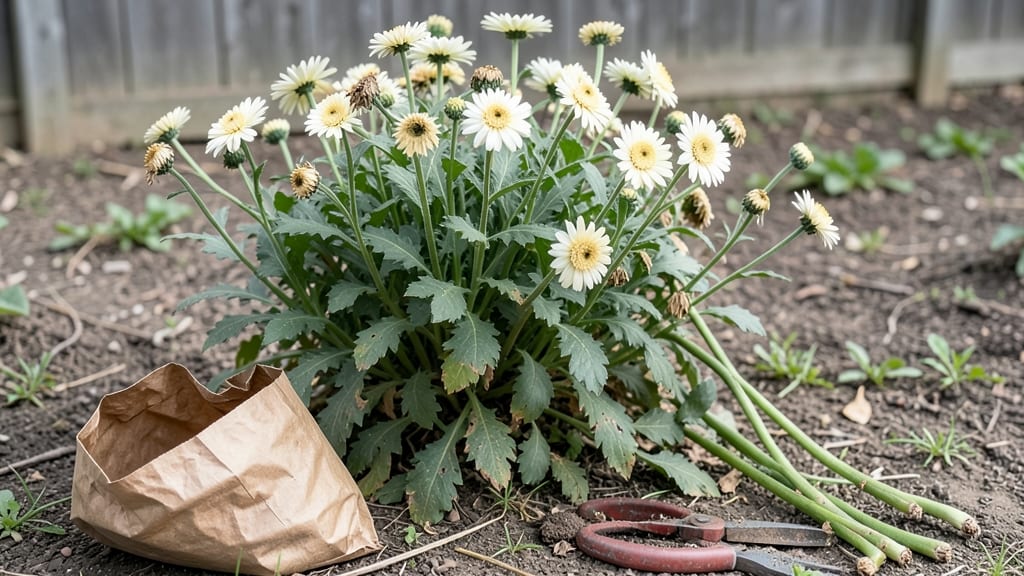
The best time to harvest daisy seeds is when the flower heads turn completely brown and dry. ✨ I learned this the hard way—waiting too long means the seeds scatter in the wind, while harvesting too early gives you immature, nonviable seeds that won’t grow.
The right moment is when the center fluff feels crisp and the petals have fallen away completely.
You’ll need just a few simple supplies: clean paper bags or envelopes for collecting, a pair of sharp scissors or pruning shears, and a dry, well-ventilated space for drying. Oxeye daisies and gerberas produce the most seeds, but even common garden daisies yield enough for next season.
The key is patience—rushing the process leads to seeds that won’t sprout, and nobody wants to waste their time on that.
Once you’ve gathered the dried seed heads, strip off the outer husks to reveal the tiny, papery seeds inside. Spread them on a tray in a dry spot for a few days to ensure they’re completely dry before storing in airtight containers.
Properly stored, these seeds can last for years, giving you a head start on next year’s garden without the cost of buying new plants.
If you’re dealing with moisture or humidity, speed up the drying process by placing the seed heads in a paper bag with a few holes punched in it. This keeps airflow moving while preventing mold.
A little extra care now means a full garden of cheerful daisies come spring—no need to buy transplants when you’ve got seeds ready to go!
📚 In This Guide
- What you need
- Instructions
- Tips and common mistakes
- Wrapping up and next steps
What you need
- ● Mature daisy plants – Choose healthy, fully bloomed daisies (like Bellis perennis or Leucanthemum varieties) with brown, dry seed heads.
- ● Pruning shears or sharp scissors – A pair with clean, sharp blades to avoid crushing seed heads.
- ● Paper bags or brown lunch bags – At least 2-3 per plant (or one large bag if harvesting multiple plants). Avoid plastic—it traps moisture!
- ● Newspaper or cardboard – A flat surface (about 12" x 18") for drying seeds.
- ● Fine-mesh sieve or strainer – A ¼-inch mesh works best for separating seeds from chaff.
- ● Air-tight storage containers – Small glass jars (like mason jars) or paper envelopes with sealed flaps (label them with the plant name and year!).
- ○ Ruler or measuring tape – Optional but helpful for tracking seed head size before harvesting.
- ● Desiccant packets – Place one in your storage container to absorb excess moisture.
- ● Handheld fan or hairdryer (low heat!) – Speeds up drying if you’re in a hurry (but avoid over-heating seeds).
- ● Labeling markers or tags – For tracking varieties or harvest dates.
- ● Gloves – If you’re sensitive to plant fibers or pollen.
Step-by-Step instructions for harvesting daisy seeds
Here's how I collect, dry, and store daisy seeds for vibrant blooms next season.
🌱 Step 1: Identify and Select Mature Daisy Heads
Wait until daisy flowers have fully bloomed, then faded to brown—this signals seed maturity. Look for seed heads that feel dry and papery when gently squeezed. I like to harvest on a dry morning after dew has evaporated, as moisture can accelerate seed spoilage.
Use clean, sharp scissors to snip the entire seed head from the stem, leaving about 1 inch of stem attached. This prevents seeds from scattering while hanging. Cut just above the first set of leaves to avoid damaging the plant. Harvest 4-6 mature heads for a good seed yield.
💧 Step 2: Dry the Seed Heads Properly
Lay the harvested heads on a clean, dry surface in a single layer, ensuring they don’t touch. Place them in a warm, dry spot with good airflow—like a sunny windowsill or a well-ventilated room. Avoid direct sunlight, which can overheat and dry the seeds too quickly.
Check daily for 10-14 days until the seed heads are completely dry and brittle. You’ll know they’re ready when the outer petals crumble easily between your fingers. If moisture lingers, drying takes longer—patience here ensures seed viability.
✂️ Step 3: Separate Seeds from Chaff
Once dry, gently rub the seed heads between your palms or use a clean, dry towel to break them apart. The seeds will fall out while the dried petals and stems remain as chaff. I like to do this over a large piece of paper or a tray to catch everything.
Sift the mixture through a fine-mesh strainer or sieve to separate seeds from chaff. The seeds will fall through, while the lighter debris stays behind. Discard the chaff and collect the seeds in a clean container. You should have enough seeds to plant 4-6 new daisies next season.
🪴 Step 4: Store Seeds for Long-Term Viability
Place the collected seeds in a small, airtight container like a glass jar or envelope. Label it with the date and type of daisy to avoid confusion later. Store the container in a cool, dark place—like a pantry or refrigerator—where temperatures stay between 35-50°F.
Daisy seeds remain viable for 2-3 years under these conditions. Check the container occasionally for moisture or pests. If you notice any dampness, transfer the seeds to a new container with a desiccant packet to absorb excess moisture and preserve freshness.
Tips & tricks for perfect daisy seed harvesting
A few simple tricks will help you maximize your daisy seed yield and ensure they stay viable for planting next season.
Timing is Everything: Harvest your daisy seed heads on a dry morning after dew has evaporated. I've learned this the hard way—moisture can cause seeds to spoil before you even get them indoors. If you must harvest after rain, wait until the plants are completely dry to the touch. The 10-14 day drying period becomes much more reliable when you start with completely dry seed heads.
Drying Strategy: While the instructions mention 10-14 days, I've found that adding a small fan near your drying area can cut that time by 2-3 days. Place the fan on low setting to create gentle airflow—this prevents mold while maintaining proper drying conditions. Just avoid direct airflow on the seed heads themselves, as it can cause them to scatter.
Storage Wisdom: For long-term viability beyond the 2-3 year window, consider adding a small packet of silica gel to your storage container. These packets are available at craft stores and help absorb any lingering moisture that might compromise seed quality. I store mine in the back of my refrigerator where temperatures stay consistently between 35-50°F, which matches the instructions perfectly.
Visual Cues: When checking for seed maturity in Step 1, look for seed heads that have turned completely brown and feel papery when gently squeezed. A good test is to try to pull apart the seed head—if it crumbles easily between your fingers, it's ready for harvest. For the drying process in Step 2, the seed heads should feel completely dry and brittle after 10-14 days, with outer petals that crumble easily when touched.
Pro Tips for Harvest Daisy Seeds
- A few simple tricks will help you maximize your daisy seed yield and ensure they stay viable for planting next season.
- Timing is Everything: Harvest your daisy seed heads on a dry morning after dew has evaporated.
- Drying Strategy: While the instructions mention 10-14 days, I've found that adding a small fan near your drying area can cut that time by 2-3 days.
Frequently asked questions
Got questions about harvesting daisy seeds?
You’re not alone! Here are answers to the most common queries to help you master the process and ensure your seeds stay viable for next season’s garden.
How do I know when daisy seeds are fully mature and ready to harvest?
Daisy seeds are ready when the flower heads turn brown and the seed clusters (achenes) look dry and papery. Gently squeeze a seed head—if the seeds crumble easily, they’re ready! Harvest on a dry, sunny day to avoid moisture. Pro tip: Wait until the center turns fully brown to prevent premature seed drop.
Can I harvest daisy seeds if they fall to the ground naturally?
Yes! If seeds drop before you harvest, simply collect them from the soil. Spread a tarp or newspaper beneath the plant to catch fallen seeds for easier cleanup. Just ensure the seeds are fully dry before storing. Watch out: Birds and squirrels love daisy seeds, so act quickly to secure your stash!
How long can I store harvested daisy seeds before planting?
Daisy seeds stay viable for 1–2 years if stored properly in a cool, dry place (like a sealed container in the fridge or freezer). Label your seeds with the harvest date to track freshness. For best results, plant them as soon as possible for higher germination rates.
What should I do if my daisy seeds won’t germinate?
Try these fixes:
- Stratification: Place seeds in a damp paper towel in the fridge for 2–4 weeks to mimic winter conditions.
- Light exposure: Daisy seeds often need light to germinate—sow them shallowly (just covering with soil).
- Freshness check: Old seeds may lose viability; test a few in damp paper towels to see if they sprout.
Can I use daisy seeds for anything other than planting?
Daisy seeds are edible (raw or toasted) and packed with nutrients like calcium and magnesium. They’re also great for wildlife feeding—sparrow and finch love them! For crafts, dry the seed heads and use them in potpourri or floral arrangements. Just avoid seeds from treated lawns.
Wrapping up and next steps
Harvesting daisy seeds is a rewarding way to ensure next year’s garden stays as vibrant as ever! 🌻 With the right tools, timing, and a little patience, you’ll have fresh blooms growing from seeds you collected yourself.
Now that you’re equipped with the knowledge, why not take the next step and plant those seeds in well-prepared soil for a burst of color and life?
Happy gardening—your future daisies will thank you! 🌱