
How To
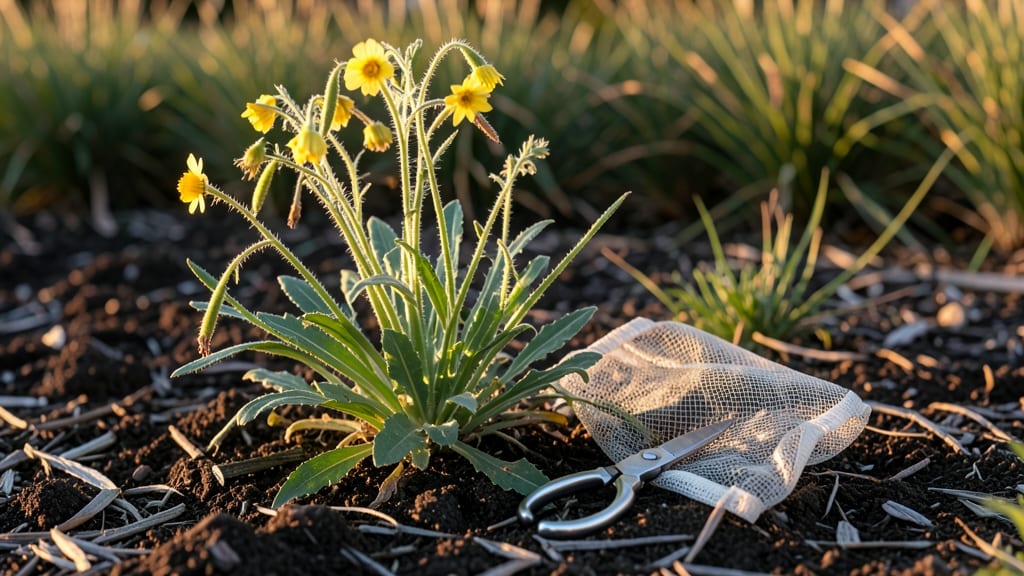
Harvesting evening primrose seeds at the right time 🌸 ensures strong plants next year—but one wrong move can ruin your whole batch.
Evening primrose seeds are a gardener’s secret weapon for propagating vibrant, hardy plants—but timing and technique make all the difference. Miss the harvest window, and you’ll lose your chance to grow next year’s blooms, while improper handling can ruin seed viability.
You’ll need to watch for brown, splitting pods between August and October in USDA Zone 6a, then collect them before they burst open on their own. The difference between a thriving garden and wasted effort comes down to these simple steps.
Here’s exactly how to collect, dry, and store evening primrose seeds like a pro—so you can replant with confidence.
The perfect time to harvest evening primrose seeds for maximum viability
Timing is everything when harvesting evening primrose seeds. These delicate seeds lose viability fast once pods mature, so knowing when to harvest ensures you collect high-quality seeds for next year’s garden.
The ideal harvest window spans late summer to early fall, typically between August and October, depending on your USDA zone.
Seed pods start green and firm but transform into dry, brown capsules when ready. A gentle squeeze should reveal dark, dry seeds inside—this is your cue to act.
Missing this window means seeds scatter naturally, reducing your yield. Let’s break down the exact signs to watch for and how weather plays a role.
| Sign | Description | Action |
|---|---|---|
| Pod Color | Green → Dry brown | Harvest when 70-80% brown |
| Texture | Crispy and papery | Gently crush to check for dry seeds |
| Sound | Rattling inside | Shake pods—seeds should rattle |
| Opening | Pods begin to split | Collect before seeds scatter |
| Weather Impact | Dry, sunny days speed ripening | Harvest on dry mornings after dew evaporates |
Weather conditions drastically affect seed quality. Humid or rainy periods can cause premature pod splitting, leading to seed loss or mold. Aim to harvest on dry, sunny mornings when pods are fully mature but haven’t yet released seeds.
If rain is forecasted, prioritize harvesting to avoid damp seeds, which spoil quickly.
Evening primrose thrives in USDA zones 3-9, but local climate matters. In cooler zones, pods may ripen later, while warmer climates speed up the process. Monitor your plants weekly in late summer—this is when most pods transition from green to brown.
Pro tip: Mark a few pods with flags to track ripening progress.
Harvesting too early is a common mistake. Green or half-brown pods contain underdeveloped seeds with low viability. Wait until at least 70% of pods show brown hues. Overripe pods release seeds naturally, so act before they split open. Patience here ensures you collect high-germination seeds for next season.
Seed viability drops rapidly after pods mature. Once collected, store seeds in a cool, dry place (like a paper envelope) for up to 2 years. Label them with the harvest date to track freshness.
For best results, sow seeds within 6 months—older seeds germinate more slowly. This careful timing ensures your evening primrose thrives year after year.
If you’re growing evening primrose for medicinal or culinary uses, timing matters even more. Fully ripe seeds contain the highest concentration of gamma-linolenic acid (GLA), a prized omega-6 fatty acid.
Harvesting at peak maturity guarantees the best yield for supplements or teas. Always prioritize dry, mature pods for optimal benefits.
For gardeners in cooler climates, extend the harvest window by protecting plants with row covers. This delays frost and gives pods extra time to mature.
In hotter zones, pods may ripen faster—monitor daily to avoid missing the window. Adjust your schedule based on local conditions to maximize seed success.
Finally, avoid harvesting seeds from overcrowded plants. Healthy, well-spaced evening primrose produces larger, more viable seeds. Thin plants early in the season to ensure pods develop properly. With the right timing and care, you’ll enjoy a bountiful harvest of high-quality evening primrose seeds every year.
Step-by-step evening primrose seed collection: tools and techniques
Harvesting evening primrose seeds at the right time ensures high seed viability and healthy plants next season. The key lies in using the right harvesting tools and techniques to avoid damaging the delicate seed pods or contaminating your seeds.
Whether you’re a beginner or a seasoned gardener, these steps will help you collect seeds efficiently while preserving their quality.
Before you begin, gather your essential tools: a pair of clean pruning shears, gardening gloves to protect your hands, and brown paper bags for drying. You’ll also need a flat surface to spread the pods and a small fan or well-ventilated area to speed up the drying process.
Skipping these tools can lead to moldy seeds or lost harvests, so don’t overlook them!
Look for brown, dry pods that are beginning to split open naturally. Press gently—if the pod crushes easily, it’s ready for harvest. Avoid green or firm pods, as they won’t yield viable seeds.
Use clean pruning shears to snip the seed pods from the stem, leaving a small portion attached. Alternatively, hand-pick pods if they’re easily accessible. Place them immediately into your paper bags to prevent seed loss.
Spread the pods on a flat surface in a well-ventilated area away from direct sunlight. Use a small fan to circulate air and speed up drying, which typically takes 1-2 weeks. Ensure pods are completely dry before handling seeds.
Once dry, crush the pods gently by hand or with a rolling pin to release the seeds. Sift through the debris to separate the dark, plump seeds from chaff. Discard any seeds that appear discolored or shriveled.
Place the seeds in a sealed, airtight container with a silica gel packet to absorb moisture. Label the container with the harvest date and store it in a cool, dark place (like a fridge) for up to 3 years.
Proper seed storage is crucial for maintaining germination rates. Even the best-harvested seeds can spoil if stored in humid conditions or exposed to temperature fluctuations. Always use airtight containers and avoid plastic bags, which trap moisture and encourage mold growth.
A small investment in seed storage solutions pays off with healthier, more reliable plants.
Once your seeds are stored, you’re ready to plant evening primrose next spring. For best results, sow seeds directly in well-draining soil after the last frost date. Evening primrose thrives in full sun and moderate moisture, making it a low-maintenance addition to any garden.
With your freshly harvested seeds, you’ll enjoy vibrant blooms year after year!