
How To
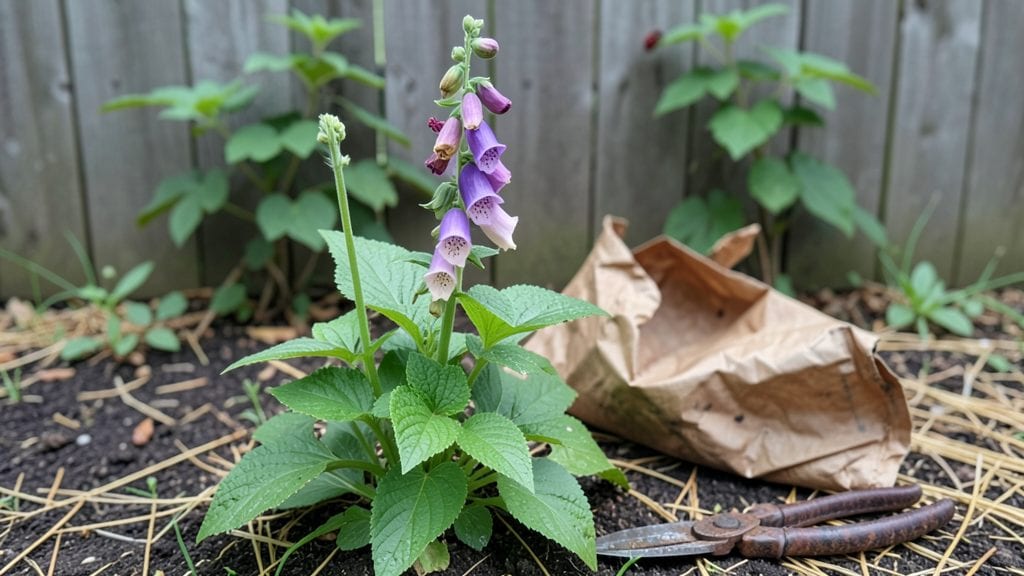
Harvesting foxglove 🌸 seeds is the secret to growing next year’s towering blooms—but timing and technique make all the difference.
Foxglove’s striking bell-shaped flowers are a garden showstopper, but their seed collection is an often-overlooked step to ensure next year’s stunning blooms—here’s how to do it right.
If you’ve ever waited too long and missed the late summer window, you know how quickly those seed pods dry out. The key is catching them at the perfect stage—when they turn brown and start splitting open—so you don’t end up with empty shells.
In this guide, I’ll walk you through when to harvest, the tools you’ll need, and how to store seeds properly for the best germination rates. No guesswork, just foolproof results.
When to harvest foxglove seeds for maximum germination success
Timing is everything when harvesting foxglove seeds—collect them too early, and you’ll end up with non-viable seeds. Too late, and they’ll scatter naturally, wasting your effort.
The key is watching for seed pod maturity, which typically occurs 8-10 months after planting, usually in late summer to early fall (August-September in most USDA zones).
Foxglove flowers bloom in spring and early summer, but the real magic happens after flowering when seed pods form. These pods start green and firm but gradually turn brown and papery as they mature.
The best time to harvest is when 70-80% of pods are fully brown and brittle to the touch, often just before they begin splitting open naturally.
Your local climate plays a huge role in timing. In warmer zones (7-10), pods may mature faster, while cooler zones (3-6) might need an extra 2-4 weeks. Always prioritize dry, sunny weather for harvesting—wet conditions can cause mold or premature seed release.
Healthy plants produce the best seeds, so avoid harvesting from foxgloves that show signs of disease, pests, or nutrient deficiency. Weak plants may yield low-quality seeds with poor germination rates. Look for vibrant green foliage and fully developed flowers before focusing on seed pods.
Here’s a quick reference to help you spot the perfect moment:
| Stage | Visual Cues | Action | Timing |
|---|---|---|---|
| Early Pod Formation | Green, firm pods | Monitor weekly | June-July |
| Mid-Maturity | Brown but still closed | Check for rattling | July-August |
| Optimal Harvest | Fully brown, brittle, splitting | Harvest immediately | August-September |
| Late Harvest | Pods fully open, seeds scattered | Collect remaining seeds | September-October |
If you miss the optimal window, don’t panic—late-harvested seeds can still work, but germination rates drop. In humid climates, pods may split open faster, so harvest earlier (around 70% maturity) to prevent seed loss.
Conversely, in dry areas, pods can stay closed longer, so wait until they’re completely brown and dry.
Pro tip: Shake a mature pod over a brown paper bag—if seeds rattle inside, it’s harvest time. This simple test saves you from guessing and ensures you’re collecting viable seeds ready for storage. Always wear gloves when handling foxglove, as all parts of the plant are toxic.
Environmental factors like rainfall and temperature can delay or speed up pod maturity. After a prolonged dry spell, pods may mature faster, while excessive rain can cause them to rot or split prematurely. Keep an eye on your plants and adjust your harvesting schedule accordingly.
Once you’ve identified the right moment, act quickly! Foxglove seeds can scatter within days of pods opening, so prioritize harvesting before 50% of pods split naturally. This ensures you’ll have enough seeds for next year’s garden and reduces the risk of losing them to wind or wildlife.
Remember, the goal is to preserve seed viability for successful germination. By harvesting at the right stage and storing seeds properly, you’ll be well on your way to growing new foxglove plants that rival your original blooms—just with the added satisfaction of knowing you grew them from seed!
Step-by-step guide to collecting and storing foxglove seeds properly
Collecting foxglove seeds is your ticket to next year’s garden showstoppers, but timing and technique make all the difference. Digitalis seeds require careful handling—harvest too early, and you’ll lose viability; wait too long, and seeds scatter unpredictably.
The key lies in recognizing the perfectly ripe seed pods and processing them correctly to preserve those tiny but mighty seeds.
Foxglove’s seed pods start green and firm but transform into brittle, brown husks when ready. These pods often split open naturally, releasing seeds—so act quickly once you spot them. Proper drying and storage will ensure your seeds remain viable for planting.
Let’s walk through the exact steps to maximize your foxglove seed harvest and store them like a pro.
After harvesting, foxglove seeds need a cool, dark, and dry environment to maintain viability. Store them in paper envelopes or breathable containers—plastic traps moisture and reduces germination rates.
Label each envelope with the harvest date and variety to track freshness, as seeds typically remain viable for 1-2 years under ideal conditions.
One critical mistake gardeners make is skipping the drying process, which leads to moldy seeds. Always ensure pods are 100% dry before handling. Another pitfall is storing seeds in sealed containers, which creates condensation.
Instead, opt for open weave bags or envelopes to allow airflow while keeping pests out.
Pro tip: Stratify seeds for 4-6 weeks in the fridge before planting to mimic winter conditions and boost germination rates. This simple step can double your success rate when sowing foxglove seeds in spring.
With these methods, you’ll be ready to grow next year’s foxglove blooms from your own homegrown seeds!
🌱