
How To
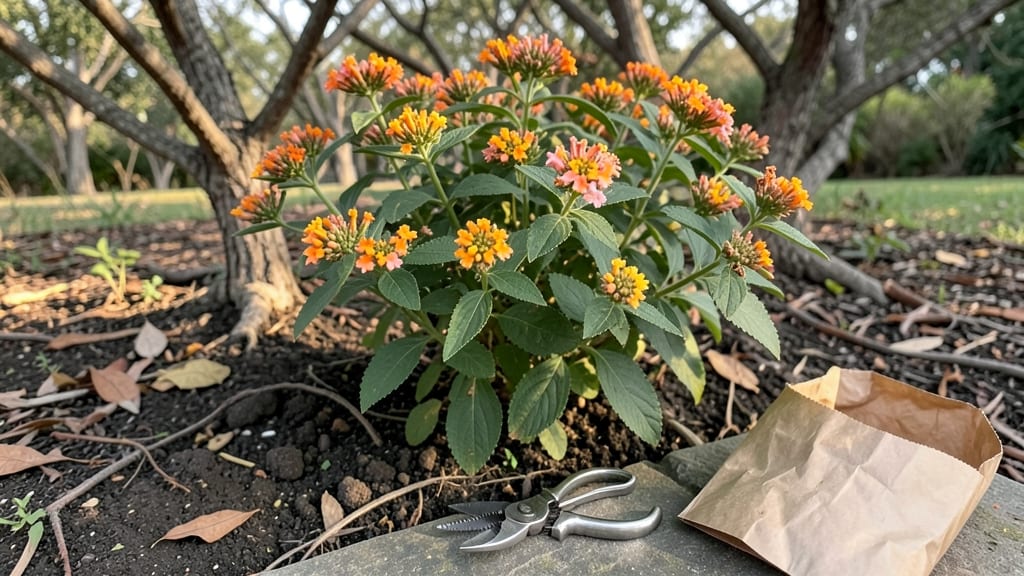
Harvesting lantana seeds 🌺 is the easiest way to multiply your favorite plants for free—just wait for the right moment and follow a few simple steps.
Struggling to propagate your lantana plants year after year? Harvesting seeds is the secret to growing a thriving lantana garden with minimal cost—and it’s easier than you think!
Late summer and fall are the prime windows to collect seeds, when the flower heads turn brown and crumble at a touch. The key is patience—wait until the pods dry completely to avoid moldy or nonviable seeds.
In this guide, I’ll walk you through exactly when to harvest, how to tell when seeds are ready, and the best storage tricks to keep them viable until next spring.
Best time to harvest lantana seeds for maximum germination success
Timing is everything when harvesting lantana seeds, and getting it right ensures high germination rates for next year’s plants. The best window is late summer to early fall, when flower heads transition from vibrant blooms to dry, papery clusters.
Missing this critical stage means collecting seeds that won’t sprout—or worse, attracting pests like ants or mold. Let’s break down exactly when and how to spot ripe lantana seeds for optimal success.
Lantana flowers typically bloom from spring through summer, but seeds only mature after the blooms fade. Watch for color changes: healthy flowers start yellow, orange, or pink, but ripe seeds appear in brown, dried clusters. If you harvest too early, seeds remain soft and won’t survive storage.
Conversely, waiting too long risks seed loss to weather or wildlife. The ideal harvest time is when flower heads turn completely brown and begin to crumble at the touch.
Environmental factors like temperature and humidity also play a role. In USDA Zone 6a (or warmer), seeds mature faster in dry, warm conditions—perfect for late summer. However, if your climate stays damp, seeds may mold before you harvest.
Always check weather forecasts and aim to collect seeds during dry, sunny days to preserve viability.
Here’s how to identify ripe lantana seeds with confidence:
- Flower heads turn brown and papery – No green or fresh petals remain.
- Seeds rattle inside clusters – Gently shake a dried head; you’ll hear seeds moving.
- Clusters crumble easily – A mature head should break apart with light pressure.
- No new blooms appear – The plant has shifted from flowering to seed production.
Pro tip: Use a magnifying glass to inspect seeds up close. Ripe seeds should be hard and dry, not sticky or moist. If you see green or white inside the clusters, wait a few more days—they’re not ready yet.
Harvesting at the right time isn’t just about seed quality; it’s also about avoiding common pitfalls. For example, if you collect seeds too early, they’ll spoil in storage.
If you wait too late, they might scatter on the ground or attract pests. The sweet spot is when flower heads are fully dried but haven’t yet released seeds naturally.
One key environmental factor to monitor is humidity levels. High humidity can cause seeds to mold before you harvest, while low humidity speeds up drying. In dry climates, seeds may mature faster, while humid regions might require more patience.
Always store harvested seeds in a cool, dry place (like a sealed container with silica gel) to prevent moisture damage.
For gardeners in cooler climates (Zone 6a or below), aim to harvest seeds before the first frost. Lantana is not frost-tolerant, and cold temperatures will kill the plant—and any remaining seeds.
If frost is forecasted, collect seeds at least 2 weeks early to ensure they have time to dry properly indoors.
Once you’ve identified ripe seeds, act quickly! Use clean, dry scissors or your hands to snip or pluck the dried flower heads. Place them in a paper bag (not plastic) to allow airflow while they finish drying. Avoid plastic bags—condensation can ruin seeds overnight.
Remember: Patience pays off. Rushing the harvest leads to poor germination, but waiting too long risks losing your seeds entirely. With the right timing and care, you’ll have a bountiful supply of lantana seeds ready for next spring’s planting!
🌾
Now that you know the perfect timing for harvesting lantana seeds, your next step is proper drying and storage. Skipping this can lead to moldy or non-viable seeds, so stay tuned for my next guide on collecting and storing seeds like a pro.
Trust me, your future lantana plants will thank you!
🌺
Step-by-step guide to collecting and storing lantana seeds properly
Harvesting lantana seeds at the right time ensures high germination rates and saves you money by avoiding new plant purchases. The key is patience—wait until the flower heads are fully dried and seed pods are ready to release.
With the right tools and techniques, you’ll have a stash of seeds ready for next year’s garden.
Before you begin, gather a few essential harvesting tools: a pair of clean pruning shears, a small paper bag or envelope for collection, and a drying tray lined with parchment paper.
Avoid plastic bags, as they trap moisture and encourage mold growth. Once your lantana seeds are ready, follow these steps to ensure they stay viable for planting.
How to Harvest Lantana Seeds
- Step 1: Identify Mature Seed Pods Look for brown, papery flower heads that crumble easily when touched. These dried clusters contain ripe seeds ready for harvest. Avoid green or partially open heads—they won’t yield viable seeds.
- Step 2: Cut or Twist Off Clusters Use clean pruning shears to snip the dried flower heads or gently twist them off the stem. Place them in a paper bag to prevent seeds from scattering. Work on a dry day to avoid moisture buildup.
- Step 3: Separate Seeds from Chaff Spread the dried clusters on a tray lined with parchment paper and gently rub them between your fingers or a sieve. This removes husks and debris, leaving clean lantana seeds behind. Discard any remaining plant material.
- Step 4: Dry Seeds Further (If Needed) If seeds feel slightly damp, spread them in a single layer on the tray and let them dry in a warm, dry place for 3–5 days. Avoid direct sunlight, which can overheat and damage the seeds.
- Step 5: Store Seeds Properly Transfer dried seeds to an airtight container like a glass jar or envelope with a silica gel packet to absorb moisture. Label the container with the harvest date and store it in a cool, dark place (like a pantry).
Storing lantana seeds correctly is just as important as harvesting them. Moisture is the enemy—even slight humidity can trigger mold or reduce germination rates. Use airtight containers and avoid plastic, which traps moisture.
With proper storage, your seeds can remain viable for 1–2 years, giving you plenty of time to grow new plants.
When you’re ready to plant, soak the seeds in warm water for 24 hours to break dormancy. Sow them in a well-draining mix and keep the soil lightly moist until sprouts appear.
With these steps, you’ll have a head start on next year’s lantana garden—all from seeds you harvested yourself! 🌱