How To
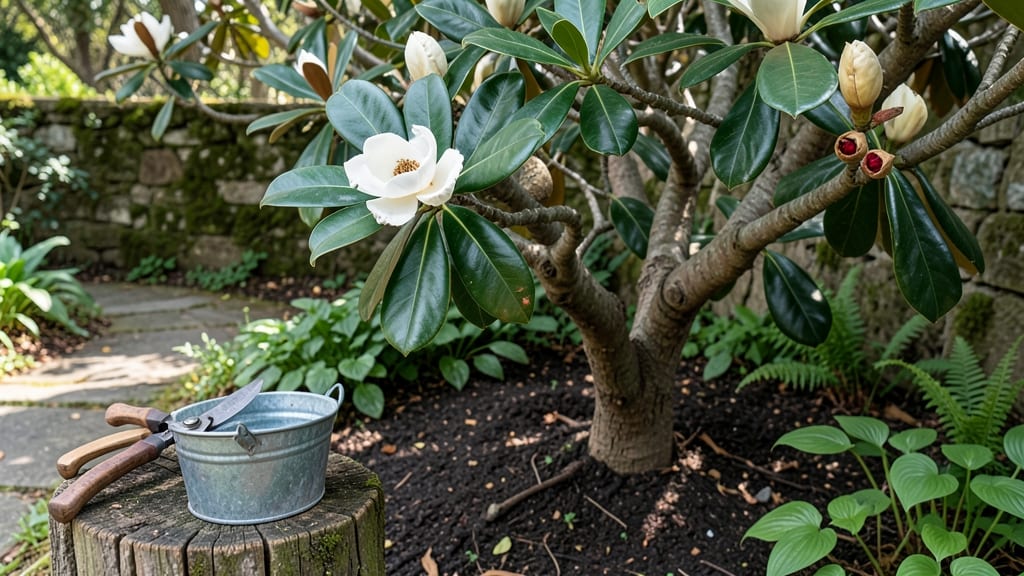
Harvesting magnolia seeds at the right time ensures strong germination and healthy growth for your future 🌸 tree.
Magnolia seeds hold the promise of growing a stunning tree in your garden—but timing and technique are everything. Harvest them too early, and you risk poor germination; wait too long, and they may never sprout.
Knowing when those seed pods turn brown and split open is the key to success. Late fall through winter is your window, but missing it means lost potential.
Here’s how to spot the perfect moment, extract the seeds safely, and store them for planting—so you can grow a magnolia that thrives for decades.
When to harvest magnolia seeds for maximum germination success
Harvesting magnolia seeds at the right time is the difference between a thriving tree and wasted effort. These seeds need precise timing—collect them too soon, and they won’t germinate; wait too long, and they may lose viability.
The key lies in watching for seed pod maturity and understanding your regional climate to time your harvest perfectly.
Magnolia seed pods mature over 6 to 12 months after flowering, typically between late fall and winter. In most regions, this means harvesting between October and January, but warmer climates (like USDA Zone 8+) may extend this window into early spring.
The pods must be fully brown and dry—never harvest when they’re still green or partially closed.
Here’s what to look for: uniform brown pods that split open naturally, revealing dark, plump seeds inside. If you shake the pod and seeds rattle freely, that’s your cue. If the pod is still firm or seeds are shriveled, wait a few more weeks.
Ignoring these maturity indicators can lead to poor germination rates, even if you follow all other steps perfectly.
Regional climate plays a huge role. In cooler northern zones (6-7), pods often mature by December, while in warmer southern zones (8-9), they may not be ready until February or March.
Pay attention to first frost dates—if frost hits before pods mature, they may rot on the tree. Always harvest before heavy rains or freezing temperatures, which can damage seeds.
Timing also depends on the magnolia variety. Southern magnolias (Magnolia grandiflora) often produce seeds earlier than saucer magnolias (Magnolia soulangeana). If you’re unsure, observe a few pods on the tree—once 70-80% are brown and splitting, it’s time to act.
Pro tip: Mark a few pods with twine to track their progress over weeks.
Never harvest seeds from pods that have already fallen to the ground. Ground contact reduces viability, and fallen pods are often infested with pests. Instead, collect pods directly from the tree using pruning shears or gloves.
Place them in a paper bag to dry further indoors for 1-2 weeks before processing. This drying step mimics natural conditions and improves germination success.
One common mistake is assuming all pods on a tree are ready at the same time. Some may mature weeks before others, so check multiple branches. If you’re harvesting in winter, work on dry days to avoid moisture damage.
Store harvested pods in a cool, dry place (like a seed envelope in the fridge) until you’re ready to extract the seeds—this preserves their dormancy requirements for spring planting.
For best results, aim to plant magnolia seeds within 2-3 months of harvest. Seeds lose viability over time, so don’t stockpile them for years. If you must store them longer, keep them in a sealed container with silica gel to prevent mold.
Always label your seeds with the harvest date—this helps you track freshness and prioritize planting the oldest seeds first.
Understanding these timing factors ensures you’re ready when the pods mature. The next step? Learning how to safely extract and process those seeds—because even the best-timed harvest won’t help if you damage the seeds during handling.
Stay tuned for my step-by-step harvesting guide to avoid common pitfalls and maximize your germination rates.
🌱
| Maturity Indicator | What to Look For | Best Harvest Window | Regional Notes |
|---|---|---|---|
| Pod Color | Uniform brown (no green) | October–January | Cooler zones: Dec–Jan; warmer zones: Feb–Mar |
| Pod Texture | Dry, papery, splits open | After first frost | Avoid harvesting after heavy rain |
| Seed Appearance | Dark, plump, no shriveled seeds | Within 2 weeks of pod opening | Southern magnolias mature faster |
| Pod Drop Test | Seeds rattle when shaken | Before ground contact | Harvest before pests infest |
| Climate Factor | No frost damage to pods | Adjust 2–4 weeks early/late | Zone 8+: Extend to March |
Now that you know when to harvest, let’s talk about how to handle those seeds once they’re in your hands. The next section covers safe extraction techniques, cleaning methods, and storage tips to keep your seeds viable until planting season.
Trust me, skipping these steps can drastically reduce your germination rates—so don’t miss it!
🌿
Step-by-step guide to harvesting and processing magnolia seeds
Harvesting magnolia seeds at the right time ensures high germination rates and healthy seedlings. The key is patience—waiting for the seed pods to fully mature and dry is crucial.
Once you spot brown, dry pods that open naturally, you’re ready to collect. But rushing the process can lead to underdeveloped seeds that won’t sprout, so timing is everything.
Before you begin, gather your tools: a pair of clean pruning shears, a bucket or paper bag for collection, and a damp cloth for cleaning seeds later.
Work on a dry, sunny day to avoid moisture-related issues. If you miss the harvest window, don’t worry—magnolia trees produce seeds annually, giving you another chance next season.
How to Harvest Magnolia Seeds
-
Step 1: Identify Mature Pods
Look for brown, dry seed pods that are splitting open naturally. Avoid green or partially green pods—they’re not ready yet. -
Step 2: Gently Collect Pods
Use pruning shears to snip pods from the tree, or shake them into a bucket if they’re already loose. Place pods in a paper bag to prevent moisture buildup. -
Step 3: Extract the Seeds
Once pods are fully dry (after a few days indoors), open them carefully. Remove the dark, plump seeds and discard any shriveled or discolored ones. -
Step 4: Clean the Seeds
Rinse seeds under lukewarm water to remove debris, then pat dry with a paper towel. Let them air-dry completely before storage. -
Step 5: Store for Germination
Place cleaned seeds in a paper envelope or airtight container with a moist paper towel to maintain humidity. Store in the fridge (35-40°F) for 3-6 months to break dormancy.
After collecting, test a few seeds for viability by placing them in a warm, moist environment for a week. If they sprout, you’re ready to plant the rest. If not, try storing them longer or adjusting the moisture levels. Remember, patience is key—magnolia seeds can take months to germinate.
Once your seeds are ready, plant them in well-draining, acidic soil (pH 4.5-6.0) and keep the soil consistently moist but not waterlogged. Young seedlings thrive in partial shade and benefit from a mulch layer to retain moisture and regulate soil temperature.
With the right technique, you’ll soon have healthy magnolia seedlings ready to grow into stunning trees. Happy harvesting! 🌱