Vegetables
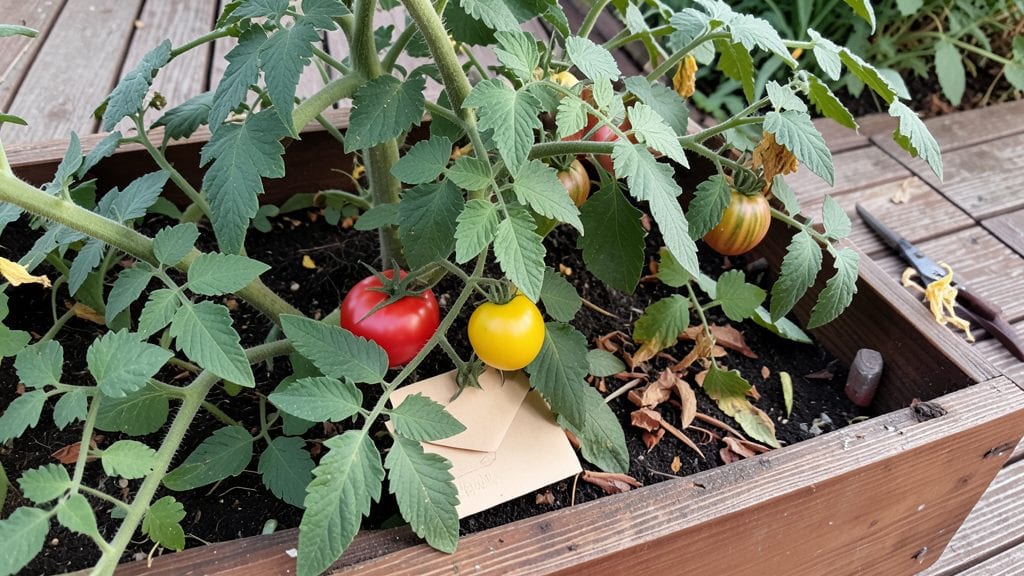
Saving heirloom tomato seeds is how you keep those rare, flavor-packed varieties alive for generations—no fancy equipment needed. 🌱 Last summer, I pulled seeds from a 1940s heirloom called 'Brandywine' that my great-grandmother grew, and now I’m passing them on.
The process is simpler than it seems: pick the ripest tomatoes, ferment the seeds to separate them from the gel, then dry and store them properly.
You’ll need just a few things: ripe heirloom tomatoes, a jar or bowl, water, a fine-mesh strainer, and paper towels for drying. The fermentation step—letting the seeds sit in water for 2-3 days—is where the magic happens.
It breaks down the gel that clings to seeds, making it easy to scoop out the good ones and discard the floaters (those won’t grow).
Once dried, your seeds will be ready for storage in an airtight container in a cool, dark place. They’ll stay viable for years, waiting to grow into plants just like the ones you loved this season.
The best part? You’ll never have to buy seeds again for these exact varieties, and you’ll be preserving a piece of gardening history.
Troubleshooting is easy—mold? Too long in the jar. Seeds not germinating? They might’ve dried too fast. But with these steps, you’ll end up with seeds that sprout reliably, year after year. Ready to start your own heirloom legacy?
📚 In This Guide
- What you need
- Instructions
- Tips and common mistakes
- Wrapping up and next steps
What you need
- ● Mature heirloom tomatoes – Choose fully ripe, disease-free fruits (at least 3-5 per variety for better odds).
- ● Small bowls or containers – 1-2 shallow dishes (glass or ceramic preferred) for fermenting seeds.
- ● Water – Enough to cover seeds by 1-2 inches (distilled or dechlorinated if possible).
- ● Fine-mesh strainer or sieve – A kitchen strainer with 0.04-inch (1mm) holes works great.
- ● Paper towels or coffee filters – For drying seeds (unbleached, if possible).
- ● Small paper envelopes or seed packets – 3x5-inch envelopes labeled with variety names and dates.
- ● Permanent marker or labels – To mark seed packets clearly.
- ○ Fine-tip tweezers (optional but helpful) – For handling tiny seeds without contamination.
- ● Plastic spoon or butter knife – For scooping out tomato gel and seeds.
- ● Rubbing alcohol (70% isopropyl) – To sterilize tools and surfaces if working with multiple varieties.
- ● Desiccant packets or silica gel – For long-term seed storage (keeps humidity low).
- ● Seed catalog or notebook – To log varieties, germination rates, and growing notes.
- ○ Glove (optional) – If you’re sensitive to tomato pulp or mold spores.
Step-by-Step instructions for saving heirloom tomato seeds
Here’s the method I’ve used for years to preserve seeds from my best tomato varieties—simple, reliable, and perfect for next season.
🌱 Step 1: Select and Harvest Ripe Tomatoes
Pick tomatoes that are fully ripe and slightly overripe—this ensures seeds are fully mature and ready for processing. Look for deep color and a soft give when gently squeezed. Avoid any tomatoes that show signs of rot or disease, as contaminated seeds won’t grow properly.
Cut the tomato open and scoop out the gel-like pulp and seeds into a small bowl. I like to use a spoon to scrape every last bit from the flesh, but don’t worry if a few seeds stick—they’ll still work. The gel contains enzymes that help break down the seed coating, so it’s important to include it.
💧 Step 2: Ferment the Seeds for 3-5 Days
Add enough water to the bowl to cover the seeds and gel completely. Stir well, then let the mixture sit at room temperature for 3-5 days. You’ll see bubbles form and a moldy scum develop on top—this is normal and part of the fermentation process that removes the gel and weak seeds.
Stir the mixture once a day to keep the seeds suspended and prevent mold from taking over. After 3-5 days, when the seeds sink to the bottom and the liquid above is mostly clear, it’s time to rinse them. This step ensures only the strongest, most viable seeds remain.
⏰ Step 3: Rinse and Dry the Seeds
Pour the mixture through a fine-mesh strainer or cheesecloth to separate the seeds from the remaining gel and debris. Rinse the seeds under cool water until the water runs clear. Spread them out on a paper towel or seed-saving screen in a single layer, making sure they aren’t touching.
Place the seeds in a warm, dry spot with good airflow, like a sunny windowsill or a seed dehydrator set to 70-80°F. They’re ready when they’re completely dry and brittle—this usually takes 5-7 days. Test a few seeds by gently crushing one between your fingers; if it crumbles easily, they’re ready for storage.
🪴 Step 4: Store Seeds Properly for Next Season
Transfer the dried seeds into a small envelope or airtight container. Label it with the tomato variety and the year—trust me, you’ll forget otherwise! Store the seeds in a cool, dark place, like a pantry or seed vault. Under these conditions, heirloom tomato seeds can stay viable for 3-5 years, though germination rates drop slightly over time.
Here’s the thing—don’t overpack the container. A little extra space prevents moisture buildup, which can cause mold. If you’re saving multiple varieties, keep them separate to avoid cross-contamination. Now you’re ready to grow next year’s tomatoes with seeds from your very own garden!
Tips & tricks for perfect heirloom tomato seed saving
Saving heirloom tomato seeds is easier than you think—here are the little details that make all the difference between good seeds and great ones.
Tomato Selection Matters: In Step 1, don't just pick any ripe tomato—look for ones that are slightly overripe with deep color. The seeds need to be fully mature for best germination. I've learned the hard way that underripe tomatoes produce seeds that won't sprout properly. Also, avoid hybrid tomatoes—they won't produce true seeds like heirlooms do.
Fermentation is Key: During the 3-5 day fermentation in Step 2, you'll notice a moldy scum forming—that's normal! This scum contains weak seeds and gel that need to be removed. Stirring once daily prevents mold from taking over completely. If you see too much mold, simply skim it off rather than discarding the whole batch. The clear liquid above the settled seeds is your signal they're ready for rinsing.
Drying Technique: In Step 3, spreading seeds on a paper towel or screen is crucial for even drying. I've found that using a seed dehydrator at 70-80°F works best, but a sunny windowsill works too. The seeds are ready when they're completely dry and brittle—this usually takes 5-7 days. If you're impatient, you can speed up drying by placing seeds in a warm, dry spot with good airflow, like near a vent or in a warm closet.
Storage Wisdom: When storing your seeds in Step 4, don't overpack the container. A little extra space prevents moisture buildup, which can cause mold. I like to use small envelopes with the tomato variety and year clearly labeled. Store them in a cool, dark place like a pantry or seed vault. Remember, properly stored heirloom tomato seeds can stay viable for 3-5 years, though germination rates decrease over time.
Pro Tips for Save Heirloom Tomato Seeds
- Saving heirloom tomato seeds is easier than you think—here are the little details that make all the difference between good seeds and great ones.
- Tomato Selection Matters: In Step 1, don't just pick any ripe tomato—look for ones that are slightly overripe with deep color.
- Fermentation is Key: During the 3-5 day fermentation in Step 2, you'll notice a moldy scum forming—that's normal!
Frequently asked questions
Got questions about saving heirloom tomato seeds? You’re not alone! Here are answers to the most common concerns—from timing to troubleshooting—to help you master the process with confidence.
How do I know when my heirloom tomatoes are ready to save seeds?
Pick tomatoes that are fully ripe, overripe, or even slightly rotten (). The best candidates are those with visible cracks or soft spots, as they’ve reached peak seed maturity. Avoid green or underripe tomatoes—they won’t yield viable seeds.
Can I save seeds from hybrid tomatoes, or do I need heirloom varieties?
Nope! Hybrid tomatoes (like ‘Better Boy’ or ‘Early Girl’) won’t produce true-to-type seeds—you’ll get a mix of traits. Stick to heirloom varieties (e.g., ‘Brandywine,’ ‘Sungold’) for reliable, predictable seeds year after year.
What if my saved seeds smell bad or mold grows during fermentation?
That’s normal! Fermentation releases enzymes that break down the fruit’s gel, but a funky smell or mold (usually Rhizopus) means it’s working. Just skim off moldy bits, rinse seeds gently, and proceed—your seeds are likely fine. Always use clean tools to avoid contamination.
How long can I store saved tomato seeds before planting?
Properly dried and stored seeds stay viable for 3–5 years in a cool, dark place (like a sealed jar in the fridge or freezer). Label them with the variety and date! For best results, plant within 1–2 years for optimal germination.
What if my seeds don’t germinate? Did I do something wrong?
Don’t panic! Low germination could mean:
- Seeds weren’t fully dried (test a few on paper towels first).
- Storage conditions were too warm/humid (moisture = mold).
- Old seeds (past 5 years) may lose viability.
Wrapping up and next steps
Saving heirloom tomato seeds is a rewarding way to preserve garden treasures and ensure next year’s harvest stays true to your favorite flavors!
By following these simple steps—ripening tomatoes fully, fermenting seeds, cleaning and drying them properly—you’ll unlock a sustainable, cost-effective way to grow heirloom varieties for years to come. 🌱
Now that you’re equipped with the know-how, why not label your seed packets with details like variety, harvest date, and growing conditions? This small step will make next season even smoother—and who knows? You might just inspire others to join the heirloom seed-saving movement! 🌟