Flowers
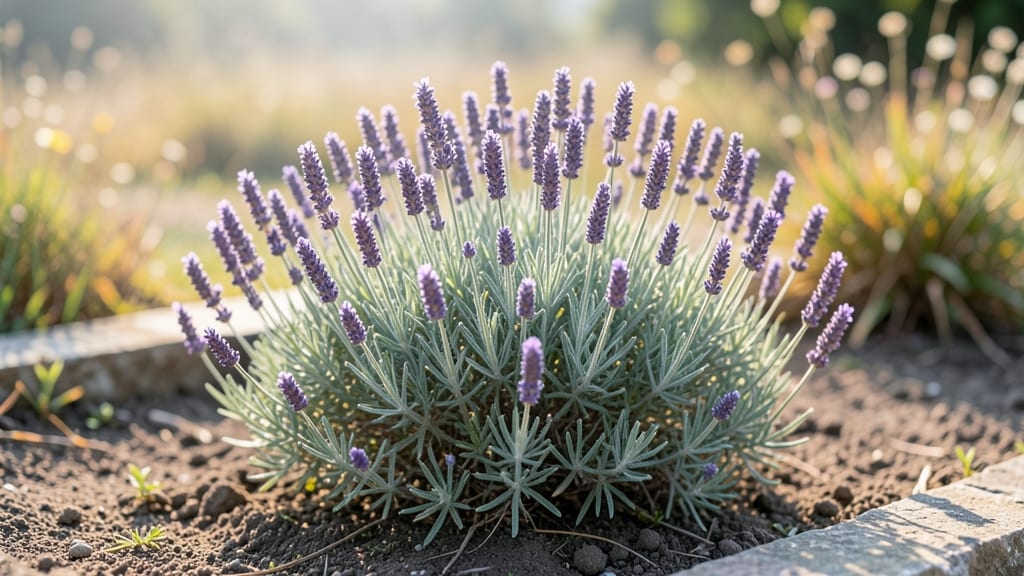
The identification of a lavender seedling begins with those tiny, narrow leaves—little gray-green needles—nothing like the broad leaves of rosemary or sage. 🌿 I’ve spent years sorting through seedlings, and the first thing I check is the stem color.: healthy lavender stems are a soft green with a faint purple tint, while weak seedlings turn yellow or brown at the base.
True lavender seedlings grow in a tight rosette, with leaves spaced closely together and pointing upward. If you see fuzzy white hairs on the stems or leaves, that’s a good sign—it’s a dead giveaway for lavender.
Compare them to lookalikes like oregano or thyme, which have wider, flatter leaves and spread out differently.
Seedlings from seeds and cuttings differ slightly: seed-grown plants start smaller and slower, while cuttings often sprout faster with slightly thicker stems. Watch for stunted growth or leaves that curl inward—those are signs of stress, not true lavender. Healthy seedlings should stand upright and feel firm when touched.
Once you spot the right clues, you’ll know exactly which seedlings to nurture. The key is patience—lavender takes time to mature, but the payoff is worth it. Let’s break down the details so you can tell them apart with confidence.
Mistakes Behind Misidentifying Seedlings
Identifying lavender seedlings correctly can be tricky, especially when their early growth stages mimic other plants. Understanding the root causes helps you spot errors before they become costly. Here’s why misidentification happens—and how to avoid it.
---
Young lavender seedlings often lack the signature gray-green foliage and square stems that define mature plants. Instead, they may appear: - Too soft or fuzzy (resembling rosemary or sage seedlings). - Stunted with narrow leaves (mistaken for thyme or oregano). - Slow to develop aromatic scent (a key lavender trait).
Why it happens: Lavender’s secondary metabolites (like linalool and linalyl acetate) develop slowly. Seedlings under 4–6 weeks old may lack the distinctive fragrance and woody texture of adult plants. Without these cues, beginners rely on leaf shape alone—leading to errors.
Actionable fix: - Wait for 6–8 weeks before attempting identification. - Crush a leaf between fingers—true lavender releases a sweet, floral scent even in seedlings (though faint). - Compare side by side with a known lavender plant (e.g., Lavandula angustifolia) to spot subtle differences.
---
Seedlings grown in high humidity, poor drainage, or low light develop abnormal traits that throw off identification.
For example: - Yellowing leaves (could signal nutrient deficiency or root rot, not lavender’s natural color). - Elongated stems (a stretch response to lack of sunlight, making them look like mint or basil). - Dark green or purple-tinged leaves (a sign of overwatering or cold stress, not lavender’s typical hue).
Why it happens: Lavender is a drought-tolerant Mediterranean plant adapted to well-draining soil and full sun. When stressed, it reverts to survival mode, prioritizing stem elongation over leaf structure. This masks its true form.
Actionable fix: - Use a moisture meter—lavender soil should read dry to the touch between waterings. - Provide 6+ hours of direct sunlight daily (grow lights work for seedlings). - Repot in gritty, fast-draining mix (e.g., 60% potting soil + 40% perlite/sand).
---
Not all "lavender" seeds are pure Lavandula species.
Common pitfalls include: - Hybrid lavandin seeds (crosses like Lavandula × intermedia) grow taller with broader leaves, resembling rosemary. - Contaminated seed packets (some sellers mix lavender with lavender-like herbs like stevia or catmint). - Self-seeded weeds (e.g., selfheal or ground ivy) sprouting alongside true lavender.
Why it happens: - Seed companies prioritize hardiness over purity—some blends include easier-to-grow fillers to reduce costs. - True lavender seeds are slow to germinate (20–30 days), so impatient growers assume failures are "false starts" and replant with cheaper alternatives.
Actionable fix: - Buy from reputable suppliers (e.g., Baker Creek Heirloom Seeds, Richters) specifying "true lavender". - Start with cuttings from a confirmed lavender plant—grafting or propagation guarantees purity. - Test germination rates: If seeds sprout in <10 days, they’re likely not pure lavender (which takes weeks).
--- Lavender’s narrow, linear leaves (0.2–0.4 inches wide) are its defining trait—but beginners often misjudge due to: - Angle of light (leaves appear broader in shadow). - Juvenile vs. mature leaves (seedlings have rounder tips that sharpen with age). - Comparing to photos (digital images can distort proportions).
Why it happens: The human eye overestimates width in thin leaves, especially when tired or rushed. Studies show visual perception errors increase by 30% when identifying plants under stress (e.g., late-night gardening).
Actionable fix: - Use a ruler or caliper to measure leaf width—true lavender leaves are never wider than 1/4 inch. - Take a close-up photo and compare to a size reference chart (e.g., a penny for scale). - Examine the leaf edges: Lavender leaves have slightly rolled undersides and tiny serrations near the base.
Quick Fixes for Lavender Seedling Confusion
Identifying lavender seedlings can feel like solving a puzzle—especially when stems look fuzzy, leaves twist unexpectedly, or the plant resembles something entirely different. But don’t stress! With the right fixes, you’ll confidently spot (and grow) true lavender in no time.
Below, we break down common issues and their solutions, from quick tweaks to long-term prevention.
Problem: Your seedlings have narrow leaves, wiry stems, or no scent—classic signs of misidentification (e.g., wild mint, pennyroyal, or even a weed sprout). Fix It: 🔥 🌱 Step 1: Dig Deep (Literally) - Gently uproot the seedling and examine the root structure. True lavender has a thick, woody taproot (like a tiny carrot). Weeds often have fibrous or sparse roots. 🍳 👨🍳 Step 2: Smell Test - Crush a leaf between your fingers. Real lavender smells sweet, floral, and slightly medicinal. If it’s minty, citrusy, or has no scent, it’s not lavender. 🥘 🔪 Step 3: Prune or Remove - If it’s a weed, pull it out to avoid competition. If it’s a misidentified herb (like rosemary or thyme), transplant it elsewhere—lavender hates sharing space! Prevention Tip: 💡 Start with certified lavender seeds from reputable nurseries (e.g., Lavandula angustifolia or Lavandula x intermedia). Avoid "wild harvested" seeds, which often include contaminants. Problem: Your seedlings are tall, spindly, or pale green, stretching toward light like they’re desperate for sun. Fix It: 🔥 🌱 Step 1: Adjust Light Exposure - Lavender seedlings need 6–8 hours of direct sunlight daily. If indoors, place them near a south-facing window or use a grow light 12 inches away for 14–16 hours/day. 🍳 👨🍳 Step 2: Thin the Crowd - Overcrowding causes seedlings to compete for light. Space them 6–8 inches apart to encourage bushier growth. 🥘 ⏰ Step 3: Gradual Hardening Off - If seedlings were started indoors, acclimate them to outdoors over 7–10 days. Start with 1–2 hours of shade, then increase sun exposure daily. Prevention Tip: ✨ Use reflective surfaces (like white trays or mirrors) to bounce extra light onto seedlings. This mimics natural sunlight and boosts photosynthesis! Problem: Leaves turn yellow, brown, or curl at the edges—signs of overwatering, pests, or disease. Fix It: | Issue | Cause | Solution | |-------------------------|------------------------------------|------------------------------------------------------------------------------| | Yellow Lower Leaves | Overwatering or poor drainage | 🔥 Let soil dry completely between waterings. Use pots with drainage holes. | | Brown Tips | Underwatering or low humidity | 🍳 Water deeply but infrequently (1–2 times/week). Add a pebble tray for humidity. | | Curling Leaves | Spider mites or aphids | 🥘 Spray with neem oil (1 tsp per quart of water) or rinse with soapy water. | | Black Spots | Fungal disease (e.g., powdery mildew) | 🔪 Remove infected leaves and treat with baking soda spray (1 tsp baking soda + 1 quart water + drop of soap). | Prevention Tip: 💡 Water at the base (not overhead) to keep leaves dry and prevent fungal growth. Mulch with gravel (not organic mulch) to deter pests. Problem: Your "lavender" looks like rosemary, thyme, or oregano—all in the mint family but with key differences. Fix It: 🔥 🌱 Step 1: Compare Leaf Shapes - True lavender: Narrow, gray-green, fuzzy leaves (like tiny needles). - Rosemary: Needle-like but longer, with a pine-like scent. - Thyme/Oregano: Broad, flat leaves with a stronger, earthier aroma. 🍳 👨🍳 Step 2: Check the Stem - Lavender stems are square and woody when mature. Rosemary is round and flexible, while thyme is hairy and sprawling. 🥘 🔪 Step 3: Test the Soil pH - Lavender hates wet soil and prefers alkaline (pH 6.5–7.5). If your soil is acidic, amend with lime to prevent rot. Prevention Tip: 🎯 Grow lavender in containers with fast-draining soil (mix potting soil with perlite/sand). This keeps roots happy and weeds at bay!With these fixes, your lavender seedlings will grow strong, fragrant, and unmistakably lavender—no more guessing games! 🌸 For extra confidence, snap a photo and compare it to a lavender identification chart (like those from the International Lavender Association). Happy growing!
Frequently asked questions
How can I tell if my lavender seedling is healthy?
Healthy lavender seedlings have gray-green, fuzzy leaves with a tight rosette shape. Their stems should be soft green with a faint purple tint, and the leaves should feel firm when touched. If they’re yellowing, wilting, or have brown spots, they may be overwatered or diseased.
What’s the difference between lavender and rosemary seedlings?
Lavender seedlings have narrow, needle-like leaves (under 1/4 inch wide) with a slightly fuzzy texture. Rosemary seedlings have longer, thinner leaves (closer to 1/2 inch) and a pine-like scent when crushed. Lavender also grows in a compact rosette, while rosemary tends to stretch taller.
Why do my lavender seedlings smell weak or have no fragrance?
Young lavender seedlings (under 6–8 weeks) produce only a faint floral scent. Crush a leaf between your fingers—true lavender releases a sweet, herbal aroma, even in early stages. If there’s no scent, check for poor drainage, overwatering, or misidentification (e.g., thyme or oregano).
Can I identify lavender seedlings from seeds vs. cuttings?
Seed-grown lavender starts smaller and slower, with thinner stems and leaves that gradually sharpen. Cuttings sprout faster with thicker stems and may retain the parent plant’s traits more closely. Both should have the same fuzzy, narrow leaves, but cuttings often look more mature early on.
What should I do if my seedlings look like weeds?
Compare roots: true lavender has a thick, woody taproot, while weeds have fibrous or sparse roots. Pull out anything with broad leaves, minty scents, or rapid growth. If unsure, snap a photo and compare it to a lavender ID chart from trusted sources.