
Aphids
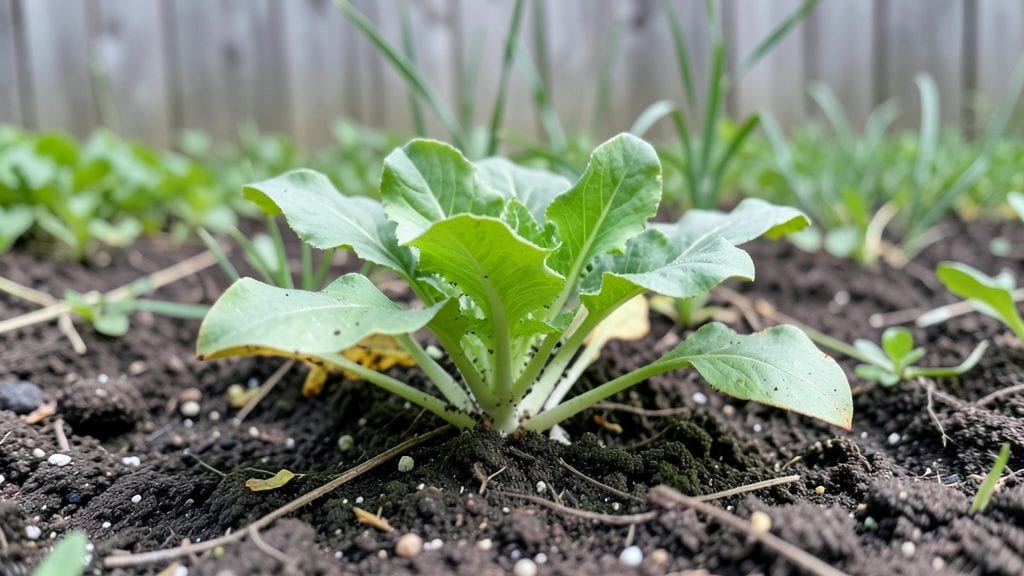
The lettuce seedling stages reveal why some gardeners end up with bitter leaves while others harvest crisp, sweet heads every time.
I’ve tracked these stages for years, and the difference between a thriving seedling and a leggy disaster comes down to light, water, and timing—three things most beginners overlook until it’s too late. The first true leaves appear within 7-10 days of planting, and that’s when the real work begins.
At each stage—from the tiny cotyledons to the mature rosette—lettuce seedlings need different care. Too much water at the wrong time causes rot, while insufficient light turns them into spindly sticks.
I’ll walk you through the exact visual cues to watch for: when to thin seedlings, how to harden them off before transplanting, and the 3-4 week window where they’re most vulnerable to pests. The goal? Seedlings that look like they’ve been grocery-store bought, not homemade.
By the time you’re ready to transplant, your seedlings should have 4-6 true leaves and sturdy stems that can handle outdoor conditions. The payoff? A garden full of crisp, tender lettuce that tastes nothing like the sad store-bought varieties.
We’ll cover spacing, soil prep, and how to avoid the shock that kills so many transplants. No more guessing—just foolproof results.
This works for both indoor starts and direct-sown seedlings, whether you’re growing in trays, pots, or straight in the garden. The key is paying attention to the details at each stage, and I’ve got the visual cues and care tips to make it simple. Let’s get those seedlings growing right.
📚 In This Guide
- What you need
- Instructions
- Tips and common mistakes
- Wrapping up and next steps
What you need
- ● Lettuce seeds: Choose a variety like Buttercrunch, Romaine, or Leaf Lettuce (1–2 packets, ~50–100 seeds). Opt for organic or non-GMO for best results.
- ● Seed-starting trays or pots: 2–4" deep containers (6–12 cells per tray or 4–6" diameter pots). Use biodegradable pots if transplanting directly into the ground.
- ● Seed-starting mix: Lightweight, sterile potting soil (1–2 bags, ~1–2 cubic feet). Avoid garden soil—it’s too dense!
- ● Watering can or spray bottle: With a fine mist setting to avoid disturbing seeds.
- ● Grow lights or sunny windowsill: 12–16 hours of light daily (LED grow lights work great for seedlings).
- ○ Plant labels: Small stakes or markers to track varieties (optional but handy!).
- ● Misting bottle: For gentle hydration (especially for tiny seedlings).
- ○ Heat mat (optional): Keeps soil warm (70–75°F) for faster germination.
- ● Fertilizer: Balanced, water-soluble fertilizer (5-10-5 ratio) for when seedlings sprout.
- ● Tweezers or small spoon: For careful seed placement.
- ● Patience: Lettuce seeds germinate in 7–14 days—stay consistent!
- ● Space: A dedicated spot for trays (or a sunny windowsill).
- ● Cleanliness: Sterilize tools and containers to prevent mold or pests.
Understanding lettuce seedling stages for perfect transplants
Here’s how to recognize each critical stage—so you’ll know exactly when to thin, transplant, or troubleshoot.
Germination (Days 3–14)
The first sign of life appears when tiny white roots break through the seed coat, followed by a delicate shoot pushing upward. This stage begins 3–7 days after sowing, depending on warmth—65–75°F speeds germination, while cooler temps delay it. You’ll see the first cotyledons (seed leaves) emerge next, looking like two rounded, smooth-edged leaves hugging the stem.
Keep the soil consistently moist but never soggy—overwatering here causes seeds to rot before sprouting. If humidity drops, mist lightly with a spray bottle to encourage even germination. Uneven sprouting? Check your seed packet—some varieties germinate faster than others.
Cotyledon Stage (Days 7–14)
Once the cotyledons unfurl, your seedlings are officially above ground. These first leaves are not true foliage—they’re energy storage organs that’ll fall off as the plant matures. At this point, seedlings should have thick, sturdy stems and no signs of yellowing. If stems look thin or leggy, they’ve stretched toward light, meaning your grow setup needs adjustment.
Thin seedlings now if crowded—snip excess plants at soil level with clean scissors, leaving the strongest 2–3 inches apart. Avoid pulling; you’ll disturb roots. This stage is also when you can introduce very mild fertilizer (half-strength) if using, but most seedlings thrive without it yet.
First True Leaves (Days 14–21)
Watch for the second set of leaves—these are the true leaves, serrated and lobed, signaling rapid growth. A healthy seedling now has 3–4 true leaves, a 1-inch stem, and vibrant green color. If leaves appear pale or yellow, it’s a nitrogen deficiency (too little light) or overwatering (roots suffocating). Adjust watering to every 2–3 days when the top ½ inch of soil feels dry.
This is the ideal time to harden off seedlings if transplanting outdoors. Move them to a shaded, sheltered spot for 1 hour daily, gradually increasing exposure. By Day 21, they should tolerate 4–6 hours of sun without wilting. Skip hardening, and you risk shock—leaves curl or crisp in direct sunlight.
Maturity for Transplanting (Days 21–28)
Seedlings are ready for transplant when they reach 4–6 inches tall with 5–6 true leaves and a pencil-thick stem. Roots should fill the container, and the plant should bounce slightly when touched (a sign of strong growth). Transplant on a cool, cloudy day to reduce stress, burying up to the first true leaves—this encourages deeper root growth.
After transplanting, water deeply at the base and avoid overhead watering for 48 hours to prevent disease. Mulch with 1 inch of straw to retain moisture and deter weeds. If leaves yellow between veins, it’s iron deficiency—amend soil with chelated iron or compost tea. Perfect transplants mean bolting-free heads and crisp harvests in 4–6 weeks.
Tips & tricks for perfect lettuce seedling transplants
Mastering these stages transforms your seedlings from fragile sprouts to robust transplants ready for the garden.
Temperature Control During Germination: Maintain consistent warmth between 65-75°F during the 3-7 day germination window—this range optimizes enzyme activity without overheating delicate roots. If your growing space dips below 60°F, consider using a seedling heat mat or moving containers to a warmer location. The difference between successful germination and failure often comes down to these few degrees during this critical first week.
The Lighting Secret for Sturdy Seedlings: Thin, leggy seedlings in Step 2 reveal insufficient light exposure. Position your seedlings within 6-12 inches of a grow light or south-facing window to prevent this common issue. If you notice stems stretching toward light, immediately increase exposure to 12-14 hours daily. The key is even, bright light from all directions—this prevents the plants from growing toward a single light source.
Thinning Technique That Preserves Roots: When thinning crowded seedlings in Step 2, use clean scissors to snip at soil level rather than pulling. This preserves the root systems of remaining plants while preventing soil disturbance. Leave your strongest seedlings spaced 2-3 inches apart—this spacing prevents competition for nutrients and allows each plant room to develop robust root structures for transplanting.
Hardening Off Strategy: Begin the hardening process in Step 3 by gradually increasing outdoor exposure over 7-10 days. Start with just 1 hour of shade on day one, then add 15 minutes daily. By day 7, your seedlings should tolerate 4-6 hours of direct sunlight without wilting. This gradual adaptation prevents transplant shock that often occurs when seedlings go from protected indoor environments to full sun exposure.
Pro Tips for Lettuce Seedling Stages
- Mastering these stages transforms your seedlings from fragile sprouts to robust transplants ready for the garden.
- Temperature Control During Germination: Maintain consistent warmth between 65-75°F during the 3-7 day germination window—this range optimizes enzyme activity without overheating delicate roots.
- The Lighting Secret for Sturdy Seedlings: Thin, leggy seedlings in Step 2 reveal insufficient light exposure.
Frequently asked questions
Got questions about growing lettuce seedlings from tiny sprouts to transplant-ready plants? Here are some of the most common ones—plus quick answers to keep your garden thriving!
How long does it take for lettuce seedlings to reach the transplant stage?
Most lettuce varieties take 3–4 weeks to reach the true leaf stage (4–6 leaves, ~2–3 inches tall), making them ready for transplanting. Leafy greens like romaine or butterhead may mature faster (2–3 weeks), while crispheads like iceberg take slightly longer (4–5 weeks). Check your seed packet for exact timelines!
What if my lettuce seedlings look leggy or weak?
Leggy seedlings (long stems, pale leaves) usually mean too little light or overcrowding. Move them to a sunny windowsill or under grow lights (12–16 hours/day). Thin seedlings to 1–2 inches apart and avoid overwatering—soggy soil weakens stems. A pinch of fertilizer (like fish emulsion) can also help!
Can I transplant lettuce seedlings in cold weather?
Lettuce is cool-season tolerant but struggles with freezing temps (<32°F/0°C). For spring/fall, wait until nighttime temps stay above 40°F (4°C). Use row covers or straw mulch for extra protection. In summer, opt for shade cloth (30–50%) to prevent bolting (premature flowering).
What’s the best way to harden off lettuce seedlings before transplanting?
Harden off seedlings 7–10 days before moving them outside. Start by placing them in partial shade for 2–3 hours, then gradually increase exposure (add wind/sun daily). By day 7, they should handle full sun for 4–6 hours. Avoid transplanting on hot, windy, or rainy days—morning is ideal!
Can I use lettuce seedlings from grocery store lettuce?
Nope! Store-bought lettuce is treated with growth inhibitors to delay bolting, and the seeds may not germinate. Instead, buy organic seeds or save seeds from heirloom varieties (like romaine or buttercrunch). If you’re desperate, try leaf cuttings from healthy plants, but success rates are low.
How do I protect lettuce seedlings from pests like aphids?
Aphids love tender seedlings! Start with prevention: use row covers or neem oil spray (mix 1 tbsp neem oil + 1 tsp mild soap + 1 quart water). For outbreaks, blast them off with a hose or introduce ladybugs. Avoid chemical sprays—they can harm seedlings. Diatomaceous earth (food-grade) is a safe, dry option.
Wrapping up and next steps
Understanding the lettuce seedling stages is your secret weapon for a thriving garden! 🌱 From those first tiny sprouts to robust transplants, each phase plays a role in your success. With the right care—like proper lighting, watering, and soil—you’ll nurture healthy seedlings ready for the big move.
Now that you’re armed with knowledge, it’s time to roll up your sleeves! Start with a few seeds, track their progress, and enjoy the rewarding journey of growing your own crisp, homegrown lettuce. Happy planting! 🌿