
Trees
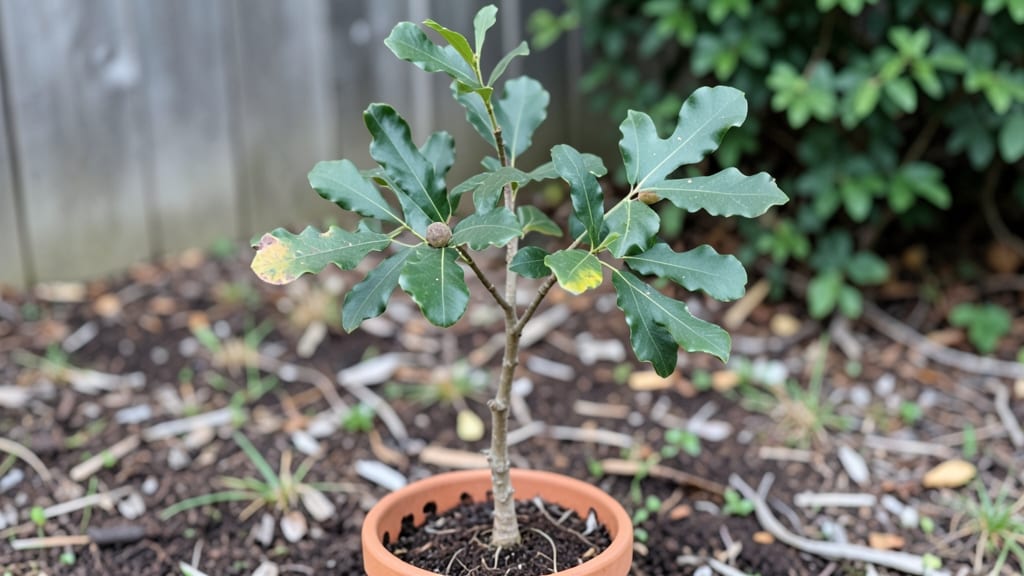
These live oak seedling pictures I’ve collected show just how dramatic the journey is—from a whisper-thin sprout to a sturdy 12-inch sapling, if you know where to look. 🌱 each stage are fascinating.
The key is recognizing those lobed leaves and the way roots develop, which tells you exactly how to care for them.
In the first month, seedlings sprout bright green, rounded leaves that look almost like miniature maple leaves. By three months, they’re putting on growth spurts, with roots spreading wider than you’d expect. Handling them gently is critical—those roots break easily when pulled, and rough treatment stunts their development.
By planting time, healthy seedlings stand 2–3 feet tall with a strong taproot and multiple side branches. The secret to thriving transplants? Watering deeply before moving them and shielding them from wind for the first week.
You’ll know you’ve done it right when new leaves unfurl within weeks of setting them in the ground.
This guide shows you exactly what to watch for at each stage—so you can tell a healthy seedling from a struggling one in seconds. No more guesswork when it comes to giving these future giants the best start.
Root Causes Of Seedling Struggles
Understanding why live oak seedlings behave the way they do—whether thriving or stalling—starts with their natural growth triggers and environmental demands. These young trees are hardy but sensitive to specific conditions. Here’s why issues arise, broken down into key factors:
Live oak seedlings (Quercus virginiana) thrive in well-draining, slightly acidic soil (pH 5.0–7.0), but poor soil can stall germination or weaken seedlings. Here’s how:
- Compacted or Clay-Heavy Soil 🌱💀 Dense soil restricts root penetration, suffocating seedlings. Live oaks need 6–12 inches of loose soil to establish strong taproots. Test soil by digging a 6-inch hole—if it feels like packing dirt, amend it with compost or sand (50/50 mix) to improve aeration.
- Waterlogged or Sandy Soil 💦⚠️
- Too wet? Roots rot from lack of oxygen (anaerobic conditions). Signs: Yellowing leaves, mushy stems.
- Too dry? Sandy soil drains too fast, starving roots of moisture. Solution: Mix in peat moss or coconut coir to retain moisture without drowning roots.
- Nutrient Deficiencies 🌱🔄 Live oaks are slow growers but need phosphorus (P) and nitrogen (N) for early growth. A quick soil test can reveal deficiencies—add bone meal (for P) or well-rotted manure (for N) if needed.
Live oak acorns germinate best in fall or early spring when soil temps hover between 60–75°F (15–24°C). Deviations from this window cause delays or failure:
- Premature Planting ❄️🚫 Planting acorns in hot summer (above 80°F/27°C) triggers premature sprouting, depleting the seed’s energy before roots establish. Wait until temperatures drop below 75°F before sowing.
- Late Fall Freezes ❄️⏳ If planted too late, seedlings may dormancy-break but freeze before roots harden. Protect young plants with mulch (3–4 inches of straw or pine needles) to insulate roots.
- Slow Germination in Cold Soil ❄️🐢 Acorns can take 4–6 weeks to sprout in cool conditions. If soil stays below 50°F (10°C), germination stalls. Use a seedling heat mat (70°F) to speed up the process in cold climates.
Seedlings are vulnerable to herbivores, fungi, and insects that larger trees resist. Common culprits:
| Pest/Disease | Signs | Solution |
|---|---|---|
| Acorn Weevils | Holes in acorns, failed germination | Plant acorns 1–2 inches deep to deter weevils; use diatomaceous earth around seedlings. |
| Fungal Rot | Dark, mushy stems; mold | Improve drainage; apply copper fungicide if soil is consistently wet. |
| Deer or Rodents | Chewed seedlings, missing plants | Use chicken wire cages or repellent sprays (e.g., rotten egg scent). |
| Aphids/Scale Insects | Sticky leaves, curled foliage | Blast off with water spray or use neem oil (1 tbsp/gal of water). |
Live oak seedlings need dappled sunlight (6+ hours/day) but can’t handle direct midday sun or shade from competing plants:
- Too Much Sun ☀️🔥 Young leaves scorch (brown, crispy edges) if exposed to intense afternoon sun. Provide 50% shade (e.g., shade cloth) until seedlings are 12+ inches tall.
- Overcrowding 🌳🚫 Plant seedlings 10–15 feet apart—competition for water/nutrients stunts growth. Thin seedlings if they’re growing too close.
- Weed Suppression 🌱💥 Weeds steal moisture and nutrients. Use mulch (wood chips) to block light to weeds while retaining soil moisture for the oak.
Even well-meaning gardeners can sabotage seedlings with over- or under-care:
- Overwatering 💦💀 Live oaks hate soggy roots. Water only when the top 2 inches of soil are dry—then soak deeply (not daily).
- Underwatering 🏜️😵 Wilting leaves or crispy leaf edges signal thirst. Keep soil consistently moist (not soggy) during the first year.
- Fertilizer Burn 🌱🔥 Fresh seedlings can’t handle synthetic fertilizers. Use diluted fish emulsion (1 tbsp/gal) only after 6 months of growth.
Use a growth journal to track:
- Soil moisture (stick your finger in—if dry 1 inch down, water).
- Leaf color (yellow = nitrogen; brown = sunburn).
- Pest activity (check undersides of leaves weekly).
By addressing these root causes, your live oak seedlings will stand a much higher chance of thriving—and you’ll capture those milestone-worthy growth pictures you’re after! 📸✨
Fixing Common Live Oak Seedling Struggles
Growing a live oak seedling from scratch is a rewarding but sometimes tricky process—especially when issues like stunted growth, yellowing leaves, or pests pop up. 🌱 The good news?
Most problems have simple, actionable fixes. Below, we’ll break down the most common issues, step-by-step solutions, and prevention tips to keep your young oak thriving.
Cause: Poor soil nutrition, overcrowding, or insufficient sunlight.
How to Fix It: 🔥 Test and Amend the Soil – Live oaks thrive in well-draining, slightly acidic soil (pH 5.0–6.5). Grab a soil test kit (or send a sample to your local extension office) to check nutrient levels. If the soil is compacted or lacks organic matter, mix in compost or aged manure to improve drainage and fertility.
🍳 Fertilize Lightly – Young seedlings don’t need heavy feeding. Use a balanced, slow-release fertilizer (like 10-10-10) in early spring. Avoid high-nitrogen fertilizers, which can burn roots. Follow the package instructions for dosage—more isn’t better!
👨🍳 Ensure Proper Spacing – If seedlings are too close together, they’ll compete for resources. Thin them out, leaving 6–12 inches of space between plants to encourage stronger growth.
✨ Prevention Tips:
- Mulch around the base (2–3 inches of wood chips) to retain moisture and regulate soil temperature.
- Avoid overwatering—soggy soil suffocates roots! Water deeply but infrequently (1–2 times per week, depending on climate).
Cause: Overwatering, underwatering, fungal diseases, or nutrient deficiencies.
How to Fix It: 💡 Check the Watering Routine – Yellow leaves often signal root rot (too much water) or drought stress (too little). Let the top 1–2 inches of soil dry out between waterings. If the soil feels soggy, ease up on irrigation and improve drainage by adding sand or perlite to the mix.
🌡️ Inspect for Pests or Fungus – Look for black spots, mold, or tiny insects (like spider mites or scale) on leaves. If you spot fungus, treat with neem oil or a copper fungicide. For pests, spray with insecticidal soap or introduce beneficial insects (like ladybugs).
🍎 Boost Nutrients – Yellowing can also mean iron or nitrogen deficiency. Apply a chelated iron supplement or a low-nitrogen fertilizer (like 5-10-10) to revive the foliage.
🎯 Prevention Tips:
- Water at the base of the plant (not overhead) to reduce fungal risks.
- Prune away dead or diseased leaves immediately to prevent spread.
- Avoid planting in low-lying areas where water pools.
Cause: Weak seedlings attract pests, especially in dry or stressed conditions.
How to Fix It: 🔪 Manual Removal for Small Infestations – If you see aphids or scale insects, blast them off with a strong stream of water or wipe leaves with soapy water (1 tsp mild dish soap per quart of water).
🥘 Natural Repellents – Spray neem oil (diluted as directed) every 7–10 days to deter pests. You can also introduce predatory insects (like lacewings) to keep populations in check.
⏰ Severe Cases? Use Targeted Treatments – For borers or grubs, apply beneficial nematodes to the soil. For stubborn infestations, consult a local arborist for systemic insecticides (like imidacloprid).
💡 Prevention Tips:
- Keep the area weed-free—pests love hiding in overgrown foliage.
- Mulch heavily to discourage ants (which farm aphids).
- Inspect seedlings regularly—catching pests early is key!
Cause: Extreme temperatures, sudden climate shifts, or poor acclimation.
How to Fix It: 🌡️ Adjust Watering in Extreme Heat – During heatwaves, water early in the morning to reduce evaporation. If leaves are crispy or brown, they’re suffering from transpiration stress—trim damaged foliage and increase shade temporarily.
❄️ Protect from Frost – Young live oaks are not frost-hardy until established. If a freeze is forecasted, cover seedlings with frost cloth or move pots to a sheltered spot.
🌿 Gradual Acclimation – If moving seedlings outdoors, harden them off over 7–10 days by exposing them to increasing sunlight daily.
✨ Prevention Tips:
- Plant in microclimates (like near a south-facing wall) for extra warmth.
- Avoid plastic pots—they overheat in sun. Use fabric grow bags instead.
- Mulch deeply (4–6 inches) to insulate roots in winter.
Final Thought: Most live oak seedling problems are easy to fix with the right care. Stay vigilant, adjust your approach based on the symptoms, and your young tree will reward you with strong, healthy growth in no time! 🌳💚
Frequently asked questions about live oak seedlings
What do healthy live oak seedling leaves look like?
Healthy young live oak leaves are bright green, rounded with smooth edges, and resemble miniature maple leaves. Early seedlings often have a single rounded lobe, while older saplings develop 3-5 lobes. Look for vibrant color and firm texture—yellowing or brown edges signal stress or disease.
How long does it take for live oak acorns to germinate?
Germination typically takes 4-8 weeks in ideal conditions (soil temps between 60-75°F). Cold soil slows it down, while hot summer conditions can cause premature sprouting. For fastest results, plant acorns in fall or early spring when moisture levels are consistent.
Can I transplant a 6-month-old live oak seedling?
Yes, but handle with care! Seedlings this age have established roots but are still fragile. Transplant on a cloudy day or in early morning, keeping the root ball intact. Water thoroughly before and after moving, and protect from direct sun for 1-2 weeks to reduce transplant shock.
What's the best way to protect young seedlings from pests?
Use physical barriers like chicken wire cages for deer protection, and apply neem oil every 7-10 days for insect control. For acorn weevils, plant acorns 1-2 inches deep to deter them. Mulching with wood chips also helps by discouraging rodents and conserving moisture.
How can I tell if my seedling needs more sunlight?
Seedlings need 6+ hours of dappled sunlight daily. Look for pale yellow leaves or leggy growth (long stems with small leaves)—these are classic signs of insufficient light. If you notice these, gradually move the seedling to a sunnier spot over 3-5 days to avoid shock.