
Lawn
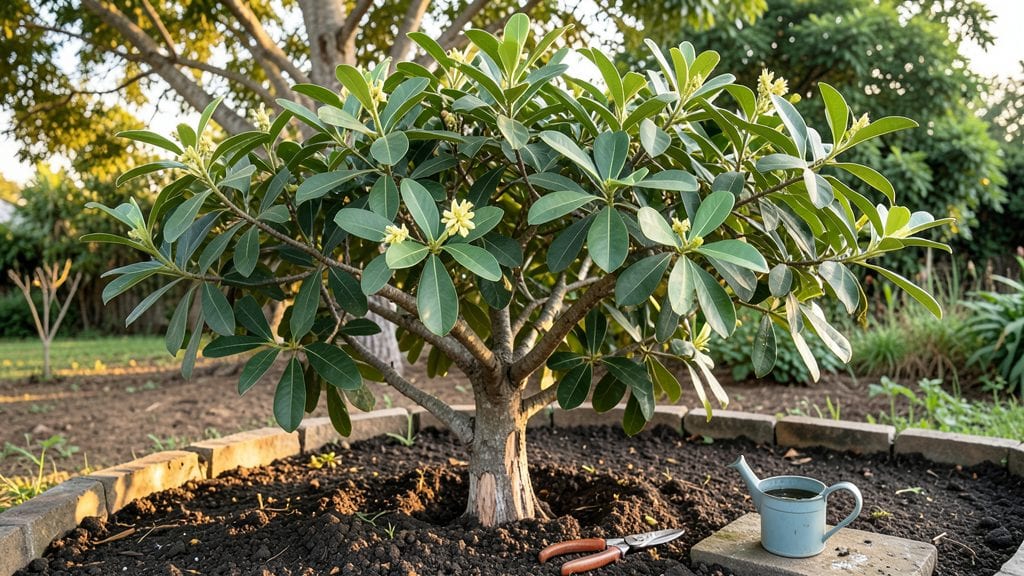
Growing mamey sapote from seed unlocks a sweet tropical treasure in your yard—if you're willing to play the long game. 🌱 I cracked the code after years of watching those seeds sprout stubbornly, and now I’m sharing how to coax this slow-growing fruit tree into life within just three months of germination.
The trick starts with mimicking its native jungle conditions: warm soil, high humidity, and patience. You’ll need a heat mat to keep those seeds cozy at 75–85°F, a mix of peat and perlite to prevent rot, and a spray bottle to keep moisture steady without drowning them.
Most seeds take 30–90 days to crack—but once they do, you’ll have a tiny, delicate sapling ready for its next adventure.
By month three, your seedling will be strong enough to transplant into a 5-gallon pot with well-draining soil. Keep it in bright, indirect light and water when the top inch feels dry.
The real magic happens years later, but those first few months set the stage for a tree that’ll eventually bear creamy, custard-like fruit—worth every bit of wait.
Fair warning: this isn’t a fast-food garden. Mamey sapotes take 5–10 years to fruit, but the journey starts with these early steps. Let’s get those seeds sprouting!
📚 In This Guide
- What you need
- Instructions
- Tips and common mistakes
- Wrapping up and next steps
What you need
- ● Mamey sapote seeds: 3–5 fresh, plump seeds (harvested from a ripe fruit; store-bought seeds may not germinate as well).
- ○ Small seed-starting pots: 2–3 (4-inch diameter), with drainage holes. Optional: Biodegradable peat pots for transplanting.
- ● Seed-starting mix: 1 bag (sterilized, well-draining potting soil blend—avoid garden soil).
- ● Plastic wrap or humidity dome: To create a mini greenhouse effect.
- ● Spray bottle: For gentle watering (avoid soaking the seeds).
- ○ Heat mat (optional but helpful): 70–85°F range to speed up germination.
- ● Grow lights or sunny windowsill: 6+ hours of indirect light daily (south-facing window or LED grow lights).
- ● Fertilizer: Balanced, water-soluble fertilizer (5-5-5 or 10-10-10) for seedlings.
- ● Larger pots (6–8 inches): For transplanting once seedlings sprout 2–3 true leaves.
- ● Patience: Germination can take weeks to months—stay consistent!
- ● Warmth: Mamey sapote seeds thrive in 75–85°F soil temps. A sunny windowsill or greenhouse works best.
- ● Humidity control: Keep soil moist (not soggy) and cover pots with plastic wrap until sprouts appear.
- ○ Pest prevention: Avoid overwatering to deter fungal issues. Optional: Neem oil spray if mold appears.
- ● Outdoor readiness: Only transplant outdoors after the last frost (zones 10–11 only; mamey sapote is not frost-tolerant).
Step-by-step instructions for germinating mamey sapote seeds
Here's how to get your first mamey sapote seedlings sprouting strong in just a few weeks.
🌱 Step 1: Extract and Prepare the Seed
Start with a fresh, plump mamey sapote seed—you'll know it's ready when the outer pulp is fully ripe and the seed feels firm when squeezed. Cut through the hard shell carefully with a sharp knife to reveal the seed inside. The seed itself will have a smooth, brown exterior with a single pointed end.
Soak the seed in warm water for 24 hours to soften the outer coating. This step is crucial because mamey sapote seeds have a tough seed coat that slows germination. After soaking, gently rub the seed between your fingers to remove any remaining pulp, but don't damage the seed itself. Place it on a paper towel to dry slightly before planting.
💧 Step 2: Plant the Seed in Moist Starting Medium
Fill a small pot or seed tray with well-draining potting mix—I like to use a blend of peat moss and perlite for the best results. Moisten the mix until it's damp but not soggy, then make a small hole about ½ inch deep with your finger. Place the seed in the hole with the pointed end facing upward.
Cover the seed lightly with additional potting mix, pressing down gently to ensure good contact. Water the soil until it's evenly moist, but avoid oversaturating it. Place the pot in a warm, shaded area where the temperature stays between 75-85°F. This warmth mimics the tropical conditions the seed needs to germinate.
☀️ Step 3: Provide Warmth and Monitor for Sprouting
Keep the soil consistently moist by misting it lightly every 2-3 days—you'll know it's ready when the top inch feels dry to the touch. Germination can take anywhere from 3-6 weeks, so patience is key. Place a clear plastic bag over the pot to retain humidity, but remove it daily to check for signs of sprouting.
Once you see the first signs of a sprout—usually a small crack in the seed coat followed by a tiny green shoot—remove the plastic bag entirely. This transition helps prevent mold and encourages stronger growth. Place the seedling in bright, indirect light to avoid shocking it with too much sun too soon.
🌿 Step 4: Transplant and Care for Young Seedlings
When the seedling reaches about 3-4 inches tall and has developed a few true leaves, it's time to transplant it into a slightly larger pot. Choose a container with drainage holes to prevent root rot. Fill the pot with fresh potting mix and dig a hole just deep enough to cover the seedling's roots without burying the stem.
Water the seedling thoroughly after transplanting to help it settle into its new home. Place it in a location with bright, indirect light and maintain a consistent temperature of 70-80°F. Fertilize lightly with a diluted balanced fertilizer every 4-6 weeks to encourage healthy growth. Watch for signs of stress like yellowing leaves, which can indicate overwatering or insufficient light.
Tips & tricks for germinating mamey sapote seeds
A few key tricks will help you avoid common pitfalls and give your mamey sapote seed the best chance for successful germination.
The Soaking Secret: That 24-hour soak is non-negotiable for mamey sapote seeds. I've tried skipping it, and the seeds just won't crack open on their own. Use warm (not hot) water to speed up the softening process. If your seed still feels hard after 24 hours, extend the soak by another 12 hours—just don't let it dry out completely afterward.
Temperature Matters: Maintaining that 75-85°F range is critical during germination. If your home runs cooler, consider using a seedling heat mat underneath the pot. I've found that placing the pot on top of my refrigerator (where it's warmest) works well when my apartment gets chilly. The seed needs this warmth to break through its tough outer shell.
Humidity Hack: That plastic bag trick in Step 3 is a game-changer. The bag creates a mini greenhouse effect that keeps humidity high while still allowing you to check for sprouts daily. Just remember to remove it completely once you see that first crack—too much humidity after germination can lead to mold. A clear plastic wrap works just as well if you don't have a bag.
Light Transition: When you move your seedling to bright, indirect light after sprouting, don't rush it to direct sun. I've seen seedlings get sunburned when moved too quickly. Start with a spot that gets morning sun but afternoon shade, then gradually increase exposure over a week. This mimics how seedlings would naturally transition in their tropical environment.
Pro Tips for Mamey Sapote Seed
- A few key tricks will help you avoid common pitfalls and give your mamey sapote seed the best chance for successful germination.
- The Soaking Secret: That 24-hour soak is non-negotiable for mamey sapote seeds.
- Temperature Matters: Maintaining that 75-85°F range is critical during germination.
Frequently asked questions
Got questions about growing mamey sapote seeds? You’re not alone! Here are answers to the most common queries—from germination tips to troubleshooting—so you can grow your tropical treasure with confidence.
How long does it take for mamey sapote seeds to germinate?
Germination can take 2 to 6 weeks (or longer!) depending on temperature and moisture. Keep the soil warm (70–85°F) and consistently damp—patience is key! If no sprouts appear after 8 weeks, the seed may need stratification (a cold treatment) or could be non-viable.
Can I grow a mamey sapote tree from a store-bought fruit?
Just save the large, dark seeds from ripe mamey sapote fruit, clean them gently, and plant them in moist potting mix. Pro tip: Store-bought seeds may be treated to prevent sprouting—soak them in warm water overnight to encourage germination.
What if my mamey sapote seed won’t sprout?
Try these fixes:
- Check moisture: Soil should stay damp but not soggy.
- Warmth boost: Place the pot near a sunny window or use a heat mat.
- Stratification: Refrigerate the seed in a damp paper towel for 1–2 weeks to mimic winter.
Fresh seed? : Older seeds lose viability—try a new one!
Still stuck? The seed might be dormant or damaged.How big does a mamey sapote tree get, and when will it fruit?
Mature trees reach 20–30 feet tall with a wide canopy—ideal for tropical climates (USDA zones 10–11). Fruit production starts at 5–10 years, but indoor/container growth may delay it. Patience pays off with sweet, custard-like rewards!
Can I grow mamey sapote indoors, or do I need a garden?
Yes! Start indoors in a large pot (10+ gallons) with bright light (grow lights help). Move outdoors in summer if temps stay above 60°F. Just know: Indoor trees may fruit later or not at all—outdoor planting yields better results.
Bonus Tip:
Label your seedling! Mamey sapote trees can take years to mature, and keeping track makes caring for them easier. Plus, you’ll want to remember the day you planted your future fruit bonanza.
Wrapping up and next steps
Growing a mamey sapote tree from seed is a rewarding journey that brings a touch of the tropics to your garden—even in just three months! 🌱 With patience, the right care, and a dash of tropical flair, you can nurture a seed into a thriving plant.
Whether you're drawn to its creamy fruit or the joy of cultivating something exotic, every step is a chance to connect with nature’s bounty.
Ready to take the next step? Plant your seed today and watch your green thumb grow—literally! Share your progress with fellow plant enthusiasts or explore more tropical gardening tips to keep the adventure alive. Happy planting! 🌿✨