Diseases
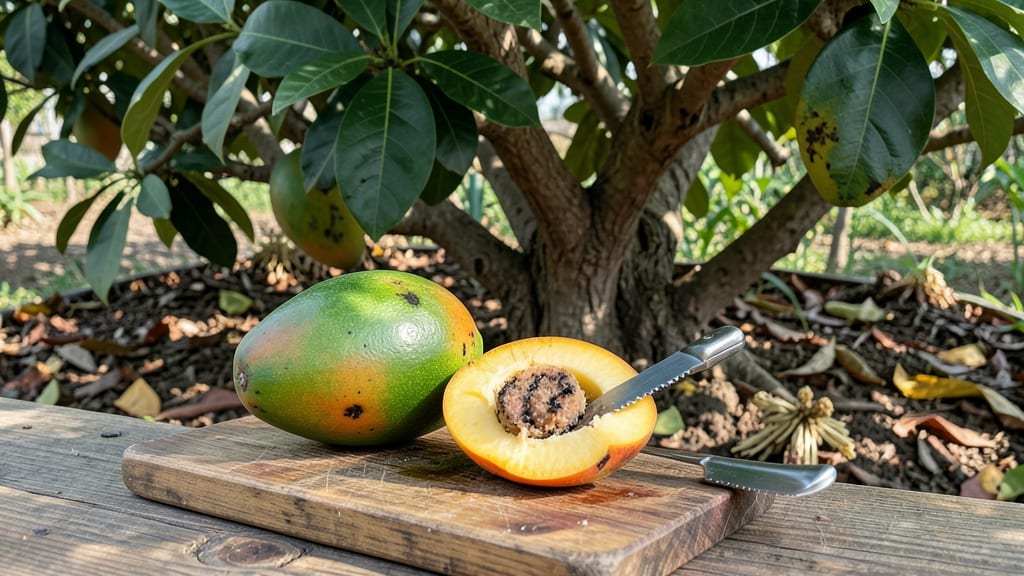
Mango seed rot turns your hopeful seedlings into a mushy, moldy mess before they even sprout. 🌱 I’ve watched this happen three times—each time, I swore I’d learn from my mistakes, only to repeat them.
The good news? This problem has a pattern, and once you recognize it, you can stop it dead in its tracks.
The culprit is almost always moisture—either too much during storage or too little drying time after harvest. Seeds left in damp husks or stored in plastic bags create the perfect fungal buffet, while bacterial rot kicks in when seeds sit too long in warm, humid conditions.
Even organic seeds aren’t immune; the moment mold appears, you’ve got a race against time to save what you can.
With the right drying technique and a few simple storage tweaks, you’ll salvage viable seeds and watch them germinate strong. Think crisp, firm seeds instead of slimy, discolored ones—this is the difference between a failed batch and a thriving mango tree. Here’s exactly how to break the cycle.
Whether you’re dealing with a current outbreak or just want to prevent future heartbreak, these steps work for both home-grown mangoes and store-bought seeds. Let’s turn this around before your next planting season arrives.
Root Causes Of Seedling Decay
Understanding why mango seed rot occurs starts with identifying the key culprits behind this destructive process. While it may seem like a simple case of "too much moisture," the science behind seedling decay is more nuanced—and often preventable with the right knowledge.
Mango seeds are highly susceptible to fungal infections, particularly from soil-borne pathogens like Fusarium, Pythium, and Phytophthora. These fungi thrive in warm, damp conditions, where they release enzymes that break down the seed’s protective layers.
Once inside, they: - Disrupt cellular respiration by blocking oxygen uptake, suffocating the embryo. - Secrete toxins (e.g., fusaric acid) that inhibit root and shoot growth. - Form mycelial networks that spread decay rapidly, turning healthy seeds into mushy, discolored messes.
Actionable insight: Sterilize planting mediums with a 10-minute steam treatment or hydrogen peroxide (3%) to eliminate fungal spores before sowing.
Seeds need balanced hydration—too little, and they fail to germinate; too much, and they drown.
Excessive moisture creates anaerobic conditions (low oxygen), where: - Fermentation occurs, producing ethanol and lactic acid, which poison the seed. - Bacterial soft rot (Erwinia spp.) exploits weak spots, accelerating decay. - Capillary action traps water in seed crevices, prolonging exposure to pathogens.
Pro tip: 🌡️ Use a moisture meter (or the "squeeze test")—soil should feel like a damp sponge, not a soggy rag.
Mango seeds germinate best in warmth (75–90°F / 24–32°C) but rot when exposed to:
- Cold stress (<60°F / 15°C): Slows metabolism, making seeds vulnerable to secondary infections.
- High humidity (>85%): Delays drying between waterings, creating a fungal paradise.
- Fluctuating temps: Shockwaves weaken seed defenses, inviting pathogens.
Solution: Maintain consistent warmth with a seedling heat mat and ventilation (e.g., a small fan on low) to reduce humidity spikes.
Not all mango seeds are created equal. Low-quality seeds (old, damaged, or from unripe fruit) lack:
- Endosperm reserves (energy stores) to fight off pathogens.
- Cuticle integrity, making them prone to waterlogging and fungal entry.
- Antimicrobial compounds (e.g., tannins) that deter microbes.
Key fix: 🎯 Pre-soak seeds in a 1% potassium permanganate solution (5 mins) to boost natural defenses before planting.
Reusing old soil or planting near decayed seeds introduces:
- Lingering pathogens from previous crops.
- Weakened microbial competition, allowing rot-causing fungi to dominate.
- Physical damage (e.g., sharp rocks) that create entry points for invaders.
Prevention: 💡 Refresh soil with a sterile potting mix (50% coco coir, 30% perlite, 20% vermiculite) and avoid overcrowding seedlings.
Why it matters: Seed rot isn’t just about "bad luck"—it’s a chain reaction of environmental stress, pathogen pressure, and poor seed health. By targeting these root causes, you can dramatically reduce losses and give your mango seedlings the fighting chance they deserve.
Quick Fixes for Sick Seedlings
Mango seed rot can feel like a devastating blow to your gardening efforts, but don’t toss those seeds just yet! With the right approach, you can rescue your seedlings and prevent future outbreaks.
Below, we’ve mapped out practical, step-by-step solutions tailored to the root causes of rot—whether it’s excess moisture, poor drainage, or fungal attacks. Follow these fixes to revive your plants and keep them thriving.
If your mango seeds are drowning in soggy soil, the first step is cutting back on water and improving airflow.
🔥 Step 1: Let the Soil Dry Out
- Stop watering immediately—let the top 1–2 inches of soil dry completely before adding moisture again.
- Check moisture levels by sticking your finger into the soil; if it’s damp past your first knuckle, wait longer.
- Pro Tip: 💡 Use a moisture meter for precision, especially in humid climates.
🍳 Step 2: Improve Drainage
- Repot in well-draining soil mix: Combine coco coir, perlite, and sand (or potting soil + vermiculite) for better aeration.
- Add a drainage layer: Place small pebbles or broken pottery shards at the bottom of the pot to prevent waterlogging.
- Upgrade your pots: If using plastic, switch to terracotta or fabric pots—they allow excess moisture to evaporate faster.
👨🍳 Step 3: Adjust Watering Habits
- Water only when the topsoil is dry—mango seeds hate "wet feet."
- Water at the base (not overhead) to avoid fungal splash.
- Morning watering is best—allows foliage to dry before evening humidity sets in.
If black, mushy spots or fuzzy mold appear, fungal rot is likely the culprit. Act fast with these treatments:
🔪 Step 1: Prune & Isolate Infected Seeds
- Snip off rotten roots or stems with sterilized scissors (wipe with rubbing alcohol between cuts).
- Remove and discard severely infected seeds—don’t compost them (spores spread easily!).
- Isolate healthy seedlings from infected ones until recovery.
🌡️ Step 2: Apply Fungicide
- Hydrogen peroxide spray (3%): Mix 1 part peroxide to 4 parts water, spray lightly on soil and leaves (test on a small area first).
- Neem oil solution: Combine 1 tsp neem oil + 1 tsp mild soap + 1 quart water, spray weekly for prevention.
- Copper fungicide (store-bought): Follow label instructions for severe cases.
✨ Step 3: Boost Air Circulation
- Space seedlings 2–3 inches apart to reduce humidity buildup.
- Use a small fan on low setting (24/7) to keep air moving—fungi thrive in stagnant air.
- Avoid overcrowding in trays; transplant if needed.
Once your seedlings recover, keep rot at bay with these long-term strategies:
| Problem | Prevention Fix | When to Do It |
|---|---|---|
| Excess moisture | Water deeply but infrequently | Every 3–5 days (check soil) |
| Poor soil quality | Use sandy, fast-draining mix | At planting |
| Fungal spores | Sterilize tools & pots (bleach soak) | Before/after use |
| High humidity | Dehumidifier or open windows | During rainy seasons |
| Weak seedlings | Hardening off (acclimate to outdoor air) | 2 weeks before transplant |
- 💡 Test your soil’s pH—mango seeds prefer slightly acidic (6.0–6.5).
Use a test kit or vinegar/baking soda DIY method. - 🌡️ Monitor temperature—keep seeds in 70–85°F (21–29°C); cold soil slows recovery. - ✨ Try cinnamon dust—sprinkle a light layer on soil (natural antifungal) when repotting. - 🚫 Avoid plastic wrap—it traps moisture and speeds up rot.
Use breathable covers instead.
By tackling the specific cause of your seed rot—whether it’s water, fungi, or poor soil—you’ll give your mango seedlings the fighting chance they need. Act fast, adjust habits, and soon you’ll be harvesting healthy, rot-free plants! 🌿🍈
Frequently asked questions about mango seed decay
How do I know if my mango seed is already rotting?
Check for discoloration (black, brown, or gray spots), a slimy texture, or foul smells—these are classic signs of seed rot. A healthy seed should feel firm and have a smooth, intact surface. If you see fuzzy mold, act immediately with fungicide.
Can I save a seed that’s partially rotted?
Only if the embryo (inner core) is still firm and free of decay. Trim away infected outer layers with sterilized tools, then soak the clean seed in 1% potassium permanganate for 5 minutes to kill remaining pathogens. Dry thoroughly before replanting.
Why does my mango seed rot even after proper drying?
Excessive humidity during storage is the most common culprit. Store seeds in a cool, dry place (60–70°F / 15–21°C) with silica gel packets or a dehumidifier. Avoid plastic bags—opt for breathable paper envelopes or airtight containers with moisture absorbers.
What’s the fastest way to dry mango seeds?
Remove seeds from the husk immediately, then pat them dry with paper towels. Place them in a single layer on a wire rack in a well-ventilated, shady spot (avoid direct sun). With good airflow, they’ll dry in 3–5 days. Test readiness by checking for a hard, hollow sound when tapped.
Are store-bought mango seeds more prone to rot?
Yes—commercial seeds often come from unripe fruit or are harvested under less-than-ideal conditions. For better results, use seeds from fully ripe, organic mangoes (preferably grown in your climate). Soak them for 24 hours before drying to boost viability.