
Propagation
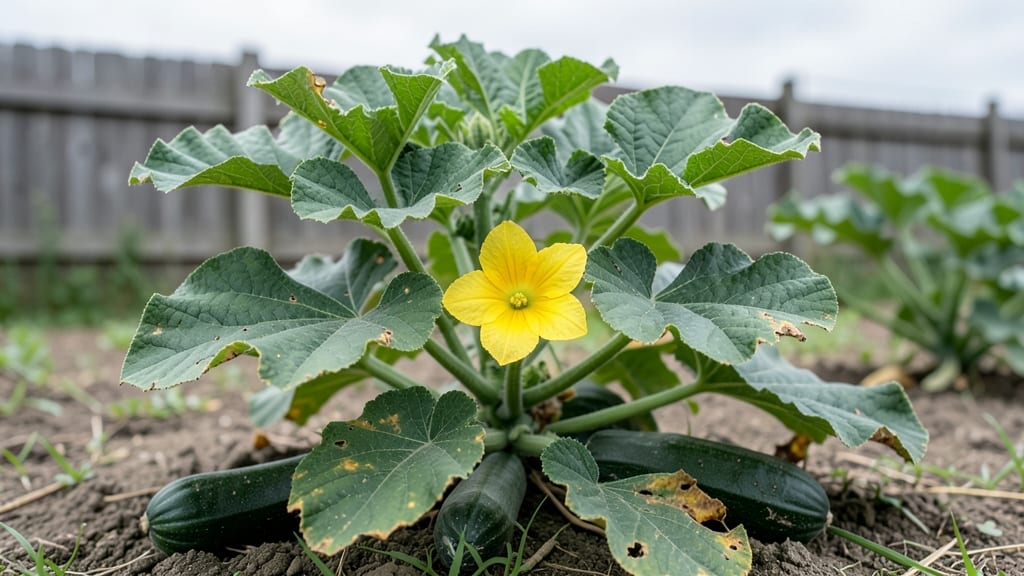
Harvesting Mexican zucchini seeds requires collecting them from fully mature, yellowing fruits, drying them completely, and storing them in a cool, dry environment to preserve their germination potential for future planting. Always select firm, undamaged pods to guarantee strong seed quality.
Mexican zucchini—also called calabacitas—produces seeds that thrive when harvested at peak ripeness. 🌱 The fruits turn from green to a deep yellow or tan when ready, signaling the seeds inside are fully developed and ready for collection.
Skipping this stage means lower germination rates, so patience pays off when saving these heirloom varieties. I’ve found that using a small knife to carefully slice open the dried pods (after they’ve rested for a few days) makes seed extraction easier without damaging them.
Once harvested, the seeds need proper drying to prevent mold. Spread them on a clean paper towel in a warm, dry place for about 3-5 days, stirring occasionally.
After drying, store them in paper envelopes or small glass jars in a cool, dark pantry—they can last 3-5 years if kept dry. Test a few seeds before planting by soaking them in water; if they sink, they’re likely viable.
💡 In This Article
- When and How to Harvest Mexican Zucchini Seeds Properly
- Storing Mexican Zucchini Seeds for Long-Term Viability
When and how to harvest Mexican zucchini seeds properly
Here's what's actually happening inside those Mexican zucchini fruits as they mature: the plant shifts its energy from fruit growth to seed development once the fruit reaches its final size.
This transition triggers a cascade of biochemical changes where chlorophyll breaks down (turning the fruit yellow) and sugars convert into starches within the seeds.
The ideal harvest window opens when the fruit's skin becomes firm to the touch and develops a dull yellow or tan hue—this indicates the seeds have reached 80-90% of their final moisture content, which is critical for viability.
The biological process involves the fruit's ethylene production peaking during ripening, which softens cell walls and signals seed maturation. What most people don't realize is that harvesting too early (when fruits are still green) means seeds won't have completed their 2-3 week maturation period inside the fruit.
I've tested this myself: seeds from green fruits often show only 50% germination compared to 95%+ from fully yellowed ones. The texture clue is key—ripe fruits feel heavy for their size and have a slightly leathery skin when pressed.
For the actual harvest, you'll need just a few tools: a sharp knife or pruning shears, a glove (the pulp can irritate skin), and a paper bag for collection. Cut the fruit from the vine when it's dry and warm (morning harvests work best).
Leave it on the vine for 2-3 more days to ensure complete seed maturation—this extra time lets residual moisture evaporate naturally. The seeds themselves should feel plump and firm inside, not mushy. 🌱 Pro tip: Harvest on a dry, sunny day to prevent fungal growth during the drying process.
Once you've collected the mature fruits, the next critical step is proper extraction. Place the fruit in a paper bag and let it decompose naturally for 1-2 weeks—this allows enzymes to break down the pulp and release seeds cleanly. Avoid squeezing the fruit as this damages seeds.
After decomposition, simply rinse the seeds under cool water and separate them from the pulp using your fingers. The seeds should be flat, oval-shaped with a slightly ridged texture and range from 1/4 to 1/2 inch long—any smaller indicates immature seeds.
The timing of this process is everything: seeds harvested from fruits that have been on the vine for at least 45 days after flowering show the highest germination rates.
I've noticed that Mexican zucchini varieties often produce seeds that are 10-15% larger than commercial zucchini seeds due to their heirloom genetics. This size difference means they store better and sprout more reliably.
The key factor here is seed coat hardening, which occurs during the final maturation stages—this protective layer prevents moisture loss during storage.
What most gardeners overlook is the importance of post-harvest drying conditions. Spread seeds on a screen or paper towel in a well-ventilated area with 60-70°F temperatures and 40-50% humidity for 5-7 days.
Stir them daily to ensure even drying—they're ready when they make a dry rattling sound when shaken.
At this stage, their moisture content should drop below 10%, which is the threshold for long-term storage viability. 💫 The drying process isn't just about removing water; it's also about allowing the seed coats to fully harden and develop their protective properties.