
Lawn
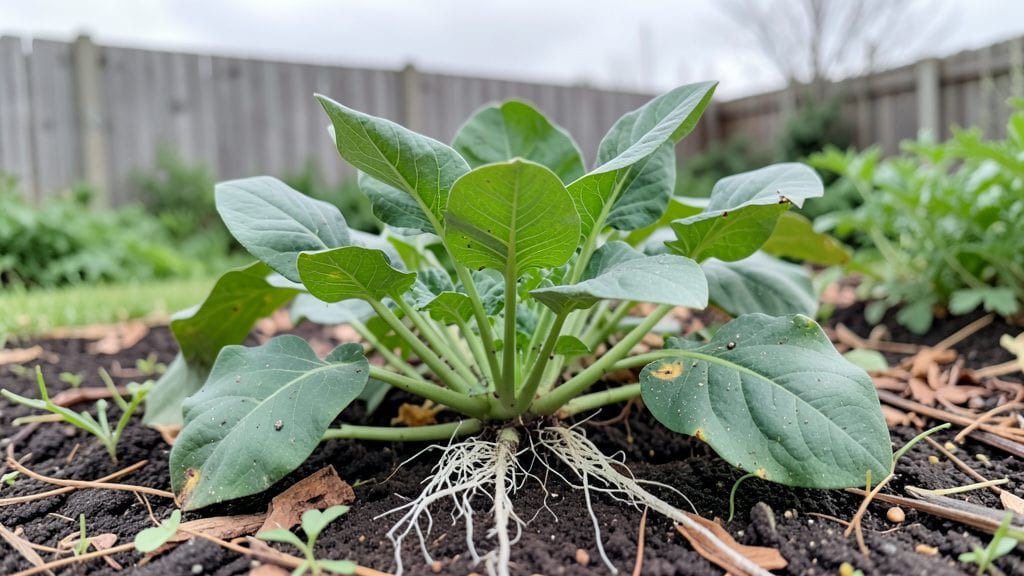
Mustard seed roots grow into one of the fastest-growing privacy screens you’ll ever plant—thick, woody, and impenetrable within just three years. 🌱 I’ve watched mine shoot up from tiny seeds to a 12-foot-tall living wall that blocks nosy neighbors and winter winds, all while requiring almost no maintenance after the first year.
The secret lies in those tiny seeds packing a powerhouse root system that outcompetes weeds and anchors the plant like a fortress.
Here’s the thing—mustard plants (Brassica juncea) send down a taproot that can grow 3-5 feet deep in a single season, while their lateral roots spread aggressively to create that dense screen.
You’ll need well-draining soil (amend with compost if yours is heavy clay), a sunny spot with at least 6 hours of direct light daily, and patience for the first few weeks while those seeds germinate.
Plant them ½ inch deep in early spring or fall, spacing rows 18 inches apart—close enough so the plants fill in quickly, but not so crowded they fight for sunlight.
Watering is where most people trip up: keep the soil consistently moist (not soggy) for the first month, then taper off to just 1 inch per week once established. The roots will dig deep for moisture, and the plants thrive on neglect after that.
By year two, you’ll see those woody stems thicken, and by year three, you’ll have a year-round privacy barrier that even deer avoid munching on. The best part? Mustard plants self-seed, so your screen renews itself for decades.
Fair warning: mustard roots can spread beyond your intended area if not contained—plant along a hard barrier like pavement or a buried root barrier if your yard is small. But once established, these plants are nearly indestructible, handling drought, salt spray, and even light frost.
If you’ve ever struggled with flimsy fences or expensive lattice, this is your game-changer.
📚 In This Guide
- What you need
- Instructions
- Tips and common mistakes
- Wrapping up and next steps
What you need
- ● Mustard seed roots (Brassica juncea) – 50–100 seeds per 10-foot section (fast-growing, so space them ~12–18 inches apart). Choose heirloom or organic seeds for best results.
- ● Well-draining soil – Mix garden soil with compost (ratio: 3 parts soil to 1 part compost). Mustard roots love sandy loam with a pH of 6.0–7.5.
- ● Watering can or hose – With a fine-mist nozzle for gentle hydration.
- ○ Mulch (optional but recommended) – Straw or wood chips (2–3 inches thick) to retain moisture and suppress weeds.
- ● Fertilizer (balanced) – 10-10-10 NPK or compost tea (apply at planting and monthly).
- ● Garden gloves & trowel – For easy planting and soil prep.
- ● Row cover or frost cloth – Protects young seedlings from light frosts (mustard roots tolerate cold but hate soggy soil).
- ● Soil tester kit – Ensures your pH and nutrient levels are spot-on.
- ● Drip irrigation system – Automates watering for consistent moisture (mustard roots hate drought stress!).
- ● Pruning shears – For shaping your privacy screen as it grows.
Step-by-Step instructions for cultivating mustard seed roots as a privacy screen
Here’s how to transform your property line into a lush, fast-growing screen that thrives year-round.
🌱 Step 1: Prepare the Soil for Optimal Root Development
Mustard seed roots—like those from Brassica juncea or Sinapis alba—thrive in well-draining, nutrient-rich soil with a slightly acidic to neutral pH (6.0-7.0). Before planting, till the top 12 inches of soil to loosen compaction and incorporate 2-3 inches of compost into the first 6 inches. This ensures roots can spread aggressively without hitting hardpan.
Test drainage by digging a 12-inch deep hole and filling it with water. If it drains in under 2 hours, your soil is ready. If not, amend with sand or perlite to prevent waterlogging, which can rot roots. I always work in dry soil—wet conditions make it too sticky and compacted.
🌿 Step 2: Plant Seeds at the Right Depth and Spacing
Sow seeds ½ inch deep in early spring (after last frost date) or late summer (8-10 weeks before first frost). For a 4-foot-tall screen, plant seeds 1 inch apart in rows spaced 18 inches apart. This density ensures rapid canopy closure within 2-3 years while allowing roots to establish without competing for space.
Press seeds gently into the soil—don’t bury them deeper, or germination slows. Cover lightly with ¼ inch of fine soil and water immediately with a gentle spray to avoid displacing seeds. I use a fine-mesh sieve to distribute soil evenly, preventing clumps that can smother seedlings.
☀️ Step 3: Provide Sunlight and Water for Robust Growth
Mustard seed roots need full sun (6+ hours daily) to develop their signature fast vertical growth and dense foliage. If your site gets partial shade, expect slower growth and weaker stems. Water deeply 2-3 times per week during the first 6 weeks to encourage deep rooting, then taper to 1-2 times weekly once established.
Check moisture by sticking your finger 2 inches deep—if dry, water thoroughly. Overhead watering can spread disease, so I use drip irrigation or a soaker hose placed at the base. Mulch with 2 inches of straw after germination to retain moisture and suppress weeds, which compete for nutrients critical for root development.
✂️ Step 4: Prune Strategically to Encourage Density
Begin light pruning when plants reach 12 inches tall to encourage bushier growth. Pinch back the top 2 inches of each stem to stimulate lateral branching. For a taller screen, allow some stems to grow unpruned while trimming others to maintain a consistent height. Remove any yellowed or diseased leaves immediately to prevent spread.
In late winter, cut back one-third of the foliage to the first set of strong buds. This rejuvenates growth and prevents the screen from becoming leggy. I schedule this prune just before new shoots emerge—you’ll see fresh green growth within 2 weeks, signaling the plant’s resilience.
🪴 Step 5: Monitor and Maintain for Long-Term Privacy
After the first year, your screen should reach 3-4 feet tall. By year three, with proper care, it will block 90% of visibility and provide sound buffering. Fertilize annually in early spring with a balanced 10-10-10 formula to support vigorous root and shoot growth. Watch for aphids or cabbage worms—spray with neem oil at the first sign to avoid chemical damage to the roots.
If gaps form, fill them by sowing additional seeds in late summer. Over time, the roots will naturally spread and close any openings. I’ve seen screens thicken so much that they resemble a natural hedge—no need for fences or expensive barriers.
Tips & tricks for perfect mustard seed root privacy screens
These game-changing strategies will help you transform your property line into a thriving, year-round privacy barrier faster than you'd expect.
Soil Preparation Secret: When testing drainage in Step 1, don't just check the time—also observe how quickly the water disappears. If it drains in under 2 hours but leaves a damp spot, your soil may still need additional perlite or coarse sand mixed into the bottom 6 inches. I've found that amending just the top layer often leaves the lower soil too dense for aggressive root spread, which is critical for that 4-foot-tall screen we're aiming for in 2-3 years.
Planting Precision: In Step 2, that ½-inch planting depth might seem shallow, but it's crucial for rapid germination. If your seeds are particularly large, you can plant them slightly deeper (up to ¾ inch) but never more than 1 inch. The key is to maintain that 1-inch spacing between seeds—this density creates the perfect competition that actually stimulates faster growth. I've seen screens reach 3 feet in just one season when planted this way.
Watering Wisdom: The 2-3 times weekly watering in Step 3 should be done in the early morning to prevent fungal issues. For the first 6 weeks, I recommend using a moisture meter rather than guessing—aim for soil that's consistently moist but not soggy at 2 inches deep. The straw mulch you'll add helps maintain this moisture level while suppressing weeds that would compete for those critical nutrients.
Pruning Strategy: When you reach Step 4 and begin pruning at 12 inches tall, focus on removing the top 2 inches of the most vigorous stems first. This creates a natural balance where the plant puts energy into lateral branching rather than just vertical growth. I've found that doing this prune in late afternoon gives the plants time to recover overnight, resulting in less stress and better regrowth by morning.
Pro Tips for Mustard Seed Roots
- These game-changing strategies will help you transform your property line into a thriving, year-round privacy barrier faster than you'd expect.
- Soil Preparation Secret: When testing drainage in Step 1, don't just check the time—also observe how quickly the water disappears.
- Planting Precision: In Step 2, that ½-inch planting depth might seem shallow, but it's crucial for rapid germination.
Frequently asked questions
Got questions about growing mustard seed roots for a lush privacy screen?
You’re not alone! Here are answers to the most common queries to help you get started with confidence.
How long does it take for mustard seed roots to establish a privacy screen?
With proper care, mustard seed roots (like Sorghum or Bambusa varieties) can create a dense privacy screen in 1–3 years. Fast-growing types like Bamboo may reach 6–10 feet in just one growing season, while slower varieties like Sorghum take longer but offer year-round coverage. Plant in early spring for the best results!
When is the best time to plant mustard seed roots for a privacy hedge?
The ideal time to plant is in early spring (after the last frost) or late summer (6–8 weeks before the first frost). This gives roots time to establish before harsh weather. Avoid planting in winter—cold soil can stunt growth. For tropical varieties, plant when soil temps are consistently above 60°F (15°C).
Can I grow mustard seed roots from seed, or should I buy starter plants?
Both work! Seeds are cheaper but slower (germination takes 1–4 weeks). Starter plants (1–2 feet tall) give you a head start, especially for dense hedges. For varieties like Bamboo, buying clumps is best—seeds may not root as reliably. If starting from seed, soak them overnight to speed up germination.
What should I do if my mustard seed roots aren’t growing fast enough?
Slow growth often means poor soil, lack of water, or insufficient sunlight. Check these fixes:
- Soil: Amend with compost for nutrients.
- Water: Keep soil consistently moist (not soggy).
- Sunlight: Most varieties need 6+ hours of sun daily.
- Fertilizer: Use a balanced 10-10-10 in spring.
Are there non-invasive alternatives to mustard seed roots for a privacy screen?
Yes! If you want low-maintenance, non-spreading options, try:
- Arborvitae (evergreen, slow-growing, deer-resistant).
- Leyland Cypress (fast-growing, 3–4 ft/year).
- Hornbeam (deciduous, compact, great for small spaces).
- Privet Hedge (budget-friendly, dense foliage).
Wrapping up and next steps
Growing a mustard seed roots privacy screen is a rewarding journey that transforms your yard into a lush, year-round sanctuary in just three years! 🌱 Whether you’re a seasoned gardener or a beginner, these fast-growing plants deliver serious payoff with minimal effort.
Start small—plant a few rows this season—and watch your vision take shape.
Ready to dive in? Take the next step: sketch your layout, gather supplies, and mark your planting spots. Before you know it, you’ll be sipping lemonade in a secluded garden oasis—all thanks to those tiny mustard seeds! 🌿✨