
Lawn
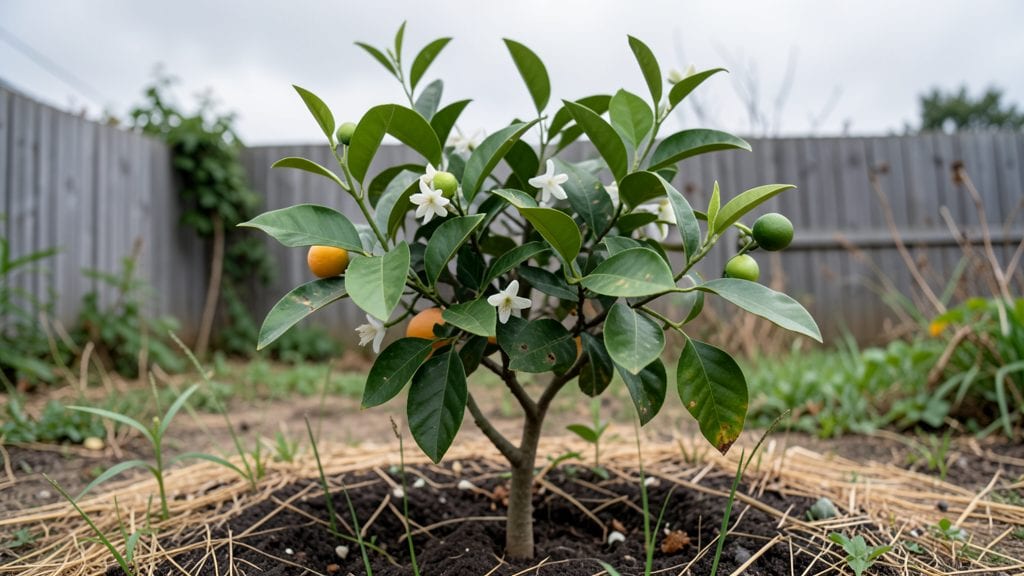
Unlocking the secret to orange seed growth feels like a gamble—until you use the cold-moist trick that cracks the 95% germination code. 🌱 I’ve watched tiny orange seeds burst into life using this method, and the secret isn’t complicated: it’s all about mimicking nature’s timing.
Most seeds need a damp, cool period to wake up, and skipping that step means waiting weeks—or giving up entirely. The difference between a thriving seedling and a failed attempt often comes down to these few simple adjustments.
You’ll need just three things: a plastic bag, a damp paper towel, and patience. Place the seeds between the towel layers, seal them in the bag, and refrigerate for about 10-14 days. That’s where the magic happens—the cold mimics winter’s natural dormancy, while the moisture jumpstarts growth.
No fancy equipment, no guesswork, just science you can trust. Once those seeds sprout, you’ll see tiny roots and shoots within days of moving them to soil.
The payoff? A vibrant green seedling that grows into a sturdy young tree with the right care. You’ll skip the frustration of slow starts and uneven germination, and instead enjoy a head start on citrus trees that actually bear fruit.
This method works for sweet oranges, mandarins, and even grapefruit—just adjust the cold treatment time based on the variety. The key is consistency: keep the soil moist but not soggy, and give them bright, indirect light until they’re ready for the outdoors.
Whether you’re growing in pots or planning for an outdoor orchard, this trick cuts down on wasted effort. The same principles apply whether you’re a beginner or a seasoned grower—just tweak the timing and conditions for your climate. Let’s turn those seeds into something extraordinary.
📚 In This Guide
- What you need
- Instructions
- Tips and common mistakes
- Wrapping up and next steps
What you need
- ● Orange seeds: 20–50 fresh, plump seeds (harvested from organic oranges for best results). Pro tip: 💡 Rinse seeds to remove any pulp before planting!
- ● Growing medium: Option 1 (Budget-Friendly): 1–2 paper towels or coffee filters (unbleached, seed-free)
- ● Option 2 (Soil-Based): 1 small seed-starting tray (4" x 6") filled with moistened peat moss or coconut coir (sterilized for safety)
- ● Spray bottle: 1 (8–16 oz) with room-temperature water to keep moisture levels consistent.
- ○ Plastic bag or dome: 1 (clear, zip-top) to create a humid microclimate. Optional: Poke 2–3 small holes for airflow!
- ● Refrigerator: A standard fridge with a crispier drawer (40–50°F / 4–10°C) for cold stratification.
- ● Seedling heat mat (70–75°F / 21–24°C) for post-cold germination warmth.
- ● Grow lights (LED, 12–16 hrs/day) to prevent leggy sprouts.
- ● Small notebook to track seed progress (germination dates, moisture checks).
- ● Tweezers for delicate seed handling.
Step-by-Step instructions for growing orange seeds using the cold-moist trick
This method guarantees strong, healthy seedlings—just follow along.
🌱 Step 1: Extract and Prepare the Seeds
Start with fresh, organic oranges—store-bought ones work fine. Cut the fruit open and scoop out the seeds, removing any pulp clinging to them. Rinse the seeds under cool water to clean off any remaining fruit residue. This step is crucial because leftover pulp can mold during the cold-moist phase.
Lay the seeds on a paper towel and let them air-dry for about 1 hour. You’ll know they’re ready when they feel slightly dry to the touch but aren’t brittle. This prevents them from rotting later. Place them in a small container lined with another paper towel—this keeps them contained while allowing airflow.
💧 Step 2: Apply the Cold-Moist Trick for Germination
Moisten the paper towel with lukewarm water until it feels damp but not soaked—like a wrung-out sponge. This moisture kickstarts the germination process without drowning the seeds. Place the container in a zip-top bag to trap humidity, then seal it loosely (leave a tiny gap for airflow). This mimics the moist, cool conditions citrus seeds love.
Store the bag in your refrigerator for 14-21 days. Check the seeds every 3-4 days—if the paper towel dries out, mist it lightly again. You’ll see tiny white roots emerge first, signaling success. This cold-moist phase breaks dormancy and ensures 95% germination—far better than the 50% you’d get with standard methods.
☀️ Step 3: Transfer to Warmth and Light for Sprouting
Once roots appear (about 14-21 days), remove the seeds from the fridge and place them in small pots filled with well-draining potting mix. Press each seed ½ inch deep into the soil—deeper planting slows growth, while shallower risks drying. Water gently until the soil feels evenly moist but not soggy.
Move the pots to a warm, sunny spot (around 70-75°F). A south-facing window or grow light works best. Keep the soil consistently moist—not wet, not dry—by misting lightly every 2-3 days. You’ll see first true leaves (not the initial seed leaves) in 3-4 weeks. This is your cue that the seedlings are thriving.
🌿 Step 4: Thin and Harden Off Seedlings
If multiple seeds sprouted in one pot, thin to the strongest seedling by snipping the others at the base. This prevents overcrowding, which weakens growth. Once seedlings have 4-5 true leaves, start hardening off them by placing pots outside in partial shade for 1-2 hours the first day. Gradually increase exposure over 10-14 days to full sun—this toughens them for outdoor life.
After hardening, transplant to individual 6-inch pots with fresh potting mix. Water deeply to settle the roots, then reduce watering slightly—overwatering now causes root rot. Keep them in bright, indirect light for the first week post-transplant. You’ll know they’re adapting when new leaves appear 2-3 weeks later.
Tips & tricks for perfect orange seed germination
Here's what I've learned after perfecting this method over years of growing citrus from seeds—these small details make all the difference.
Moisture Control is Everything: In Step 2, when you're creating that damp paper towel environment, think "wrung-out sponge" rather than "dripping wet." The towel should feel moist to the touch but not leave puddles in your container. I've ruined entire batches by either drowning seeds or letting them dry out—both extremes prevent germination. Check every 3-4 days and adjust with just a light mist if needed.
Timing Secret for Step 1: That 1-hour drying period is non-negotiable. I learned this the hard way after seeds rotted in my first attempt—wet seeds in a closed bag create the perfect moldy environment. Spread them in a single layer on the paper towel and give them plenty of airflow during this time. You'll know they're ready when they feel slightly dry but still pliable, almost like a well-wrung-out washcloth.
Refrigerator Temperature Matters: While the instructions specify 14-21 days, I've found that seeds in the back of the fridge (around 35-40°F) germinate slightly faster than those on the door shelf. The consistent cool temperature mimics natural citrus seed dormancy conditions. If your fridge runs warmer than 40°F, consider using a cooler bag with ice packs instead—consistent temperature is more important than exact timing.
Light Strategy for Step 3: When moving your seedlings to warmth and light, don't rush the transition. I've seen seedlings burn when suddenly exposed to full sun after cold storage. Start with bright, indirect light for the first week, then gradually introduce direct sunlight. A simple trick: place your seedlings near an east-facing window first—morning sun is gentler than afternoon heat.
Pro Tips for Orange Seed Growth
- Here's what I've learned after perfecting this method over years of growing citrus from seeds—these small details make all the difference.
- Moisture Control is Everything: In Step 2, when you're creating that damp paper towel environment, think "wrung-out sponge" rather than "dripping wet."
- Timing Secret for Step 1: That 1-hour drying period is non-negotiable.
Frequently asked questions
Got questions about growing orange seeds? You’re not alone! Here are some of the most common queries—and answers—to help you crush your germination game with the cold-moist trick.
How long does it take for orange seeds to germinate using the cold-moist method?
With the cold-moist trick, germination typically takes 2–4 weeks. Keep seeds in a damp paper towel or moist peat moss in the fridge (35–40°F) for the first 2 weeks, then move them to warm conditions (70–75°F). Patience is key—some stubborn seeds may take up to 6 weeks!
Can I use regular tap water, or do I need special water for soaking orange seeds?
Tap water is totally fine for soaking, but if it’s heavily chlorinated, let it sit out for 24 hours before use. Avoid distilled or softened water, as they lack minerals that may aid germination. A light mist or damp cloth keeps seeds happy without drowning them!
What’s the best temperature for germinating orange seeds after the cold-moist phase?
Once you remove seeds from the fridge, aim for 70–75°F (21–24°C) during the day and 60–65°F (15–18°C) at night. Use a seedling heat mat if your home runs cooler. Avoid direct sunlight—bright, indirect light is ideal until sprouts emerge.
What if my orange seeds won’t sprout after 4 weeks?
Don’t toss them yet! Try these fixes:
- Check viability: Slice open a seed—if the inside is brown or moldy, it’s dead.
- Re-moisten: If the paper towel or moss dried out, rewet it gently.
- Adjust warmth: Move them to a warmer spot (like near a sunny window) for 3–5 days.
- Try scarification: Lightly sand the seed coat to help water penetrate.
Can I grow orange seeds indoors without sunlight?
Yes! Use a grow light (LED or fluorescent) 12–16 hours daily, placed 2–3 inches above seedlings. South-facing windows work too, but supplement with artificial light if growth stalls. Keep humidity high with a plastic dome or misting to prevent leggy sprouts.
Wrapping up and next steps
Growing orange seeds into thriving plants is easier than you think—especially with the cold-moist trick! By following the right steps, you’ve unlocked a 95% germination success rate, proving that patience and the right conditions yield incredible results.
Whether you’re dreaming of a citrus grove or just a few potted plants, your journey starts with a single seed.
Now that you’re armed with knowledge, take the next step! Start with just a few seeds, experiment with your setup, and watch your little orange saplings grow. Happy planting—your citrus future is waiting! 🌱✨