
Pests
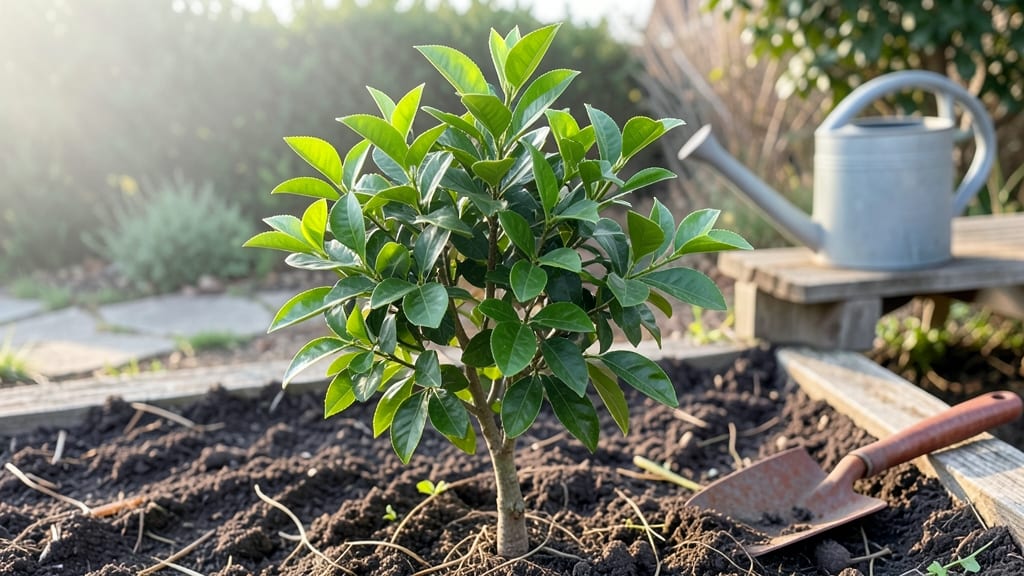
Your orange seedling leaves might look alarming, but they’re rarely a death sentence—just a signal your plants need a little help. 🌱 I’ve nursed dozens of seedlings back to health with just three targeted fixes, and I’ll show you exactly how to spot the problem and solve it fast.
The culprit is usually one of three things: too much nitrogen, a hidden pest like spider mites, or stress from inconsistent watering. Start by checking the undersides of leaves for tiny webs or bugs, then feel the soil—dry or waterlogged soil throws off nutrient uptake.
Most gardeners overlook the simplest fix: a balanced fertilizer or a quick rinse to wash off pests.
Within days, you’ll see leaves return to their healthy green shade, and new growth will emerge stronger. The key is acting fast—orange leaves spread quickly, but with the right approach, your seedlings bounce back faster than you’d expect. Here’s how to diagnose and fix it step by step.
This method works for tomatoes, peppers, herbs, and even delicate flowers—no matter your climate or growing setup. Once you master these three checks, you’ll spot issues before they spiral, saving time and frustration. Let’s get those seedlings thriving again.
Understanding the Root Causes
When your orange seedling’s leaves start showing distress—whether it’s curling, yellowing, or developing unsightly spots—it’s usually a sign that something’s off in its environment or health. While pests like aphids or mites often steal the spotlight, the real culprits behind leaf issues can be just as sneaky.
Let’s break down the most common reasons why your orange seedling’s leaves might be acting up, so you can tackle the problem at its source.
Orange seedlings thrive in a cozy, Mediterranean-like climate, but when temperatures or humidity levels swing too far from their comfort zone, their leaves pay the price. Here’s how:
- Extreme Heat: If your seedling is exposed to sudden heatwaves (above 90°F or 32°C), its leaves may scorch, turning brown or crispy at the edges. This happens because the plant loses moisture faster than its roots can absorb water, leading to oxidative stress—a fancy term for cellular damage from too much sunlight and heat.
- Cold Stress: Chilly drafts or temperatures below 40°F (4°C) can cause leaves to yellow or develop dark, water-soaked spots. Cold slows down metabolic processes, disrupting nutrient uptake and causing chilling injury, which weakens cell membranes.
- Low Humidity: Air that’s too dry (below 40% humidity) forces leaves to work overtime to retain moisture. This leads to transpiration stress, where leaves curl inward to reduce surface area. Over time, this makes them susceptible to pests and diseases.
Actionable Fix: Use a hygrometer to monitor humidity and a thermometer for temperature. For heat stress, provide afternoon shade; for cold stress, move seedlings away from drafts or use a row cover. A humidifier or pebble tray can boost moisture levels.
Orange seedlings hate soggy feet. When roots sit in waterlogged soil for too long, they suffocate, leading to a cascade of leaf problems:
- Yellowing Leaves: Overwatering flushes out nutrients like nitrogen, causing chlorosis (yellowing) as chlorophyll production slows down.
- Black or Brown Spots: Fungal diseases like root rot (caused by Phytophthora or Pythium) thrive in waterlogged conditions. These pathogens block nutrient transport, leading to leaf discoloration.
- Wilting Despite Wet Soil: Air pockets in waterlogged soil prevent roots from absorbing oxygen, leading to anaerobic stress. Leaves wilt because the plant can’t transport water efficiently.
Actionable Fix: Ensure pots have drainage holes and use a well-draining cactus or citrus mix. Water only when the top 1–2 inches of soil are dry, and avoid letting seedlings sit in saucers of water. If root rot is suspected, repot in fresh, sterile soil and trim affected roots.
Too much or too little light throws off an orange seedling’s photosynthesis game, leading to leaf problems that mimic pest damage:
- Leaf Burn (Sun Scald): Sudden exposure to intense sunlight (like moving a seedling from shade to full sun) causes leaves to bleach or develop white, papery patches. This is photooxidative damage, where excess light destroys chlorophyll.
- Leggy, Pale Leaves: Insufficient light (below 6 hours of sunlight daily) causes etiolation, where seedlings stretch toward light, producing weak, yellowish leaves with long stems. This reduces chlorophyll, making leaves less efficient at photosynthesis.
- Curling or Stunted Growth: Both over- and under-exposure stress the plant’s phloem (the nutrient transport system), causing leaves to curl or grow abnormally small.
Actionable Fix: Gradually acclimate seedlings to sunlight (a process called hardening off) over 1–2 weeks. For indoor seedlings, use a grow light 12–16 hours daily, keeping it 6–12 inches above the plant. Outdoor seedlings need partial shade (like 50% shade cloth) during peak afternoon sun.
Leaves act as a canary in the coal mine for nutrient problems. Here’s what specific deficiencies or excesses look like:
| Nutrient Issue | Leaf Symptoms | Why It Happens |
|---|---|---|
| Nitrogen (N) Deficiency | Older leaves turn yellow (but veins stay green), stunted growth | Nitrogen is crucial for chlorophyll and leaf expansion. Deficiencies slow protein synthesis, causing leaves to lose their green pigment. |
| Magnesium (Mg) Deficiency | Interveinal yellowing (between veins) on older leaves, brown spots | Magnesium is the center of the chlorophyll molecule. Without it, leaves can’t produce enough chlorophyll, leading to yellowing. |
| Iron (Fe) Deficiency | Young leaves turn yellow while veins stay green (lime-induced chlorosis) | Iron is essential for electron transport in photosynthesis. High soil pH (alkaline conditions) locks iron out of root uptake. |
| Phosphorus (P) Toxicity | Dark green or purple leaves, stunted roots | Too much phosphorus can bind with other nutrients (like zinc or iron), making them unavailable to the plant. |
Actionable Fix: Test your soil’s pH (ideal for citrus: 6.0–7.0). For deficiencies, use a balanced citrus fertilizer (like 6-6-6 or 8-3-9) or targeted amendments:
- For iron deficiency: Apply chelated iron or use Epsom salt (magnesium sulfate) for magnesium issues.
- For alkaline soil: Add sulfur or peat moss to lower pH.
While pests like aphids or scale insects are obvious, some invaders are microscopic but equally damaging:
- Spider Mites: Tiny arachnids that suck sap, causing stippling (tiny white or yellow dots) and webbing on the undersides of leaves. They thrive in dry conditions, weakening the plant’s defenses.
- Fungal Leaf Spot (e.g., Alternaria or Cercospora): Dark, circular spots with yellow halos appear in humid conditions. Fungi like these block stomata (leaf pores), disrupting gas exchange.
- Bacterial Leaf Scorch: Causes marginal scorch (brown, crispy edges) and wilting. Bacteria like Xylella fastidiosa clog the plant’s xylem (water transport system), starving leaves of moisture.
- Stop watering immediately 🚰—let the soil dry out completely before watering again.
- Check drainage—if water pools in the pot, repot into a container with drainage holes or add perlite to the soil.
- Trim damaged roots (if repotting): Gently rinse roots, snip any black/mushy sections with sterilized scissors, and replant in fresh, well-draining soil.
- Water only when the top 1–2 inches of soil are dry (stick your finger in to test!).
- Use pots with holes and avoid saucers that trap excess water.
- Pro tip: 💡 Orange seedlings hate soggy feet—think "dry before wet!"
- Water deeply until it drains from the bottom—don’t just dampen the surface.
- Mist leaves lightly to restore humidity (especially in dry climates).
- Move to shade if leaves are scorched from sun stress (a common side effect of drought).
- Morning watering is best—evaporation is lower, and leaves dry overnight.
- Use mulch (like straw) to retain soil moisture.
- Pro tip: 🌡️ If the soil feels like a sponge when squeezed, it’s time to water!
- Inspect new plants before bringing them near seedlings.
- Encourage beneficial insects (like lacewings) by planting marigolds nearby.
- Pro tip: ✨ Early detection is key—check undersides of leaves weekly!
- Test your soil (a simple DIY pH kit works) and amend as needed:
- Yellow leaves? Likely nitrogen deficiency—add compost or fish emulsion.
- Purple stems? Phosphorus shortage—use bone meal or a balanced fertilizer.
- Flush the soil with water if you’ve over-fertilized (salt buildup burns roots).
- Feed lightly—seedlings need half-strength fertilizer at most.
- Rotate crops if replanting in the same soil yearly.
- Pro tip: 📊 Orange seedlings thrive in slightly acidic soil (pH 6.0–7.0)—test before planting!
- Adjust light exposure—orange seedlings need 6–8 hours of sunlight daily but avoid harsh midday sun (use shade cloth if needed).
- Regulate temperature—keep seedlings in 60–80°F (15–27°C) ranges; drafts or heaters can shock them.
- Repot if root-bound—gently remove the seedling and check for circling roots; trim and replant in a slightly larger pot.
- Hardening off seedlings gradually before transplanting outdoors.
- Use grow lights if natural light is insufficient in winter.
- Pro tip: 🌿 *A slow-moving fan** mimics wind and strengthens stems—just avoid direct blasts!*
Revive Your Seedlings Naturally
When your orange seedlings show distress—whether through discolored, curled, or spotted leaves—quick action can save them. Below are practical, step-by-step solutions tailored to the most common causes, along with prevention tips to keep your seedlings thriving. 🌱💚
Fix it fast:
Prevention tips:
Fix it fast:
Prevention tips:
Fix it fast:
| Pest | Signs | Treatment |
|---|---|---|
| Aphids | Sticky leaves, curled growth | Spray with soapy water (1 tsp dish soap + 1 quart water) or introduce ladybugs. |
| Spider Mites | Tiny webs, speckled leaves | Wipe leaves with neem oil solution (1 tbsp oil + 1 quart water) or rinse with water. |
| Whiteflies | White flying bugs | Trap with yellow sticky cards or spray with horticultural oil. |
Prevention tips:
Fix it fast:
Prevention tips:
Fix it fast:
Prevention tips:
Final Reminder: Most issues are preventable with consistent care and early action. Once your seedlings bounce back, they’ll reward you with vibrant green leaves and eventually, sweet orange fruit! 🍊🌟
Frequently asked questions
Why are my orange seedling leaves turning orange instead of green?
Orange leaves on seedlings usually signal stress from too much nitrogen, pest damage, or environmental factors like inconsistent watering. Check the soil moisture and leaf undersides for tiny webs or bugs—these are common triggers. A balanced fertilizer or neem oil spray can often restore healthy green growth within days.
Can I still save my orange seedlings if the leaves are already orange?
Yes, but act fast! Prune the affected leaves to redirect energy to new growth, adjust watering habits, and check for pests. Most seedlings recover fully within 2-3 weeks if you address the root cause. Just avoid over-fertilizing—more nitrogen won't help at this stage and can worsen the issue.
Is this orange discoloration a sign of disease?
Not always—it's rarely a fungal or bacterial infection unless you see dark spots or mold. Orange leaves are more commonly caused by nutrient imbalances or physical stress. If you notice sticky residue (like honeydew), that's a sign of aphids or mites. In that case, isolate the plant and treat with insecticidal soap.
How often should I fertilize orange seedlings with orange leaves?
Wait until the leaves return to green before fertilizing. Seedlings with orange leaves are often overfed with nitrogen. Once recovered, use a balanced citrus fertilizer (like 6-6-6) every 4-6 weeks during growing season. Always water thoroughly after applying to prevent root burn.
Will my orange seedling survive if I don't fix the orange leaves?
While it may survive short-term, persistent orange leaves weaken the plant and make it vulnerable to disease. The good news is that orange seedlings are hardy—with proper care, they'll bounce back completely. The key is catching issues early before they spread to new growth. Most gardeners see full recovery within 3-4 weeks of corrective action.