
Watering
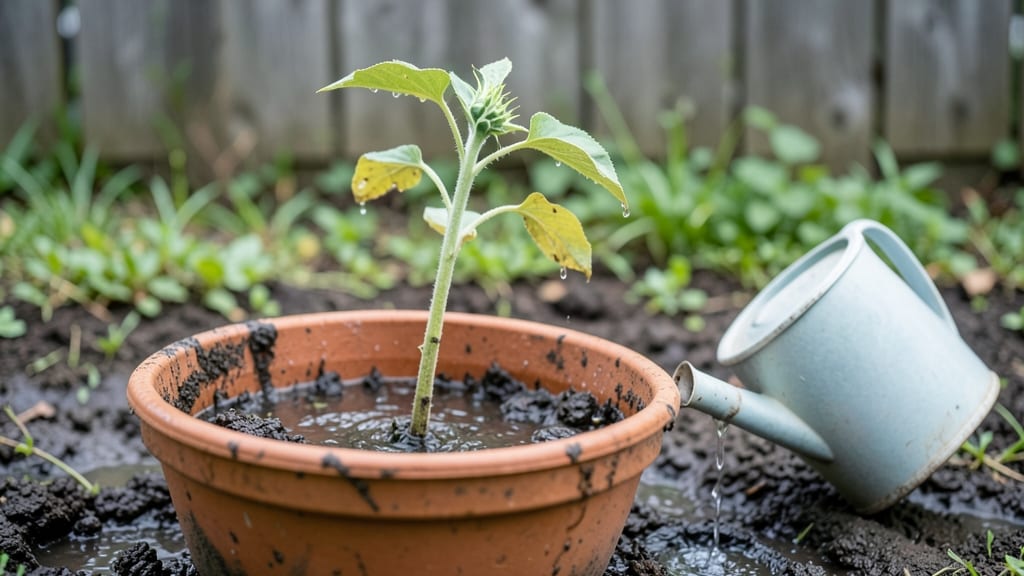
Overwatered sunflower seedlings can look like a lost cause—until you know the three simple fixes that bring them back from the brink. I’ve nursed more than a few back to health after they turned into sad, droopy messes, and the secret isn’t complicated: it’s all about drainage, air, and timing.
The moment you spot yellowing leaves or mold creeping up the stem, you’ve got a window to turn things around.
Most people assume sunflowers need constant water, but they’re actually tougher than they look. The real enemy is soggy soil that suffocates roots and invites fungus. Start by letting the top 2 inches of soil dry out between waterings—this alone cuts the risk of rot in half.
If your seedlings are already in a container, poke a few drainage holes in the bottom if they’re missing, and switch to a lighter potting mix with perlite or sand.
Within 48 hours of adjusting care, you’ll see the first signs of recovery: leaves perking up, stems standing straighter, and no more black spots. Keep an eye out for new growth at the base—this means your seedlings are breathing again.
The key is consistency: once you’ve fixed the watering, stick to it, and your sunflowers will shoot up like they never had a problem.
This works for both container-grown seedlings and those in garden beds with poor drainage. The same rules apply whether you’re dealing with a single pot or a whole tray of seedlings—just scale up the fixes.
Before you know it, you’ll have sunflowers reaching for the sky, not wilting in the dirt.
Root Causes Of Overwatered Seedlings
Sunflowers may seem hardy, but their delicate seedlings are surprisingly sensitive to excess moisture. Understanding why this happens is the first step to preventing it—and saving your young plants. Here’s a breakdown of the key factors that lead to soggy soil and struggling sunflower starts.
Sunflower seedlings thrive in well-draining soil, but heavy clay, compacted earth, or containers without drainage holes trap water like a sponge. When roots sit in soggy conditions, they suffocate from a lack of oxygen, leading to:
- Root rot: Fungal pathogens like Pythium or Phytophthora multiply in waterlogged soil, attacking tender roots within 24–48 hours.
- Nutrient leaching: Excess water washes away essential minerals (nitrogen, phosphorus, potassium) that seedlings need to grow.
- Stunted growth: Roots can’t absorb water efficiently, causing wilting even when the soil feels damp.
💡 Pro Tip: Test your soil’s drainage by filling a container with water—if it drains slower than 30 minutes, amend with perlite, sand, or coconut coir to improve airflow.
Sunflower seedlings don’t need daily drinks—their shallow root systems can’t handle frequent soaking. Common mistakes include:
- Watering on a schedule: Seedlings should only be watered when the top 1–2 inches of soil feel dry to the touch (stick your finger in to check!).
- Using overhead sprinklers: Wet foliage encourages fungal diseases like downy mildew, which thrives in humid conditions.
- Ignoring container size: Small pots dry out faster, but overwatering to "keep them moist" drowns roots instead.
🌡️ Science Note: Sunflowers are drought-tolerant once established—their deep taproots seek water, but seedlings lack this ability. Think of them like a toddler: too much "help" (water) can be just as harmful as too little.
Where and how you grow your seedlings plays a huge role in moisture control. Common pitfalls:
- Shady or low-light spots: Plants in indirect light transpire (release moisture) slower, so excess water lingers. Move seedlings to full sun (6+ hours/day) once they sprout their first true leaves.
- Plastic or non-breathable pots: These trap humidity against roots, accelerating rot. Opt for fabric grow bags or terracotta pots for better airflow.
- Grouped too closely: Overcrowded seedlings compete for oxygen and water, creating a damp microclimate that breeds mold.
✨ Fix It Fast: If using containers, elevate them on a tray with pebbles to prevent water pooling at the bottom.
Once you identify the root cause (or causes!) of your overwatered seedlings, you’re ready to tackle the fixes. Next up: how to rescue your soggy starts before it’s too late.
Revive Your Seedlings Now
Overwatering can turn your sunflower seedlings from vibrant and hopeful into a sad, soggy mess—but don’t worry, it’s fixable! The key is acting fast and adjusting your care routine.
Below, we’ll break down the most common causes of overwatering and pair them with simple, actionable fixes to get your seedlings back on track. Plus, we’ll share prevention tips to keep your sunflowers thriving long-term.
Fix: Drain, aerate, and refresh the soil to restore airflow and prevent root rot.
- 🔥 Remove the Seedling Gently Carefully lift the seedling from the pot or garden bed, shaking off excess soil to inspect the roots. If they’re dark, mushy, or smell foul, trim any blackened or squishy parts with sterilized scissors—this helps prevent further rot.
- 🍳 Repot in Fresh, Well-Draining Soil Choose a clean pot (or a new spot in the garden) with drainage holes.
Use a mix of: - 60% potting soil (lightweight, not garden dirt) - 30% perlite or vermiculite (for aeration) - 10% sand or coconut coir (to improve drainage) Fill the pot halfway, place the seedling at the same depth as before, and top with more soil.
- ⏰ Let It Dry Out Before Watering Again Wait 2–3 days before watering lightly. Stick your finger 1 inch into the soil—if it’s dry, give it a slow sip of water (only until the top inch is moist). Avoid soggy soil for at least a week.
💡 Pro Tip: If repotting isn’t an option, dig a small trench around the seedling to improve drainage in the garden bed. Add a handful of perlite or coarse sand to the hole before backfilling.
Fix: Upgrade your pots and watering habits to avoid future sogginess.
- 👨🍳 Check Your Pot Setup
- No drainage holes? Drill 2–4 holes in the bottom of the pot to let excess water escape.
- Using a saucer? Empty it immediately after watering—never let seedlings sit in standing water.
- 🥘 Adjust Your Watering Schedule Sunflower seedlings hate wet feet.
Instead of daily watering: - Water only when the top 1–2 inches of soil feel dry (use your finger as a gauge). - Water deeply but infrequently—aim for 10–15 minutes per session (adjust based on pot size). - Morning watering is best—this gives excess moisture time to evaporate.
- ✨ Try the "Soak-and-Dry" Method
- Day 1: Water thoroughly until it drains from the bottom.
- Days 2–3: Let the soil dry out completely before watering again.
- Weekly: Flush the soil with water to prevent salt buildup (common in containers).
🎯 Prevention Hack: Place pots on elevated trays (like a grid or wooden board) to encourage faster drainage and airflow.
Fix: Improve airflow and protect seedlings from excess moisture.
- 🔪 Thin Out Crowded Seedlings If multiple seedlings are packed together, snip the weakest ones at the base with scissors. This reduces competition for water and improves airflow.
- 🌡️ Increase Air Circulation
- Indoors? Place a small fan on low speed near the seedlings (but not too close—just enough to create a gentle breeze).
- Outdoors? Space seedlings 6–12 inches apart and avoid planting in low-lying areas where water pools.
- 💡 Shield from Rain (If Needed) If your area gets frequent downpours, cover seedlings with a clear plastic dome (like a mini greenhouse) or a lightweight row cover during heavy rain. Remove it when skies clear to prevent mold.
🔥 Emergency Fix: If leaves are yellowing or wilting from humidity, spritz them with a fungicide (like neem oil or copper spray) to prevent powdery mildew.
To keep your sunflowers happy and drought-resistant:
- ✅ Use raised beds or containers with excellent drainage.
- ✅ Mulch around seedlings (but keep mulch 2 inches away from the stem to prevent rot).
- ✅ Monitor weather forecasts—adjust watering before storms.
- ✅ Choose fast-draining soil mixes (avoid heavy clay or garden soil).
- ✅ Water at the base (not overhead) to reduce fungal risks.
Frequently asked questions about soggy sunflower starts
How do I know if my sunflower seedlings are overwatered?
Check for yellowing leaves, especially at the base, and stems that feel mushy when touched. If the soil smells foul or has black spots, roots are likely rotting. Overwatered seedlings may also wilt despite damp soil—this happens when roots can't absorb moisture efficiently.
Can I save a seedling with blackened stems?
Yes, but act fast! Trim away the blackened portions with sterilized scissors and repot in fresh, well-draining soil. For best results, reduce watering to every 3-4 days until new growth appears at the base—this signals recovery.
Why do my sunflower seedlings get moldy after watering?
Excess moisture on leaves creates the perfect environment for fungal growth. Always water at the soil base (not overhead) and space seedlings 6 inches apart for airflow. If mold appears, spritz leaves with neem oil to prevent spread while you adjust your watering routine.
How often should I water sunflower seedlings?
Water only when the top 1-2 inches of soil feel dry—typically every 2-3 days in warm weather. Morning watering prevents evening dampness, and using a moisture meter helps avoid guesswork. Containers dry faster than garden beds.
What's the best soil mix to prevent overwatering?
Use a blend of 60% potting soil, 30% perlite, and 10% sand for optimal drainage. This lightweight mix prevents compaction while allowing excess water to escape. For garden beds, amend clay soil with compost and coarse sand.