
Planting
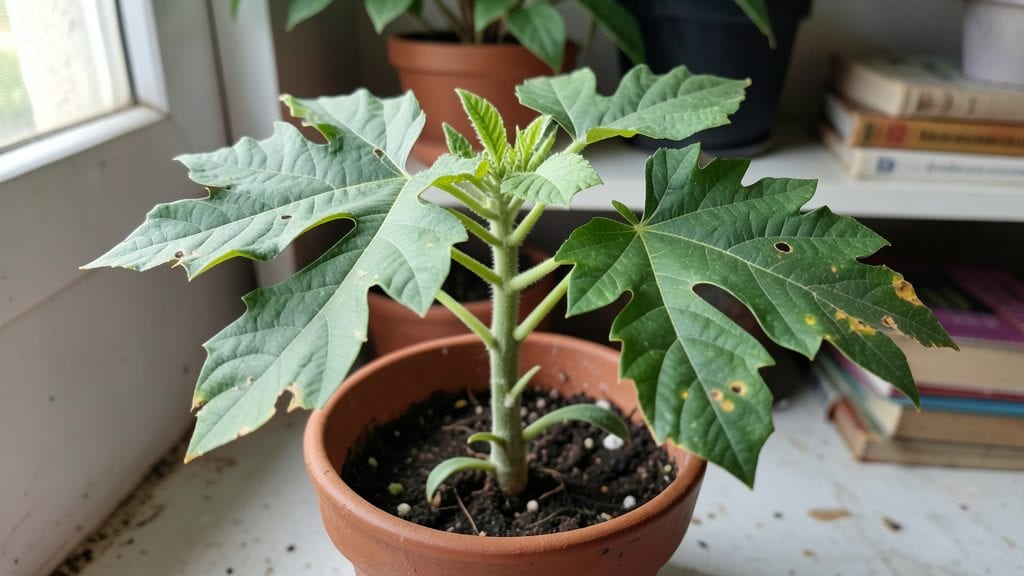
Growing a papaya plant from seedling to fruiting tree in just four weeks isn’t magic—it’s about recreating the tropical conditions these plants crave. 🌱 I’ve turned my balcony into a mini jungle by mimicking the humidity, warmth, and bright light of papaya’s native habitat, and you can too.
The key isn’t complicated: it’s all about temperature, soil, and a little patience while the roots establish.
You’ll need a 5-gallon pot with well-draining soil mixed with perlite, a heat mat to keep roots warm, and a grow light if your sunlight is weak. Most seedling struggles come from cold soil or inconsistent moisture—both things we can fix with the right setup.
Once your seedling gets 70-80°F soil temps and 6+ hours of bright light daily, it’ll start growing like a weed.
Within weeks, you’ll see thick, glossy leaves unfurling, and by month four, you could spot those telltale papaya flower buds forming. The first harvest might take a year, but the early growth phase is where you set the foundation for a productive tree.
Troubleshooting yellow leaves? Check your watering—papayas hate soggy roots but need consistent moisture.
This works best in USDA zones 10-12, but container growing extends it to cooler climates with winter protection. Even if you’re not in the tropics, a sunny windowsill and a little extra care can turn that tiny seedling into a fruit-bearing powerhouse. Let’s get those roots growing strong!
📚 In This Guide
- What you need
- Instructions
- Tips and common mistakes
- Wrapping up and next steps
What you need
- ● Papaya seeds: 3–5 fresh, viable seeds (harvested from ripe papaya fruit or purchased from a nursery). Pro tip: Soak seeds in warm water for 24 hours to speed up germination! 💡
- ○ Seedling pots: 2–3 small pots (3–4 inches in diameter) with drainage holes. Optional: Use biodegradable pots for easy transplanting. 🌱
- ● Potting mix: 1–2 bags of well-draining, sterile seed-starting mix (avoid garden soil—it may contain pathogens). Add: Perlite or vermiculite (1 part per 4 parts soil) for aeration. ✨
- ● Watering can or spray bottle: With a fine mist nozzle for gentle watering. Avoid: Over-saturating the soil.
- ○ Plastic wrap or humidity dome: To retain moisture during germination. Optional: A clear plastic bag works too!
- ● Grow lights or sunny windowsill: A south-facing window (6+ hours of sunlight daily) or a 12–16 hour LED grow light. Note: Papaya seedlings need warmth (70–85°F) to thrive. 🌡️
- ● Fertilizer: A balanced, water-soluble fertilizer (5-5-5 or 10-10-10 NPK ratio) for young seedlings. Dilute: To half-strength to avoid burning tender roots.
- ● Pruning shears or scissors: For trimming excess growth or harvesting seeds later.
- ○ Warmth: Papaya seedlings hate cold drafts. Keep them in a temperature-controlled space (ideal: 75–85°F). Use: A heat mat (optional) if your home runs cool. ❄️➡️🔥
- ● Humidity: Maintain 70–80% humidity during germination (use a humidity tray or misting bottle). Reduce: Humidity slightly once sprouts appear.
- ● Space: Ensure pots have room to grow—papaya seedlings will outgrow small containers quickly!
- ● Patience: Germination takes 7–21 days (sometimes longer). Stay consistent with care! ⏳
Step-by-Step instructions for growing a papaya seedling from seed
Here's how to coax a tropical papaya from a seed in just four weeks—no greenhouse needed.
🌱 Step 1: Prepare the Seed for Faster Germination
Papaya seeds have a tough outer shell that slows sprouting. First, soak 2-3 seeds in warm water for 24 hours—this softens the coating and speeds up germination. I like to use a small glass or bowl with enough water to fully submerge the seeds. After soaking, gently rub the seeds between your fingers to remove any remaining outer layer without damaging the seed itself.
Place the prepared seeds between two damp paper towels in a sealed plastic bag. Store them in a warm spot—80-85°F works best—like on top of your fridge or near a sunny window. Check daily for moisture; the towels should stay damp but not soaked. You'll see tiny white roots emerge in 3-5 days—this is your cue to move to soil.
🪴 Step 2: Plant in Light, Airy Soil Mix
Fill a 4-inch diameter pot with a lightweight mix of 50% potting soil and 50% perlite—this ensures excellent drainage, which papayas hate sitting in. Make a small hole about ½ inch deep with your finger and drop in one seed (planting extra seeds wastes space and invites competition). Cover the seed lightly with soil, pressing down just enough to secure it.
Water gently until the soil feels evenly moist but not soggy. Place the pot in a warm, humid environment—a clear plastic bag draped over the pot creates a mini greenhouse effect. Keep the soil consistently moist by misting daily or using a spray bottle. Within 7-10 days, you should see the first true leaves emerge—these will look different from the initial seed leaves.
☀️ Step 3: Provide Bright, Indirect Light
Papayas crave light but burn easily under direct sun. Position your seedling near a south-facing window where it gets 6-8 hours of bright, indirect light daily. If your home lacks natural light, supplement with a grow light placed 6 inches above the plant for 12-14 hours a day. You'll notice leggy growth if the light is insufficient—this means the seedling stretches toward the source.
Rotate the pot quarter-turn daily so the seedling grows straight rather than leaning. Once the seedling reaches 4-6 inches tall (about 3-4 weeks in), it’s ready for a larger 6-inch pot. Use the same soil mix and transplant carefully to avoid disturbing the roots. Water thoroughly after repotting to help the soil settle around the roots.
💧 Step 4: Maintain Warmth and Humidity
Papayas thrive in warmth—keep the soil temperature above 70°F and the air temperature around 75-85°F. If your home runs cooler, place a seedling heat mat beneath the pot to maintain warmth. Reduce humidity gradually over 2 weeks by removing the plastic bag and increasing airflow. This hardens the seedling for eventual outdoor conditions.
Water when the top inch of soil feels dry—papayas prefer slightly moist soil but despise soggy roots. Use room-temperature water to avoid shocking the plant. Fertilize lightly with a balanced liquid fertilizer (10-10-10) diluted to half-strength every 2 weeks once the seedling shows 5-6 true leaves. This encourages strong, healthy growth without overwhelming the young plant.
Tips & tricks for perfect papaya seedling growth
Growing a papaya seedling from scratch is more about patience and precision than effort. Here are the key tricks I've learned to ensure your tropical fruit thrives in just four weeks.
The Soaking Secret: Don't rush the 24-hour soak—this is where germination success begins. I've found that warm water (around 85°F) works best, and you can even add a drop of dish soap to help break down the seed's protective coating. After soaking, the seeds should feel slightly softer when you gently press them between your fingers. The goal is to weaken the outer shell just enough to speed up germination without damaging the seed itself.
Soil Mix Matters: The 50/50 potting soil to perlite ratio in Step 2 is non-negotiable for papayas. I've tried heavier mixes and ended up with soggy roots and mold. Perlite creates those tiny air pockets that papaya roots absolutely crave. When planting your single seed in the 4-inch pot, make that planting hole just deep enough to cover the seed but no deeper—papaya seeds need light to germinate, so burying them too deep will delay sprouting.
Lighting Strategy: Those 6-8 hours of bright, indirect light in Step 3 are critical, but here's what nobody tells you: if you notice your seedling stretching toward the light (called etiolation), it's already too late to save that growth. Instead, rotate your pot quarter-turn daily right from the start. This might seem tedious, but it ensures straight, sturdy growth. For indoor growers, a simple LED grow light placed 6 inches above the plant for 12-14 hours mimics natural sunlight perfectly—just don't let it get too close or you'll burn those delicate leaves.
Humidity Transition: The 2-week humidity reduction in Step 4 is where most beginners fail. I recommend removing the plastic bag gradually—start by lifting it for 10 minutes each day, then increase by 5 minutes daily. This slow acclimation prevents shock to your seedling. Also, never let the soil dry out completely during this transition; papayas are tropical plants that prefer consistent moisture. Use your finger to check that top inch—it should feel like a wrung-out sponge, not bone-dry or waterlogged.
Pro Tips for Papaya Plant Seedling
- Growing a papaya seedling from scratch is more about patience and precision than effort.
- The Soaking Secret: Don't rush the 24-hour soak—this is where germination success begins.
- Soil Mix Matters: The 50/50 potting soil to perlite ratio in Step 2 is non-negotiable for papayas.
Frequently asked questions
Got questions about growing your own papaya plant seedling? Here are some of the most common ones—and their answers—to help you get started on the right foot!
How long does it take for a papaya seedling to grow from seed?
A papaya seedling typically sprouts within 7–14 days after planting. Once germinated, it can take 4–6 months to bear fruit, depending on your climate and care routine. With the right conditions (warmth, humidity, and sunlight), you could see fruit in as little as 3–4 months in tropical regions!
Can I grow a papaya seedling indoors?
Yes, but it’s tricky! Papayas thrive in warm, humid conditions, so you’ll need a south-facing window or a grow light for 12+ hours a day. A greenhouse or sunroom works best. If indoors, keep the soil warm (70–90°F) and mist leaves regularly to mimic tropical humidity. Outdoor transplanting is ideal once temperatures stay above 50°F.
What’s the best way to speed up germination?
Soak papaya seeds in warm water for 24 hours before planting to soften the outer shell. Use a heating mat (set to 80–85°F) or place pots near a warm spot like a radiator. Keep soil moist but not soggy, and cover seeds lightly with 1/4-inch of soil. Patience pays off—most seeds sprout within 1–2 weeks!
Do papaya seedlings need special soil?
Papayas prefer well-draining, slightly acidic soil (pH 6.0–7.0). Mix potting soil with perlite or coconut coir (50/50 ratio) to prevent root rot. Avoid heavy clay soil, which can suffocate roots. For containers, ensure drainage holes are present—papayas hate waterlogged feet!
Why is my papaya seedling turning yellow or wilting?
Yellowing leaves often signal overwatering or nutrient deficiency. Check soil moisture—papayas like it damp but not drenched. Wilting could mean underwatering or root stress. If leaves curl, it might be heat stress (provide shade) or pests (inspect for aphids or mites). Adjust care and monitor for improvement in 3–5 days.
Can I grow papaya from a store-bought fruit?
Save seeds from a ripe papaya, rinse them, and let them dry for a day. Plant them 1/4-inch deep in warm soil. Just note: Store-bought papayas are often hybrids, so fruit quality may vary. For consistent results, opt for heirloom seeds from a nursery.
Wrapping up and next steps
Growing a papaya plant seedling from scratch is a rewarding journey that brings tropical vibes to your home—literally! 🌱 With the right care, patience, and the tricks shared here, you’ll be harvesting sweet, vibrant papayas in just a few months.
Whether you’re a green thumb or a beginner, this process is simpler than you think.
Now that you’re armed with knowledge, take the first step today! Grab those seeds, prep your space, and watch your little plant grow into a fruitful masterpiece. Happy planting—your future papaya harvest is waiting! 🌞