
Lawn
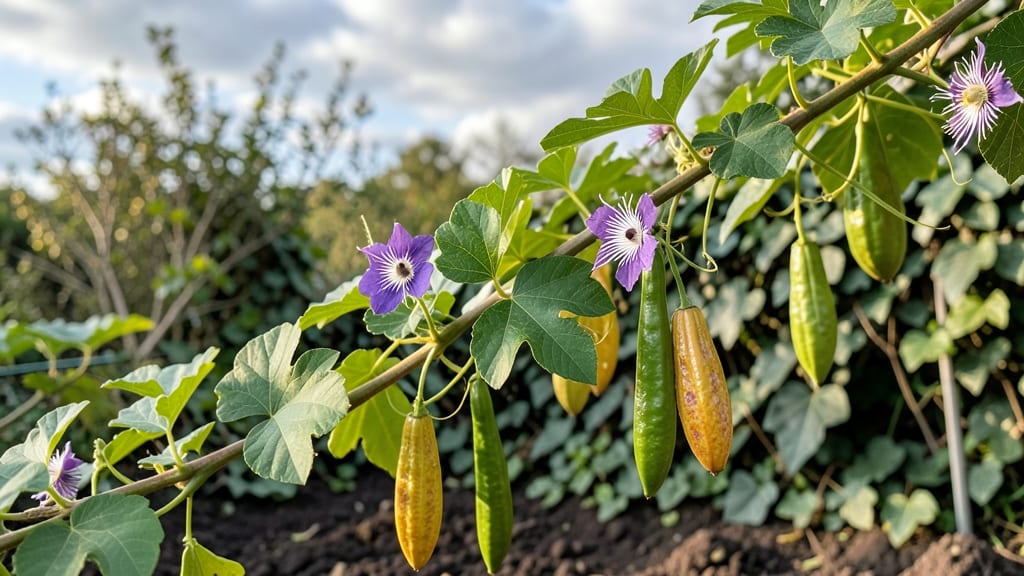
Passionflower seed pods hold the secret to next year’s vibrant blooms—if you break their dormancy first. 🌱 I’ve learned that fresh seeds from ripe pods often fail to germinate without a little winter magic, but cold stratification turns those stubborn seeds into reliable starters.
The key is patience and a simple fridge trick that mimics nature’s timing.
Start by harvesting fully ripened pods (they’ll turn brown and papery when ready) and extracting the seeds inside. You can plant them fresh or let them dry for a few days—either way, the real work happens next.
After a 3-month cold treatment in moist peat or a damp paper towel, those seeds wake up eager to grow, not just sit in a pot waiting for spring.
Once stratified, sow them in well-draining soil, just ¼ inch deep, and keep them warm. Within 2-4 weeks, you’ll see those first green shoots—proof the process worked.
These seedlings grow fast and reward you with lush vines and exotic flowers the following season, making the wait totally worth it.
This method works for all passionflower varieties, from the classic blue Maypop to the fragrant red passionflower. The only challenge? Avoiding impatience—some seeds take their time, but the blooms make it all worthwhile. Let’s get those seeds ready for next year’s garden showstopper.
📚 In This Guide
- What you need
- Instructions
- Tips and common mistakes
- Wrapping up and next steps
What you need
- ● Passionflower seed pods: 10–20 fresh, fully mature pods (harvested in late fall or early winter for best results). Ensure they’re dry but not brittle.
- ● Cold stratification medium: Option 1: 1–2 cups of moistened perlite, vermiculite, or horticultural sand (sterilized).
- ● Option 2: A reusable plastic bag with a zip-top (1–2 quart size) + a damp paper towel.
- ● Option 3: A seed-starting tray with well-draining soil mix (cactus/succulent blend works well).
- ● Spray bottle: For gently misting your stratification medium (avoid soaking!).
- ● Fine-mesh breathable bag or container: To hold pods during stratification (e.g., a seedling tray with lid or a mesh produce bag).
- ● Label & marker: To track pod varieties and stratification dates.
- ● Refrigerator space: A dedicated spot in your fridge (or a cool basement) with temps between 35–45°F (2–7°C).
- ● Humidity dome: A clear plastic lid or cloche to maintain moisture during stratification.
- ● Thermometer: To monitor fridge temps (especially if using a less reliable space).
- ● Grow lights: For post-stratification sprouting (if starting indoors early).
- ● Journal/notebook: To log observations like germination progress or pod conditions.
Step-by-Step instructions for stratifying passionflower seed pods
Cold stratification mimics nature's way of breaking seed dormancy—here's how to do it right.
🌱 Step 1: Harvest and Prepare the Seed Pods
Collect mature passionflower seed pods when they turn brown and begin splitting open naturally. You'll know they're ready when the outer shell cracks but the seeds inside remain intact. Gently pry open the pod with your fingers or a small knife, being careful not to damage the seeds.
Remove any seeds that appear shriveled or discolored—only plump, healthy seeds will germinate. Place the viable seeds in a shallow container lined with damp paper towels. Fold the towels over the seeds to keep them evenly moist but not soggy. This initial moisture jumpstarts the stratification process.
💧 Step 2: Create the Cold Stratification Environment
Fill a resealable plastic bag with 2 cups of moistened peat moss or 1 cup of sand—these materials hold moisture while allowing airflow. Add the seeds wrapped in the damp paper towels to the bag. Seal it loosely, leaving a small opening for airflow to prevent mold.
Place the bag in a refrigerator set to 35-40°F for 6-8 weeks. Check the bag every 2 weeks to ensure the peat moss or sand remains slightly damp. If it feels dry, mist it lightly with water and reseal. This cold treatment mimics winter conditions, breaking the seed's dormancy so it knows when to grow.
☀️ Step 3: Test for Germination Readiness
After 6-8 weeks, remove the bag from the refrigerator and let it sit at room temperature for 24-48 hours to acclimate. Open the bag and check for signs of sprouting—you might see tiny roots or a slight swelling in the seed coat. If the seeds remain dormant, return them to the fridge for 2-4 more weeks.
Once you see roots or a cracked seed coat, it's time to plant. Fill 4-inch pots with sterile seed-starting mix and plant each seed ½ inch deep. Water gently until the soil is evenly moist but not waterlogged. Place the pots in a warm, bright location (not direct sunlight yet) to encourage germination.
⏰ Step 4: Transition to Warmth and Light
When sprouts appear (usually within 2-4 weeks), move the pots to a sunny windowsill or under grow lights for 12-14 hours of light daily. Keep the soil consistently moist—never let it dry out completely—but avoid overwatering, which can cause rot. Passionflower seedlings are delicate, so handle them gently.
Once seedlings develop 2-3 sets of true leaves (not the initial seed leaves), they're ready to transplant into larger containers or the garden. Harden them off by gradually exposing them to outdoor conditions over 1-2 weeks before planting in well-draining soil with full sun exposure.
Tips & tricks for perfect passionflower seed stratification
Here's what I've learned after years of trial and error—these tricks will help you avoid the most common pitfalls with passionflower seeds.
Seed Selection Matters: In Step 1, when harvesting pods, don't rush—wait until the outer shell is completely brown and starting to split naturally. I've tried using green pods and they never germinated. The seeds need to be fully mature for successful stratification. Look for pods that are dry to the touch but still intact.
The 35-40°F Temperature Secret: Many people assume any cold spot will work, but your fridge's crisper drawer might be too cold (below 35°F) or too warm (above 40°F). Use a thermometer to verify the temperature in Step 2. If you don't have one, place the bag on the middle shelf where it stays consistently cold but not freezing. The cold treatment is what breaks dormancy—don't skip this critical step!
Moisture Balance is Key: When checking your seeds every 2 weeks in Step 2, the peat moss or sand should feel like a wrung-out sponge—not dripping wet, not bone dry. I learned this the hard way when my first batch developed mold from too much moisture. If it feels dry, just mist lightly with water and reseal. Too much water creates anaerobic conditions that prevent germination.
Optional: Add a Growth Hormone Boost: For an extra insurance policy, you can add a pinch of cinnamon (about ¼ teaspoon) to the peat moss or sand in Step 2. Cinnamon contains natural growth hormones that can help stimulate germination. This isn't required, but I've seen it work particularly well with stubborn passionflower seeds that take longer to sprout.
Pro Tips for Passionflower Seed Pods
- Here's what I've learned after years of trial and error—these tricks will help you avoid the most common pitfalls with passionflower seeds.
- Seed Selection Matters: In Step 1, when harvesting pods, don't rush—wait until the outer shell is completely brown and starting to split naturally.
- The 35-40°F Temperature Secret: Many people assume any cold spot will work, but your fridge's crisper drawer might be too cold (below 35°F) or too warm (above 40°F).
Frequently asked questions
Got questions about growing passionflower from seed pods? You’re not alone—these unique plants can be tricky to germinate! Here are some common concerns and quick answers to help you succeed.
How long does cold stratification take for passionflower seed pods?
Cold stratification typically requires 6–12 weeks in the fridge (33–41°F). Place moistened pods in a sealed bag with damp peat moss or paper towels, then store them. Patience is key—some seeds may sprout sooner, while others need the full duration. Pro tip: Check periodically for mold or drying; adjust moisture as needed!
Can I skip cold stratification and plant passionflower seeds right away?
While possible, germination rates drop significantly without stratification. Seeds may take months (or never sprout) if planted directly in warm soil. If you’re impatient, try soaking pods in warm water for 24 hours before stratification to soften the hard shell.
What’s the best way to tell if passionflower seeds are viable?
Viable seeds are plump, firm, and free of cracks. If they’re shriveled, discolored, or hollow when tapped, they’re likely non-viable. For extra peace of mind, perform a float test: Drop seeds in water—viable ones sink, while bad seeds float. Pro tip: Store seeds in a cool, dry place if you’re not ready to stratify!
My passionflower seeds sprouted, but the seedlings look weak. What’s wrong?
Weak seedlings often suffer from overwatering, poor light, or cold stress. Ensure pots have drainage, place them in bright, indirect light, and maintain 60–70°F soil temps. If leggy, use a grow light. Pro tip: Transplant carefully—passionflowers hate root disturbance!
Are there alternatives to cold stratification for passionflower seeds?
Yes! If you lack fridge space, try outdoor sowing in fall (seeds stratify naturally) or scarification (nick the seed coat with sandpaper). For stubborn pods, soak in lukewarm water for 48 hours before planting. However, cold stratification remains the most reliable method for consistent results.
Wrapping up and next steps
Growing passionflower from seed pods is a rewarding journey that unlocks vibrant blooms for seasons to come! 🌸 With the right cold stratification technique, you’ll boost germination success and set your garden up for stunning, fragrant flowers.
Whether you’re a seasoned gardener or just starting out, this method is your ticket to lush, thriving passionflower vines.
Ready to take the next step? Grab those seed pods, follow the guide, and get planting! Share your progress with fellow gardeners—your success might inspire others to grow their own passionflower paradise. Happy gardening! 🌱