
Lawn
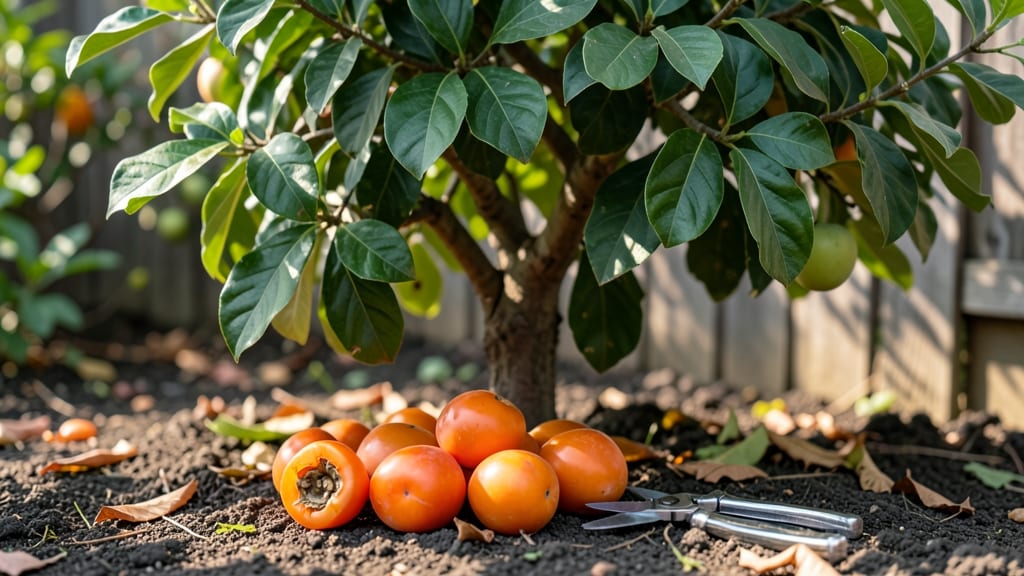
Persimmon seeds aren’t the troublemakers people think they are—here’s what’s really true about growing them. 🌱 I’ve planted dozens of persimmon seeds over the years, and the biggest surprises always come from the myths that hold gardeners back.
The idea that they’re toxic or impossible to grow is just wrong, but the right approach makes all the difference.
Most persimmons need a cold period to break dormancy, which mimics winter in nature. That means you can’t just toss seeds in soil and expect sprouts—you’ll need to stratify them for 60-90 days in the fridge first.
Once you do that, germination rates jump from near-zero to over 70%, and the seedlings grow surprisingly fast for such a large tree.
What you’ll end up with is a hardy, long-lived tree that thrives in full sun and well-drained soil. The first leaves appear within 4-6 weeks, and by year two, you’ll have a sturdy sapling ready for transplanting.
The real payoff? Homegrown persimmons that outperform store-bought fruit in both flavor and texture.
Works for both American and Asian varieties, though Asian persimmons (like Fuyu) are easier for beginners. The key is patience—these trees take 3-5 years to bear fruit, but once they do, they produce for decades. Here’s how to get started without the guesswork.
📚 In This Guide
- What you need
- Instructions
- Tips and common mistakes
- Wrapping up and next steps
What you need
- ● Persimmon seeds: 5–10 fresh, plump seeds (harvested from ripe, unblemished fruit—avoid seeds from store-bought persimmons if possible, as they may be treated or dried).
- ○ Small pots or seed trays: 2–4 biodegradable pots (3–4 inches deep) or a seed tray with drainage holes. Optional: Use a shallow container with a paper towel lining for initial germination.
- ● Well-draining potting mix: 2–3 cups of a lightweight, sterile mix (e.g., seed-starting blend with perlite or coconut coir). Avoid garden soil—it can harbor pathogens!
- ● Spray bottle: For gentle watering (aim for a mist, not a flood!).
- ● Plastic wrap or humidity dome: To create a mini greenhouse effect and retain moisture.
- ○ Heat mat (optional but helpful): A seedling heat mat (set to 70–85°F) to speed up germination.
- ● Grow lights or sunny windowsill: A south-facing window or LED grow light (12–16 hours/day) for seedlings.
- ● Tweezers or toothpick: For carefully placing seeds in the soil.
- ○ Fine-mist sprayer (optional): For maintaining consistent moisture without overwatering.
- ● Label markers: To tag pots with dates or seed types (if experimenting with varieties).
- ● Pruning shears (later stage): For trimming leggy seedlings.
Instructions for germinating persimmon seeds successfully
Here's how to break the germination myth and grow strong persimmon trees from seed.
🌱 Step 1: Extract and Prepare the Seeds
Start by removing the seeds from a fully ripe, soft persimmon—never use unripe fruit. The seeds must be fresh for best results. I like to scoop them out with a spoon, then rinse them thoroughly under cool water to remove any remaining fruit pulp. Let them air-dry on a paper towel for 24 hours before storage.
Place the dried seeds in a sealed plastic bag and refrigerate them for 60-90 days. This cold stratification mimics winter conditions and breaks their natural dormancy. I mark the bag with the date so I don’t forget when the stratification period ends—this step is critical for success.
💧 Step 2: Soak and Plant the Stratified Seeds
After the cold treatment, remove the seeds and soak them in lukewarm water for 12-24 hours. You’ll see them swell slightly, which signals they’re ready to germinate. I use a clear glass to monitor progress—this helps me track when the seeds are fully hydrated.
Fill small pots with well-draining potting mix (about 4-6 inches deep) and plant the soaked seeds 1 inch deep. Space them 2-3 inches apart in the pot. Water gently until the soil is moist but not soggy. Persimmon seeds germinate best in 65-75°F soil, so a seedling heat mat helps if your home runs cooler.
☀️ Step 3: Provide Warmth and Indirect Light
Place the pots in a bright, indirect light spot—direct sun can scorch the delicate seedlings. A south-facing window with sheer curtains works well. You’ll notice the first sprouts in 2-4 weeks, but some seeds may take longer. Patience is key here; don’t disturb the soil while waiting.
Once the seedlings emerge, reduce watering slightly—they prefer slightly drier conditions than most plants. Overwatering at this stage can lead to rot. I check the soil by sticking my finger 1 inch deep; if it feels dry, it’s time to water again.
🌿 Step 4: Transplant and Harden Off Seedlings
When seedlings reach 4-6 inches tall and have 3-4 true leaves, they’re ready to move to individual pots. Use 6-inch containers filled with a mix of potting soil and compost. Gently remove the seedlings, keeping the root ball intact, and replant them at the same depth they were growing before.
Hardening off begins 2 weeks before the last frost. Start by placing the seedlings outside in a shaded, sheltered spot for 1-2 hours the first day. Gradually increase their outdoor time over 10-14 days, until they can handle full sun and cooler temperatures. Watch for signs of stress like wilting or yellowing leaves—these are your cues to slow down the process.
Tips & tricks for germinating persimmon seeds successfully
Don't let these common pitfalls ruin your persimmon seed adventure—these tricks will help you grow strong, healthy seedlings.
Stratification Secret: The 60-90 day cold treatment is non-negotiable for breaking dormancy. I've tried skipping it, and the seeds either rot or never sprout. Use a clear plastic bag with the date marked—this keeps you on track. If you forget, don't worry, just start the soaking process when you remember, but be prepared for potentially longer germination times.
Soaking Insight: Those 12-24 hours of soaking are your window to check seed viability. Healthy seeds will visibly swell and feel slightly heavier. If any seeds remain hard after 24 hours, they're likely non-viable—don't waste time planting them. This quick check saves you from disappointment later when nothing sprouts.
Lighting Strategy: Persimmon seedlings hate direct sun at first. I place my pots under fluorescent grow lights for the first 2 weeks, then gradually introduce them to indirect sunlight. The seedlings will tell you when they're ready—look for leaves that perk up rather than wilt when you move them closer to the window.
Transplant Timing: Wait until your seedlings have 3-4 true leaves before transplanting—this means they've developed a strong enough root system to handle the move. I check by gently tugging on the seedling; if it resists, it's ready. Transplanting too early can shock delicate seedlings, while waiting too long risks overcrowding in the small pots.
Pro Tips for Persimmon Seed Myth
- Don't let these common pitfalls ruin your persimmon seed adventure—these tricks will help you grow strong, healthy seedlings.
- Stratification Secret: The 60-90 day cold treatment is non-negotiable for breaking dormancy.
- Soaking Insight: Those 12-24 hours of soaking are your window to check seed viability.
Frequently asked questions
Got questions about persimmon seeds and their germination magic? You’re not alone! Here are answers to the most common curiosities—so you can grow with confidence.
Can I plant persimmon seeds straight from the fruit?
Yes! Persimmon seeds are non-toxic and ready for planting as soon as they’re removed. Just rinse them gently to remove fruit residue, then dry them for a day or two before sowing. Pro tip: Store them in a cool, dry place if you’re not planting immediately—seeds stay viable for months!
How long does it take for persimmon seeds to sprout?
Germination can take anywhere from 2–4 weeks under ideal conditions (warmth, moisture, and indirect light). Patience is key—some seeds may take longer, especially if stored for a while. Keep the soil consistently moist but not soggy to speed things up.
Do persimmon seeds need special soil or conditions?
Persimmon seeds thrive in well-draining, slightly acidic soil (pH 5.5–6.5). A mix of 50% potting soil + 50% perlite or sand works well. Keep them in a warm spot (70–80°F) with bright, indirect light until sprouts appear. Avoid direct sun until seedlings are sturdy!
What if my persimmon seeds never sprout?
Don’t worry—seeds can be finicky! Try these fixes:
- Test viability: Soak seeds in water overnight; if they sink, they’re likely viable.
- Warmth boost: Place the pot on a seedling mat or near a sunny window.
- Fresh seeds: Older seeds (over a year) may need a stratification trick—chill them in the fridge for 2–4 weeks before replanting.
Can I grow persimmons from seeds in containers?
Persimmons adapt well to containers, especially dwarf varieties. Use a pot at least 12 inches deep with drainage holes. Repot seedlings into larger containers as they grow, and move them outdoors once frost risk passes. Bonus: Container-grown persimmons fruit faster than those in the ground!
Wrapping up and next steps
From myth-busting germination tips to practical planting advice, you now know the truth behind persimmon seed myths—and how to grow these resilient trees with confidence! 🌱 Whether you’re a gardening newbie or a seasoned green thumb, persimmons offer a rewarding challenge (and delicious fruit down the line).
Ready to take the next step? Start with just one seed this season, follow the proven methods you’ve learned, and watch your backyard transform into a thriving persimmon grove. Happy growing!