Transplanting
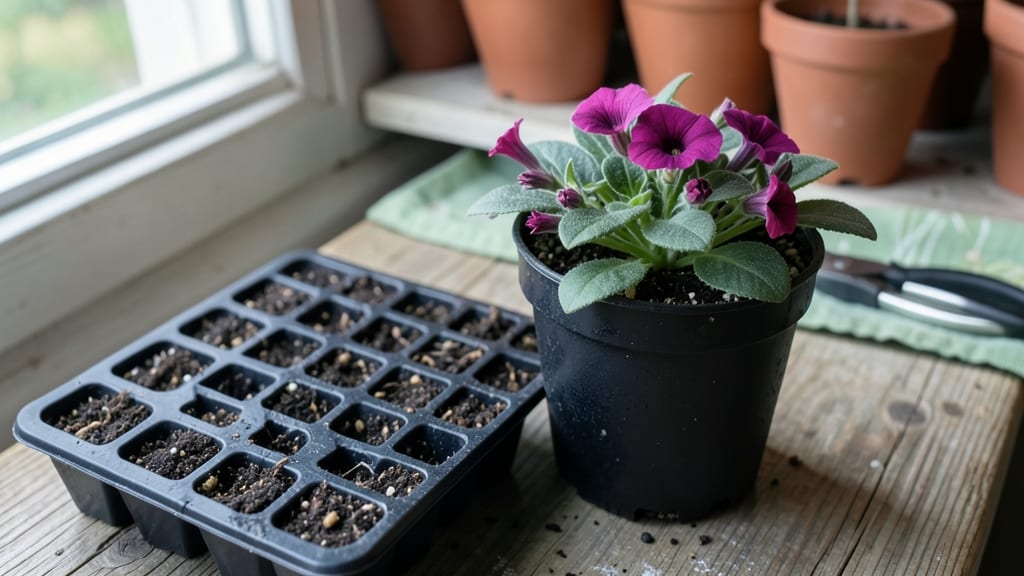
Nothing beats the joy of capturing petunia seedlings images as they transform from fragile sprouts into vibrant, blooming stars—here’s how to nurture them from start to flower. 🌱 I’ve watched my first seedlings go from delicate cotyledons to lush, flower-ready plants—and I’m sharing exactly what healthy growth looks like at each stage so you can spot the difference between thriving and struggling plants.
The key is knowing what to look for: sturdy stems, vibrant leaves, and proper spacing. Too many seedlings crowded together? They’ll fight for light and nutrients. Too far apart, and they’ll stretch thin.
I’ll show you the exact spacing and leaf shapes that signal strong, transplant-ready seedlings, plus how to tell if they’re getting too much water or not enough.
By the time you recognize these growth stages, you’ll be pinching back leggy stems and hardening off seedlings for the garden—no more guesswork. The payoff? A summer of petunias so vibrant they’ll make your neighbors jealous, all because you caught the signs early and gave them the right care.
Whether you’re starting from seed this year or buying transplants, these visual cues will help you avoid the most common mistakes. Let’s get those seedlings growing strong from day one!
📚 In This Guide
- What you need
- Instructions
- Tips and common mistakes
- Wrapping up and next steps
What you need
- ● Petunia seeds: Choose high-quality, disease-resistant varieties (e.g., Surfinia, Wave, or Tiny Tim). Aim for 10–20 seeds per container for a full display.
- ● Seed-starting trays or pots: Use biodegradable peat pots (3–4 inches deep) or plastic cell trays (2–3 inches deep) with 10–20 cells, depending on your seed quantity.
- ● Seed-starting mix: A lightweight, sterile mix (e.g., 50% peat moss, 30% perlite, 20% vermiculite) or a pre-mixed seed-starting soil.
- ● Grow lights or sunlight: A full-spectrum LED grow light (12–16 hours/day) or a sunny windowsill (south-facing, if possible).
- ● Spray bottle: For gentle watering (avoid over-saturating seeds).
- ● Plastic wrap or humidity dome: To retain moisture until germination (typically 7–14 days).
- ● Fertilizer: A balanced, water-soluble fertilizer (e.g., 10-10-10 or 5-5-5) diluted to half-strength for seedlings.
- ● Small hand trowel or spoon: For transplanting seedlings into larger containers.
- ● Heating mat: Speeds up germination (ideal for 70–75°F soil temps).
- ● pH test kit: Ensures soil pH is 6.0–6.8 (petunias thrive in slightly acidic soil).
- ● Insecticidal soap or neem oil: For pest prevention (e.g., aphids or fungus gnats).
- ● Labels & markers: To track seed varieties and planting dates.
- ● Larger containers (5–6 inches): For transplanting seedlings before outdoor planting.
How to identify petunia seedling growth stages visually
Watch your petunia seedlings transform from tiny sprouts to vibrant blooms by recognizing these key visual milestones.
🌱 Step 1: Recognize Germination and First True Leaves
Within 5-14 days of sowing, you'll spot the first sign of life: tiny cotyledons—those first two round leaves that look like tiny petals. They're not true leaves but the plant's first energy source. Don't be fooled by their size; these seedlings are fragile. Keep the soil consistently moist but never soggy during this stage.
Once the cotyledons unfurl, wait another 7-10 days for the first true leaves to appear. These will be smaller, more pointed, and arranged in a circular pattern. This is when you can start talking about "real" petunia seedlings—they're now photosynthesizing properly and ready to grow faster. Here's the thing: if you see only cotyledons after three weeks, germination may have failed, and you'll need to resow.
🌿 Step 2: Observe Seedling Thickness and Leaf Development
Healthy petunia seedlings develop thick, sturdy stems with leaves spaced about ½ inch apart. If stems look thin and leggy (stretching toward light), they're not getting enough bright light—move them within 2 inches of a grow light or south-facing window. You'll also notice the leaves becoming darker green as they mature.
Around 3-4 weeks, seedlings should have 4-6 true leaves and look like miniature versions of mature petunias. This is the perfect time to thin if you over-sowed. Use clean scissors to snip at soil level—never pull—so you don't disturb the roots of remaining plants. Real talk: this is where many gardeners panic, but thinning now prevents future crowding and disease.
☀️ Step 3: Spot Bud Formation and Flower Primordia
At about 6-8 weeks, you'll see the first bud bumps forming where leaves meet the stem. These tiny ½-inch green swellings are flower buds in their earliest stage. Don't mistake them for leaves—they're rounder and firmer to the touch. This is when petunias shift from leaf production to bloom development, and you'll need to reduce nitrogen in fertilizers to encourage flowering.
Watch for bud break—when those green bumps split open to reveal tiny flower petals. The first blooms may be small, but they're your reward for proper care. Here's what I do: I pinch off the very first flowers that open to redirect the plant's energy to stronger, later blooms. It seems counterintuitive, but it results in bigger, longer-lasting flowers down the line.
✂️ Step 4: Monitor Flower Maturity and Plant Hardiness
Fully mature petunia flowers appear 10-14 days after bud break, with blooms reaching 2-4 inches wide depending on the variety. You'll notice the flowers opening fully by mid-morning and closing slightly by afternoon—this is normal behavior. Pay attention to leaf color: vibrant green means healthy plants, while yellowing indicates overwatering or nutrient deficiencies.
When seedlings have 8-10 true leaves and multiple open blooms, they're ready for transplanting outdoors. Harden them off by gradually increasing outdoor exposure over 7-10 days. You'll know they're ready when they handle a full day outside without wilting. This is the moment that matters: well-hardened seedlings establish faster and bloom sooner in the garden.
Tips & tricks for perfect petunia seedling growth
A few simple insights can transform your petunia seedlings from fragile sprouts to vibrant bloomers—here's what I've learned the hard way.
Lighting is Everything: Don't be fooled by bright windowsills—petunias need direct sunlight or grow lights within 2 inches to prevent leggy growth. I've seen seedlings stretch toward light like little green spaghetti strands, which weakens their stems. If your seedlings look thin and stretched, move them immediately—this is your plant's cry for more light.
Thinning Technique: When you reach the 3-4 week mark with 4-6 true leaves, thinning becomes critical. Use clean scissors to snip at soil level rather than pulling—this prevents disturbing the roots of remaining plants. I always save the thinned seedlings for tea or compost, but you can also replant them if you're gentle. The key is to do this when seedlings are small enough to handle without stress.
Bud Break Strategy: Once you spot those ½-inch green bud bumps around 6-8 weeks, it's time to adjust your care. Switch to a low-nitrogen fertilizer (like 5-10-10) to encourage flowering rather than leaf growth. I also pinch off the very first flowers that open—it feels counterintuitive, but this redirects the plant's energy to producing stronger, later blooms that last longer.
Harden Off Gradually: When your seedlings have 8-10 true leaves and show multiple blooms, don't rush them outdoors. Start with just 30 minutes of exposure on the first day, then increase by 1-2 hours daily over the 7-10 day period. I've seen seedlings wilt dramatically when moved too quickly—this gradual approach builds their resilience so they thrive in your garden.
Pro Tips for Petunia Seedlings Images
- A few simple insights can transform your petunia seedlings from fragile sprouts to vibrant bloomers—here's what I've learned the hard way.
- Lighting is Everything: Don't be fooled by bright windowsills—petunias need direct sunlight or grow lights within 2 inches to prevent leggy growth.
- Thinning Technique: When you reach the 3-4 week mark with 4-6 true leaves, thinning becomes critical.
Frequently asked questions
Got questions about petunia seedlings?
You’re not alone! Here are answers to the most common queries to help you grow thriving plants from sprout to bloom.
When do petunia seedlings start looking like the images I see?
Petunia seedlings resemble the lush blooms in images after 6–8 weeks of proper care. Early stages focus on true leaves (not the first seed leaves), then compact growth and bud formation. Patience pays off—healthy seedlings will mirror those vibrant photos once they’re transplanted outdoors!
How long does it take for petunia seedlings to be ready for transplanting?
Seedlings are ready for transplanting when they’ve developed 4–6 true leaves and are about 2–3 inches tall, typically 8–10 weeks after sowing. Harden them off for 7–10 days before moving them to the garden to avoid shock. Check your local frost dates for timing!
Why are my petunia seedlings leggy or stretching toward the light?
Leggy seedlings happen from too little light or overcrowding. Move trays to a bright, indirect spot (south-facing window or grow lights) and thin seedlings to 1–2 inches apart. Avoid overwatering, which can weaken stems. A quick fix: bury stems deeper when transplanting—they’ll root and grow stronger!
Can I use petunia seedling images as a reference for spacing in the garden?
Yes! Images are great for visualizing mature spacing, but seedlings need 12–18 inches apart at transplanting. Petunias spread as they grow, so plan for 18–24 inches between plants in containers or beds. Check the variety’s tag—some trailing types (like ‘Wave’) may need more room.
What’s the best alternative if my petunia seedlings aren’t germinating?
If germination fails, try pre-started seedlings from nurseries (available in spring) or switch to easy-to-grow annuals like marigolds, zinnias, or snapdragons. For petunias, ensure seeds are fresh (<1 year old), soaked in warm water for 24 hours, and planted ¼ inch deep in warm soil (70°F+).
Wrapping up and next steps
Growing petunia seedlings from tiny sprouts to vibrant blooms is a rewarding journey filled with color and life! 🌸 By understanding each stage—from germination to full bloom—you’ll gain confidence in nurturing these delicate yet resilient plants.
Whether you’re a beginner or a seasoned gardener, every seedling has the potential to become a stunning centerpiece in your garden or containers.
Ready to take the next step? Snap photos of your seedlings’ progress to track growth, share your success, or even compare them with our "petunia seedlings images" guide. Happy gardening—your future blooms will thank you! 🌱✨