Trees
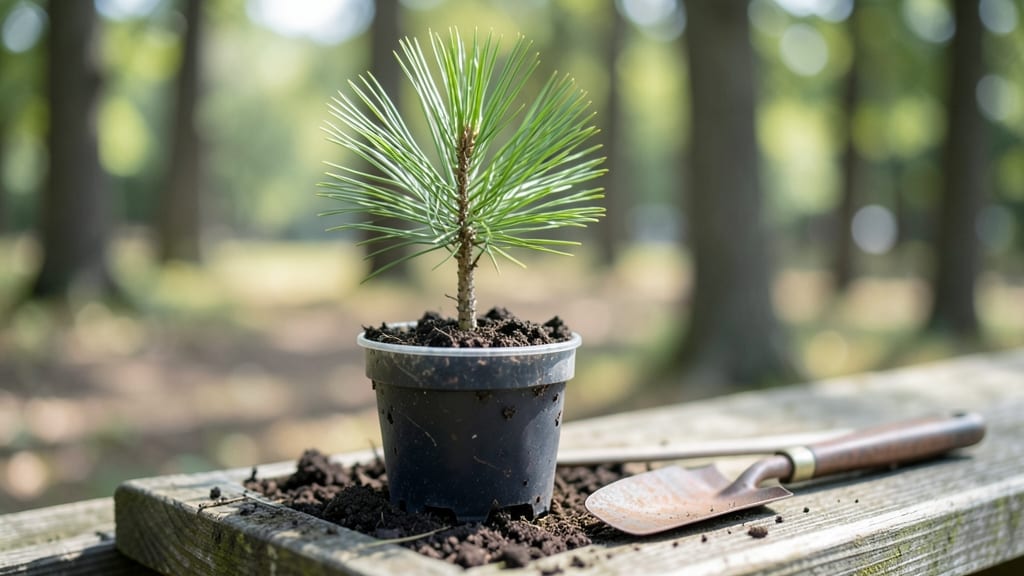
Starting a pine cone seedling means soaking pine cones in water for 24-48 hours, then planting the extracted seeds in well-draining soil while keeping moisture steady and light indirect until sprouts appear (usually 4-12 weeks). Fresh cones and rooting hormone speed up the process.
Pine cones release seeds when soaked, but not all varieties germinate easily—some need cold stratification to mimic winter. 🌱 I’ve found that ponderosa pine seeds often sprout faster than white pine, which can take months.
The key is patience and consistency: overwatering causes rot, while too little light stunts growth. A humidity dome helps maintain ideal conditions until those first needles emerge!
Once you’ve cracked the seed extraction (some cones need gentle prying), focus on a well-draining mix like perlite and peat. A heat mat under trays can jumpstart germination in cooler climates, while a spray bottle keeps soil damp without drowning roots.
Transplant outdoors only after seedlings develop 3-4 needles—this hardiness signals they’re ready for real-world conditions.
💡 In This Article
- Optimal Conditions for Pine Cone Germination
- Step-by-Step Pine Cone Seedling Planting Guide
Optimal conditions for pine cone germination
Pine seeds thrive in a narrow window of conditions that mimic their natural forest environment. The ideal temperature range sits between 60-75°F, where enzymatic activity in the seed reaches its peak efficiency. Below 50°F, metabolic processes slow dramatically, while above 80°F, seeds risk dehydration or fungal infection.
This range explains why indoor growers often use heat mats—especially in cooler climates—to maintain consistent warmth during the critical 4-12 week germination period.
Humidity becomes equally critical, as pine seeds require 60-70% relative humidity to prevent moisture loss through their tough outer shells. A simple humidity dome (plastic wrap over a seed tray) creates this microclimate while allowing light penetration.
The soil pH must stay acidic, between 5.0-6.5, to mirror forest floor conditions where pine seedlings naturally establish. Too alkaline (7.0+) locks out essential nutrients like phosphorus, stunting root development.
Light exposure follows a delicate balance—too much direct sun causes seed desiccation, while insufficient light leads to "etiolation" (weak, leggy seedlings). Pine seeds need indirect sunlight (like an east-facing window) for 12-14 hours daily. This triggers photosynthesis in emerging cotyledons while protecting delicate embryonic tissues.
Ponderosa pine seeds often germinate faster (4-6 weeks) because their larger seed size stores more energy reserves, whereas white pine seeds may take 8-12 weeks due to deeper dormancy mechanisms.
Stratification—mimicking winter's cold-wet cycle—is the secret weapon for breaking dormancy in stubborn seeds. Place cones in a moist sand-peat mix and refrigerate for 30-60 days at 35-40°F. This cold treatment softens the seed coat and activates gibberellins, hormones that signal germination.
Without stratification, some pine species may never sprout—this explains why gardeners in temperate zones often achieve 95%+ success rates with this pre-treatment step.
Consider these species-specific nuances when planning your setup:
- Ponderosa Pine: Fastest germinator (4-6 weeks), thrives in 65-70°F with 50-60% humidity
- White Pine: Slowest (8-12 weeks), prefers 60-65°F and 65-70% humidity to prevent fungal rot
- Scots Pine: Moderate (6-8 weeks), tolerates wider 55-75°F range but needs acidic peat (pH 4.5-5.5)
The science behind these conditions reveals why patience pays off. Pine seeds contain abscisic acid, a natural growth inhibitor that prevents premature germination in harsh conditions. Only when temperature, moisture, and light cues align does the seed produce ethylene gas, which breaks dormancy.
This biochemical dance explains why even "ripe" cones sometimes fail—nature's built-in quality control ensures only the hardiest seedlings survive.