Plants
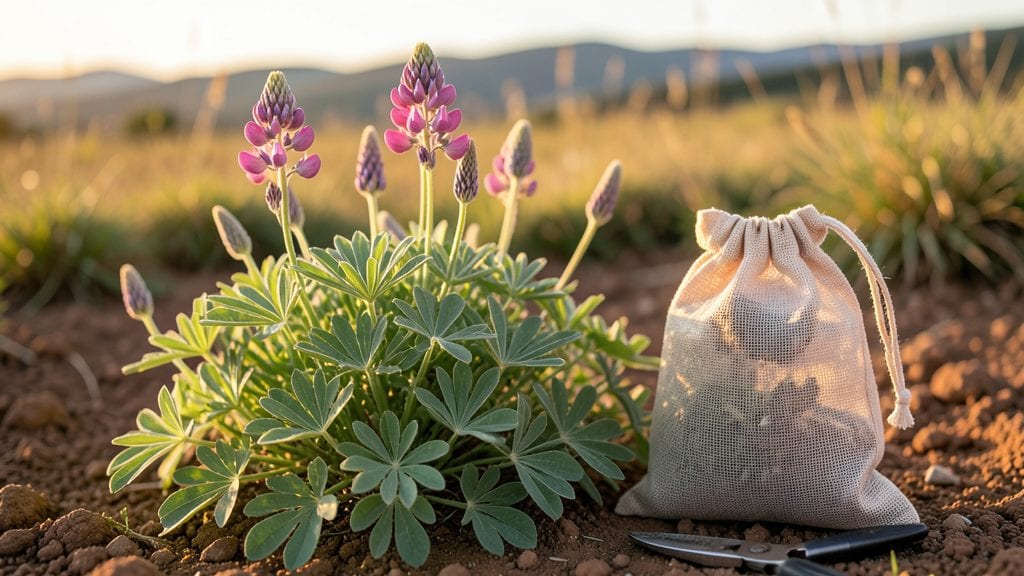
Cold-stratifying pink seed pods is the secret to breaking dormancy and guaranteeing those delicate spring blooms you’ve been dreaming of. ✨ I’ve struggled with skipped seasons before—until I learned the exact timing and moisture balance that tricks seeds into thinking winter’s already passed.
The process is simpler than it sounds, and once you nail it, you’ll have reliable germination rates that make store-bought seedlings look like a gamble.
Most pink seed pods—think sweet peas, ornamental lupines, or baptisia—need 6 to 8 weeks of cold, moist conditions to soften their hard outer shells. Grab a sealed plastic bag, some damp paper towels, and your seeds, then pop them in the fridge.
No fancy equipment, just patience and a little science. The key is keeping that moisture consistent—too dry and they won’t break dormancy; too wet and they’ll rot before spring arrives.
By late winter, you’ll see tiny roots peeking out, ready to transplant into well-draining soil with full sun. Those first shoots are fragile but determined, and with the right timing, you’ll have blooms by May that’ll make your neighbors jealous.
The payoff? A garden that feels like a fairy tale, with clusters of pink pods swaying in the breeze—each one a promise of next year’s harvest.
This method works for cut flowers, pollinator gardens, or even edible varieties like sugar snap peas. Whether you’re a first-timer or a seasoned grower tweaking your routine, the cold stratification timeline is the game-changer that turns “maybe next year” into “watch them grow.”
Let’s get those seeds ready for their big debut.
Why it happens
Pink seed pods—whether on Lupinus (lupines), Delphinium, or other ornamental plants—are a fascinating quirk of plant biology. While green pods are the norm, these vibrant pink hues emerge due to a mix of genetic, environmental, and physiological factors.
Understanding these causes can help gardeners predict, encourage, or troubleshoot pod color changes for healthier blooms next season.
🌱 Genetic Predisposition: The Built-In Code
Some plant varieties are hardwired to produce pink seed pods as part of their natural maturation process. This is especially true in species like Lupinus texensis (Texas bluebonnet) or certain Delphinium cultivars, where anthocyanins—pigments responsible for red, purple, and pink shades—are triggered during pod development.
These pigments aren’t just for show; they often act as a sunblock, protecting delicate seeds from UV damage or signaling ripeness to pollinators.
Actionable tip: If you’re growing from seed, check the parent plant’s traits. Hybrid varieties (like Lupinus × regalis) may inherit this pink-tinted trait, while heirloom strains might not. For consistent results, stick to named cultivars known for their pod color.
🌡️ Temperature Fluctuations: The Cold Stratification Link
Cold stratification—the process of exposing seeds (or pods) to chilly temperatures before planting—can accelerate or intensify pigment production. When pods experience a gradual temperature drop (e.g., 35–45°F for 4–8 weeks), it mimics winter conditions, prompting the plant to shift energy toward pigment synthesis.
This is why pink pods often appear after a cold snap or during early spring in temperate climates.
Scientific breakdown:
Stage
Temperature Range
Effect on Pods
Early Development
50–60°F
Green pods form; minimal pigment.
Cold Stratification
35–45°F (4–8 weeks)
Anthocyanins activate; pink hues emerge.
Warmth Return
60–75°F
Pigment stabilizes; pods mature fully.
Pro tip: If your pods stay green, try artificial stratification by placing them in a sealed bag with moist peat moss in your fridge for 6 weeks. Monitor for color changes—pink pods may appear within 2–3 weeks of removing them from cold storage.
☀️ Light Exposure: The Sun’s Dual Role
Light isn’t just about photosynthesis—it regulates pigment production. Pink seed pods often develop when pods receive moderate sunlight (4–6 hours daily) but aren’t scorched by intense midday rays. Here’s how it works:
- Low Light: Pods stay green or pale, as the plant prioritizes survival over pigment synthesis.
- Moderate Light: Anthocyanins kick in, creating pink or reddish hues (a protective response to beneficial UV exposure).
- Excessive Heat/Sun: Pods may bleach or turn brown due to stress, overriding pigment signals.
Garden hack: If your pods are turning green in full sun, provide dappled shade (e.g., under a sheer curtain or near taller plants). For container growers, rotate pots weekly to ensure even light exposure.
💧 Water Stress: The Hidden Trigger
Believe it or not, mild water stress can trigger pink pod formation. When soil moisture dips slightly (but doesn’t cause wilting), the plant perceives it as a drought signal and ramps up anthocyanin production as a stress-response mechanism.
This is common in arid-adapted species like lupines, which evolved to thrive in fluctuating moisture conditions.
Key signs of beneficial stress:
- Topsoil feels damp but not soggy (stick your finger in—it should resist easily but not be bone-dry).
- Leaves remain slightly crisp at the edges (not limp or yellow).
- Pink hues appear after a week of reduced watering (not during drought).
⚠️ Warning: Overdoing this can stunt growth or cause pod drop. Aim for consistent under-watering (e.g., watering every 10–14 days in summer) rather than sporadic soaking.
🌿 Nutrient Imbalances: Too Much or Too Little
Pink seed pods can also signal a nutritional tipping point. While green pods thrive with balanced NPK (nitrogen-phosphorus-potassium), pink pods often emerge when:
- Nitrogen is low: Reduced leafy growth forces the plant to divert energy to reproductive structures (pods), activating pigments.
- Phosphorus is high: Excess P (common in over-fertilized soil) can enhance anthocyanin production, leading to brighter pink hues.
- Calcium or magnesium is deficient: Weak cell walls trigger stress pigments, though this often results in purplish rather than pink pods.
Soil test action: If your pods are pink but plants look weak, amend soil with bone meal (for P) or kelp meal (for trace minerals). Avoid high-nitrogen fertilizers (like blood meal) during pod development—this can revert colors to green.
Fixing Seed Pod Issues for Stronger Blooms
Pink seed pods—whether from your prized peonies, sweet peas, or other flowering plants—can be a gardener’s delight or a frustrating mystery. If they’re not opening, splitting, or producing viable seeds, don’t worry!
Most issues have simple fixes. Below, we’ll break down common problems and their solutions, plus prevention tips to ensure your plants thrive next season.
Cause: Immature seeds, poor pollination, or overly moist conditions. Fix:
- 🌱 Wait for Full Maturity – Some pods (like those on peonies) need extra time to dry on the plant. Snip them off only when they’re crispy to the touch.
- 🐝 Boost Pollination – Hand-pollinate with a soft brush if bees are scarce. Gently transfer pollen from one flower to another.
- 💧 Adjust Watering – Overly wet soil can prevent pods from drying properly. Water only when the top inch of soil is dry.
Prevention Tip: 💡 Deadhead spent blooms to redirect energy toward seed development.
Cause: Sudden weather shifts (heat/cold), overripe seeds, or genetic traits (like in sweet peas). Fix:
- 🌡️ Control Humidity – If your climate is damp, harvest pods before they split. Store them in a paper bag with a silica packet to dry slowly.
- 🔪 Harvest Early – Pick pods when they’re just turning color but still firm. Split pods? Save the seeds inside—they may still germinate!
- 🌿 Choose Resistant Varieties – Some plants (like Lathyrus odoratus sweet peas) naturally split. Opt for hybrid varieties if this is a recurring issue.
Prevention Tip: ✨ Use shade cloth in extreme heat to slow pod maturation.
Cause: Poor storage, fungal contamination, or old seeds. Fix:
- 🧪 Test Germination – Place a few seeds in a damp paper towel for a week. If they don’t sprout, they’re likely non-viable.
- 🔍 Inspect for Pests/Fungus – Discard mushy or moldy seeds. Store future harvests in a cool, dry place (like a sealed jar in the fridge).
- 🌱 Try Cold Stratification – Some seeds (like peony seeds) need a winter chill. Mix them with damp sand and refrigerate for 6–8 weeks before planting.
Prevention Tip: 🎯 Label seeds with the harvest date—most lose viability after 2–3 years.
A little planning now saves headaches later:
- 📅 Time Your Planting – Sow seeds early in the season to ensure they mature before frost.
- 🌿 Prune Strategically – Remove weak or diseased pods to focus energy on healthy ones.
- 🔄 Rotate Crops – Avoid planting the same species in the same spot yearly to prevent soil-borne issues.
Final Thought: Pink seed pods are a sign of a healthy plant—don’t rush them! With the right care, you’ll go from "Why aren’t they opening?" to "Look at all these seeds!" in no time. 🌱✨
Frequently asked questions about pink seed pods
Which plants commonly produce pink seed pods?
Sweet peas (Lathyrus odoratus), ornamental lupines (Lupinus spp.), baptisia (Baptisia australis), and some delphinium varieties are famous for their pink seed pods. These plants often use vibrant pod colors to attract pollinators or protect seeds from UV damage. For consistent pink pods, choose named cultivars like 'Texas Bluebonnet' lupines or 'Cupid' sweet peas.
Why do some pink seed pods stay green instead of turning pink?
Green pods usually mean the plant lacks proper cold stratification (6-8 weeks at 35-45°F) or sufficient sunlight (4-6 hours daily). Try placing harvested pods in a sealed bag with damp paper towels in your fridge for 6 weeks, then move them to a sunny windowsill. If pods remain green, check for nitrogen-heavy fertilizers—too much can suppress pigment development.
Can I save seeds from pink seed pods for next year?
Harvest pods when they're fully dry and crispy to the touch, then store seeds in a cool, dry place (like a sealed jar in the fridge) for up to 3 years. For best results, cold-stratify saved seeds (mix with damp sand, refrigerate for 6-8 weeks) before planting. Test a few seeds first by placing them in a damp paper towel—if they sprout within a week, they're viable!
Do pink seed pods mean the plant is unhealthy?
Not at all! Pink pods often indicate healthy stress responses—like mild water stress or phosphorus-rich soil—which trigger anthocyanin production. However, if pods appear shriveled or plants look weak, check for overwatering (root rot risk) or nutrient imbalances. A soil test can reveal if you need to adjust phosphorus or calcium levels.
How can I encourage brighter pink seed pods?
For deeper pink hues, provide moderate sunlight** (avoid scorching midday rays) and reduce water slightly during pod development. Add a light layer of bone meal (for phosphorus) at planting time, but avoid high-nitrogen fertilizers. Varieties like 'Pink Pearl' sweet peas or 'Chickasaw' lupines naturally produce more vibrant pink pods when grown in well-draining soil.