
Watering
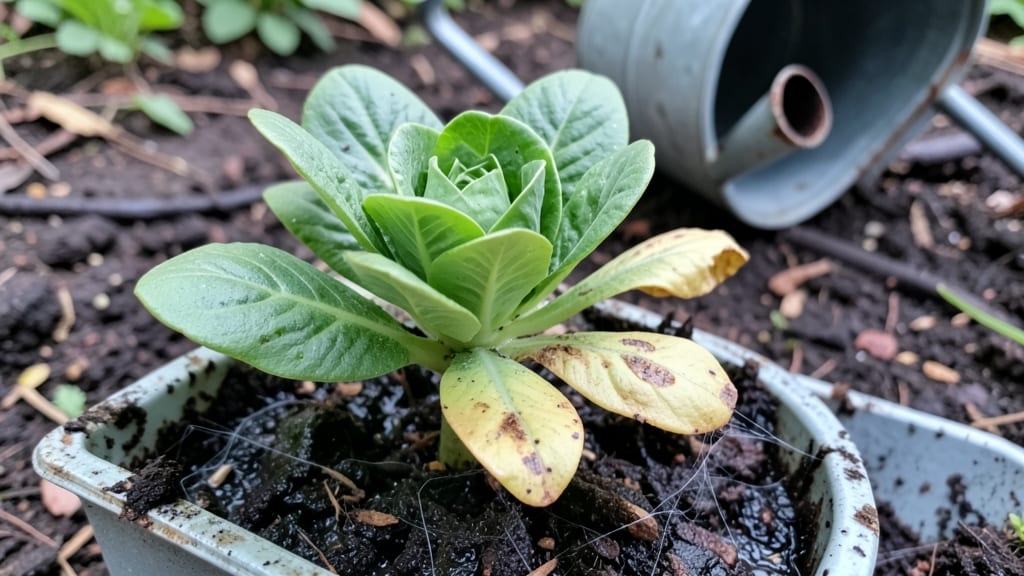
A plant overwatered seedling doesn’t have to be a death sentence—here’s how I’ve saved dozens of wilted starts by acting fast. 🌱 The first time I saw my basil seedlings turn yellow and flop over, I panicked, thinking they were gone.
Turns out, most "dead" seedlings just need a little TLC and proper drainage to bounce back. The key is catching the problem early, when roots are still salvageable but the soil’s too soggy.
Here’s the thing—overwatering happens when we treat seedlings like houseplants, keeping them constantly damp. Instead, let the top inch of soil dry out between waterings, and always use containers with drainage holes.
I’ve ruined more seedlings by drowning them than by letting them get thirsty, and I’ve learned that a quick soil check with your finger beats guesswork every time. Most seedlings recover within 3-5 days if you act fast and adjust your routine.
What you’ll end up with is sturdy, dark-green seedlings that push out fresh growth within a week. The roots firm up, the leaves stop yellowing, and you’ll see new sprouts reaching for the light—proof that even a soggy start can turn around.
The best part? Once you fix the watering habits, your next batch won’t repeat the same mistakes. Let’s get those seedlings back on track.
This method works for any seedling—veggies, flowers, or herbs—whether you’re growing in trays, small pots, or even egg cartons. The only difference is how quickly they bounce back, depending on how long they’ve been waterlogged.
For extra insurance, I add a sprinkle of cinnamon to the soil to prevent fungal issues while they recover. Now, let’s turn those sad, droopy plants into thriving little powerhouses again.
Understanding Root of the Problem
Overwatering seedlings might seem like a harmless mistake—after all, plants need water, right? But too much of a good thing can suffocate your young plants before they even get a chance to thrive. Let’s break down the science behind why this happens and what triggers it.
When soil lacks proper drainage, excess water pools around the roots instead of draining away. This creates an anaerobic environment—one with little to no oxygen—which is toxic to seedlings. Roots need oxygen to respire (yes, they breathe!), and without it, they suffocate.
- Why it happens:
- Dense or clay-heavy soils compact easily, blocking water flow.
- Pots without drainage holes trap moisture, turning the soil into a soggy sponge.
- Overzealous watering (especially with tap water high in salts) clogs soil pores over time.
💡 Pro Tip: Test your soil’s drainage by filling a pot with water—if it takes more than 10 minutes to drain, your mix is too dense.
Excess moisture creates the perfect breeding ground for pathogenic fungi like Pythium or Phytophthora. These microscopic invaders attack root tissues, causing root rot—a silent killer that turns healthy roots mushy and brown.
- Why it happens:
- Fungal spores thrive in stagnant water, especially in warm, humid conditions.
- Seedlings with weak root systems (common in early growth stages) are prime targets.
- Contaminated soil or tools (like trowels) can introduce pathogens directly.
⚠️ Warning Signs: Yellowing leaves, stunted growth, or a foul odor from the soil are red flags.
Too much water leaches essential nutrients (like nitrogen, phosphorus, and potassium) out of the soil, leaving seedlings starved even as they sit in damp conditions. This creates a vicious cycle: the plant can’t absorb what it needs, so it weakens further.
- Why it happens:
- Overwatering washes away nutrients faster than roots can uptake them.
- Salts from fertilizers or tap water accumulate in saturated soil, further stressing roots.
- Young seedlings lack the root mass to compete for nutrients in waterlogged soil.
🌱 Fix It: Use a balanced, slow-release fertilizer and flush the soil occasionally with plain water to prevent salt buildup.
Seedlings in overly wet soil are more sensitive to temperature fluctuations. Cold, damp soil slows root activity, while heat accelerates microbial activity—both of which can lead to chilling injury or heat stress, compounding the damage.
- Why it happens:
- Cool nights + soggy soil = roots struggle to absorb water efficiently.
- Greenhouse or indoor setups with poor airflow trap humidity, worsening the problem.
- Plastic pots (common for seedlings) can overheat in sunlight while retaining excess moisture.
🌡️ Quick Check: If your seedlings’ soil feels cold to the touch, they’re at higher risk of shock.
New growers often assume seedlings need as much water as mature plants—but their tiny root systems can’t handle it. A quick glance at wilted leaves might trick you into thinking they’re thirsty, when they’re actually drowning.
- Why it happens:
- Seedlings have shallow root zones (often just 1–2 inches deep).
- Their leaves transpire (release water) much slower than larger plants.
- "Finger test" watering (sticking your finger in the soil) can be misleading if done too shallowly.
⏳ Remember: Seedlings should be watered lightly and frequently, not deeply. Aim for topsoil moisture, not saturation.
Revive Your Seedling in 3 Steps
Now that you know the signs and causes of an overwatered seedling, let’s roll up our sleeves and get it back to healthy growth! The good news? Most cases aren’t hopeless—with the right care, your little green friend can bounce back.
Below, we’ll break down how to fix it based on the most common causes, plus prevention tips to keep future seedlings thriving.
If your seedling is sitting in soggy soil, stop watering immediately—this is the fastest way to drown roots. Here’s how to rescue it:
- 🔥 Remove from the Wet Spot Gently lift the seedling (if in a pot) and inspect the roots. If they’re mushy or black, trim the damaged parts with clean scissors.
- 🍳 Let It Breathe Place the seedling in a shady, well-ventilated spot (like a windowsill away from direct sun). Avoid plastic bags—humidity traps moisture, worsening rot.
- 👨🍳 Refresh the Soil (If Needed) If the soil smells foul or feels compacted, repot into fresh, well-draining mix (like a 50/50 blend of potting soil and perlite). For small seedlings, a paper towel-lined tray can work temporarily to absorb excess moisture.
- ⏰ Wait Before Watering Again Only rewater when the top inch of soil feels dry to the touch. Use a spray bottle for light hydration until roots recover.
💡 Pro Tip: If repotting isn’t an option, scoop out the soggy bottom soil and replace it with dry mix. This gives roots a fighting chance.
If your container lacks drainage holes or uses heavy soil, roots suffocate. Fix it fast:
- ✨ Check the Pot Poke holes in the bottom of plastic containers with a heated nail or drill. For ceramic pots, ensure they’re unglazed (or use a cache pot with gravel underneath).
- 🥗 Lighten the Soil Mix in sand, perlite, or coconut coir (20–30%) to improve aeration. Avoid garden soil—it compacts and holds too much water.
- 🎯 Elevate the Seedling Place pots on gravel, pebbles, or a saucer to prevent water pooling. Never let seedlings sit in saucers of standing water.
💡 Pro Tip: For tiny seedlings, try a mesh pot liner (like those for succulents) to allow excess water to drain while keeping roots contained.
Yellow leaves, mold, or a musty smell? Fungal infections (like Pythium or Fusarium) thrive in overwatered soil. Act now:
- 🔪 Treat with Fungicide Spray the seedling and soil with a natural fungicide like:
- Hydrogen peroxide (3%) (dilute 1:10 with water, spray lightly).
- Baking soda solution (1 tsp baking soda + 1 quart water + a drop of dish soap).
- Neem oil (1 tsp per quart of water, spray every 5–7 days).
- 🌿 Isolate the Plant Keep it away from other seedlings until fully recovered. Fungal spores spread like wildfire!
- 🌡️ Boost Airflow Use a small fan on low (2–3 hours/day) to dry leaves faster. Aim it at the seedling from a distance to avoid stress.
💡 Pro Tip: Prevent recurrence by sterilizing tools (soak in rubbing alcohol) and avoiding overhead watering.
Once your seedling recovers, lock in these habits to avoid future disasters:
- 📊 Watering Schedule: - Seedlings: Water every 2–3 days (check soil moisture—if it’s dry 1 inch down, it’s time). - Mature Plants: Wait until 75% of the soil is dry before watering again. - 💪 Soil Test: Stick your finger in the soil—if it’s damp below 1 inch, wait.
Use a moisture meter for precision. - 🥗 Self-Watering Hacks: - Sponges: Soak a small sponge in water, place it near the seedling, and let it wick moisture gradually. - Wick System: Use a cotton string tied to the pot, dipped in a water reservoir (great for travel or forgetful gardeners). - 🌡️ Temperature Control: Keep seedlings in 60–75°F (15–24°C).
Cold soil slows drainage, increasing rot risk.
Final Thought: Overwatering is a curable mistake—most seedlings recover within 1–2 weeks with proper care. Stay patient, adjust your routine, and soon you’ll be watching those roots grow strong and healthy! 🌱💚
Frequently asked questions
How do I know if my seedling is overwatered instead of underwatered?
Check the soil first—if it's constantly damp 1 inch down or smells musty, it's overwatered. Overwatered seedlings show yellowing leaves (starting from the bottom), wilting despite wet soil, and may develop mold or a foul odor. Underwatered plants have crispy, brown edges and dry soil that pulls away from the pot.
Can I save a seedling with black, mushy roots?
Yes, but act fast! Trim the blackened roots with clean scissors, then repot in fresh, well-draining soil. Place the seedling in bright, indirect light and avoid watering for 3-5 days to let roots recover. Most seedlings bounce back within a week if the root damage isn't severe.
Why does my seedling wilt even when the soil is wet?
Wilted seedlings in soggy soil can't absorb water—roots suffocate from lack of oxygen. This often happens in dense soil or containers without drainage. Move the seedling to a well-ventilated spot, let the soil dry slightly, and consider repotting with a lighter mix (add perlite or sand).
How often should I water seedlings to prevent overwatering?
Water seedlings when the top inch of soil feels dry—usually every 2-3 days for most varieties. Use a spray bottle for gentle hydration and always check soil moisture before watering. Morning watering prevents evening dampness that encourages fungal growth.
What's the best way to fix drainage in plastic seedling pots?
Poke 3-4 small holes in the bottom with a heated nail or drill, then place pots on a tray of pebbles. For extra insurance, line the bottom with a coffee filter to prevent soil from washing out while allowing drainage. This works for both plastic and cardboard egg carton starters.