Lawn
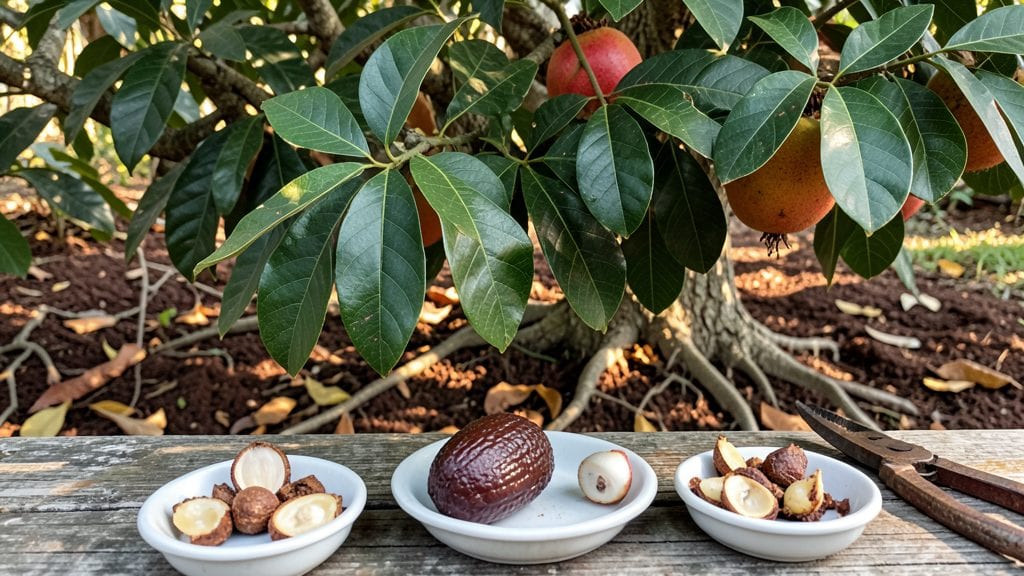
Rambutan seeds contain toxic compounds like tannins and saponins that can cause vomiting, diarrhea, and lethargy in pets if ingested. Avoid letting dogs, cats, or other animals chew or swallow them, and remove fallen seeds immediately from outdoor spaces.
When pets nibble on rambutan seeds, these harmful compounds trigger digestive upset and even neurological symptoms in severe cases. 🚨 Unlike the sweet, edible fruit pulp, the hard pit acts like a time bomb—cracking it releases concentrated toxins that pets can't metabolize safely.
Even small exposures require veterinary attention, as delayed reactions can include seizures or organ strain.
Pet owners should treat rambutan seeds like they would cherry pits or apple cores—completely off-limits. The good news? The vibrant red flesh is safe in moderation (just peel it carefully), and many tropical fruits share similar seed risks.
Always supervise pets around fallen fruit, and consider pet-proofing outdoor spaces with rambutan trees by installing barriers or using deterrent sprays.
💡 In This Article
- Toxic Compounds in Rambutan Seeds
- Pet-Safe Rambutan Handling Tips
Toxic compounds in rambutan seeds
The hard black pit of a rambutan contains concentrated levels of tannins and saponins, two naturally occurring compounds that serve as defense mechanisms in plants.
Tannins create that astringent, dry mouthfeel you might notice in black tea or unripe persimmons, while saponins produce soapy foam when mixed with water—both are chemical signals to deter herbivores.
In pets, these compounds trigger an immune response that manifests as gastrointestinal distress, with symptoms appearing within 30 minutes to 2 hours after ingestion.
The rambutan seed's toxicity stems from its high concentration of these compounds compared to the fruit's edible flesh. A single seed contains roughly 0.5-1.2 milligrams of tannins per gram of dried material, while saponins can reach 2-5% of the seed's dry weight.
For comparison, that's about 5-10 times the concentration found in mango pits or cherry stones—other tropical fruits with toxic seeds. The seed's tough outer shell also means pets must chew vigorously to access these toxins, increasing exposure risk.
Here's what happens when a pet ingests these compounds: Tannins bind to proteins in the digestive tract, causing inflammation and irritation that leads to vomiting and diarrhea. Saponins, meanwhile, act as natural detergents that disrupt cell membranes—particularly in the stomach and intestines—leading to fluid loss and electrolyte imbalances.
In severe cases, these compounds can cross the blood-brain barrier, causing neurological symptoms like tremors or seizures, especially in small pets like cats.
The fruit's flesh contains negligible amounts of these toxins, making it safe for pets in moderation (about 1-2 small pieces per 10 pounds of body weight). The key difference lies in the seed's hard, dense structure, which concentrates these compounds in a small, easily ingestible package.
Unlike the fibrous outer rind of citrus fruits or the soft pits of peaches, rambutan seeds are small enough to be swallowed whole by curious pets.
Comparing rambutan seeds to other tropical fruit pits reveals an important pattern: the most dangerous seeds tend to be those with high oil content combined with hard shells. For example, lychee seeds contain similar saponins but are less toxic because they're larger and less likely to be chewed.
The rambutan's small size and high toxin concentration make it particularly hazardous—similar to how apple seeds contain cyanogenic glycosides, but in much lower concentrations than rambutan seeds.
What most pet owners don't realize is that even small fragments of cracked rambutan seeds can be dangerous. The seed's inner tissue contains the highest concentration of toxins, and when the hard shell is breached—whether by a pet's teeth or outdoor elements—the exposed surface area increases toxin exposure risk dramatically.
This is why fallen seeds should be removed promptly, as rain or animal activity can crack them open.