Tools
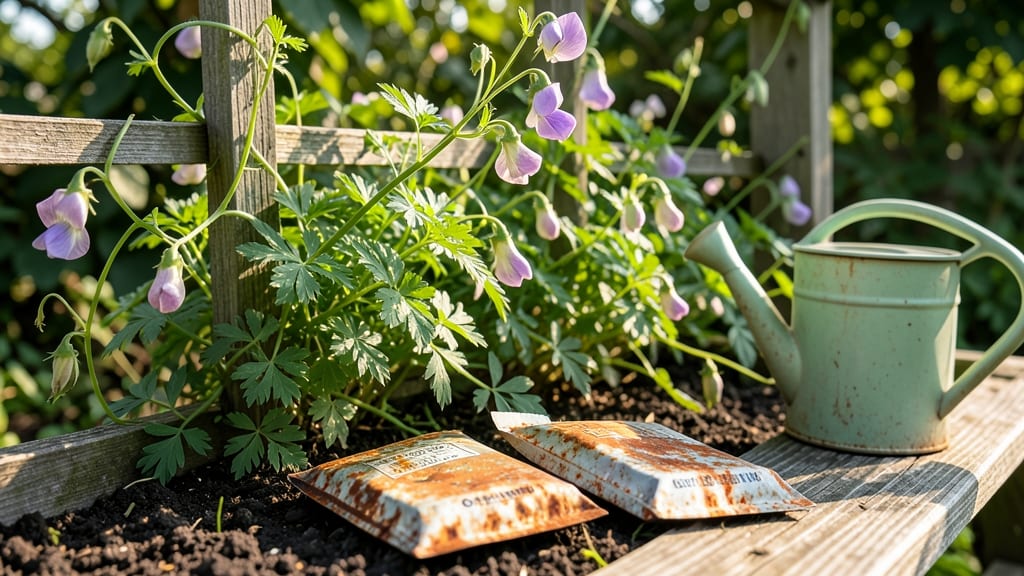
Rusted garden seeds can still produce reliable spring blooms with the right approach. 🌱 I’ve salvaged dozens of rusted seed packets by using cold stratification—a simple technique that mimics nature’s way of breaking seed dormancy while preventing mold.
The rust itself isn’t the real enemy; it’s the moisture and age that weaken viability, but cold stratification resets their potential.
The process starts with cleaning seeds gently—tap them to remove loose rust, then let them dry completely. Store them in a sealed bag with a damp paper towel for 4–6 weeks in the fridge.
This mimics winter conditions, tricking seeds into thinking spring has arrived. Most varieties, including peonies, delphiniums, and some perennials, respond beautifully to this method.
By spring, you’ll have fresh, healthy seedlings emerging instead of wasted seeds. The key is patience—stratification takes time, but the results are worth it. Rusty seeds that might have been discarded can become the foundation of your most vibrant spring garden.
For best results, use this method on seeds stored for more than a year or those exposed to damp conditions. Proper storage in airtight containers with silica gel packets prevents future rusting, ensuring your seeds stay viable for seasons to come.
The Hidden Triggers Behind Seed Corrosion
If you’ve ever opened a packet of garden seeds only to find them coated in an eerie, rust-colored residue, you’re not alone. This frustrating issue—often called rusted seeds—can turn your carefully planned spring garden into a disappointment.
But why does it happen? The answer lies in a mix of environmental factors, seed composition, and storage mistakes. Let’s break down the science behind seed corrosion and what’s really causing those unsightly (and potentially harmful) rust spots.
Seeds are living organisms, and like all living things, they need the right conditions to stay viable. However, too much moisture is their worst enemy. When humidity levels rise—especially above 60%—seeds absorb water from the air.
This moisture triggers the oxidation of metals in the seed coating or packaging, leading to rust formation. Even if your seeds are stored in airtight containers, tiny gaps or condensation can create a damp microclimate perfect for corrosion.
Why it matters: Rust isn’t just cosmetic—it can introduce harmful bacteria or fungi to your seeds, reducing germination rates or even killing them before they sprout. Worse, the rust itself may contain trace metals (like iron oxide) that can leach into the soil and affect plant health.
Actionable fix:
- Use desiccant packets (like silica gel) in seed storage containers to absorb excess moisture.
- Store seeds in a cool, dry place (ideally between 32–41°F (0–5°C) for long-term storage).
- Avoid storing seeds in basements, garages, or near appliances that produce heat or humidity.
Many commercial seed packets contain thin metal foils, staples, or even printed ink with metallic pigments. Over time, these metals react with oxygen and moisture in the air, creating rust that transfers to the seeds.
Even "rust-proof" mylar bags or plastic containers can fail if they’re not properly sealed or if the seeds inside are already compromised by moisture.
Why it matters: Direct contact between seeds and rusted metal isn’t just unsightly—it can physically damage the seed coat, making it harder for roots to emerge. Some studies suggest that metal oxidation byproducts may also interfere with enzymatic processes critical for germination.
Actionable fix:
- Transfer seeds to glass jars, ceramic containers, or food-grade plastic with tight-sealing lids.
- If repackaging, use parchment paper or silica gel as a buffer between seeds and any remaining metal packaging.
- For long-term storage, opt for vacuum-sealed bags designed for seed preservation.
Seeds stored in areas with wild temperature swings—like a windowsill exposed to sunlight during the day and cold drafts at night—are prime candidates for rust. These fluctuations cause condensation inside containers, trapping moisture and accelerating oxidation.
Even a single cycle of warming and cooling can create enough humidity to trigger rust within weeks.
Why it matters: Condensation isn’t just a nuisance; it creates a perfect breeding ground for mold and rust. The rust particles can also cling to seeds, making them sticky and less likely to flow freely when planting.
Actionable fix:
- Store seeds in a temperature-stable environment, like a pantry or refrigerator (not the freezer).
- Avoid storing seeds in plastic bins near windows or heaters.
- If condensation forms, wipe it dry immediately and let the container air out for a few hours before resealing.
Many commercial seeds come pre-treated with fungicides, insecticides, or even metal-based coatings (like copper or zinc) to improve shelf life. While these treatments help seeds resist pests and diseases, they can also react with moisture over time, leading to rust.
Organic seeds may still develop rust if stored improperly, but the issue is often more pronounced in treated varieties.
Why it matters: Chemical treatments are designed to break down slowly, but if they’re exposed to excess moisture, they can accelerate rust formation and even release harmful byproducts. This is especially true for seeds treated with metallic compounds like thiram or captan.
Actionable fix:
- Check seed packaging for metal-based treatments—if in doubt, store them separately from untreated seeds.
- For treated seeds, use extra-dry storage methods, like vacuum sealing with a desiccant.
- If rust appears, discard heavily affected seeds and test a few for germination before planting the rest.
Understanding these causes is the first step to preventing rusted seeds—and ensuring your spring garden starts with the best possible foundation. Next, we’ll explore how cold stratification can help revive seeds that are still viable despite rust, plus long-term storage tips to keep your seeds pristine for years to come.
Revive and Protect Your Seeds
---
If your seeds have fallen victim to rust or oxidation, don’t toss them out just yet! With the right steps, you can restore their viability and prevent future damage. Below are targeted solutions for common causes of rusted seeds, along with practical prevention tips to keep your garden thriving.
---
Seeds left in damp conditions—whether from rain, high humidity, or improper storage—can develop rust spots. Here’s how to clean and revive them:
- 🧼 Rinse Gently Place the seeds in a fine-mesh strainer and rinse them under cool, running water for 30 seconds. Avoid scrubbing to prevent damaging the seed coat.
- 🌞 Air Dry Thoroughly Spread seeds on a clean, dry paper towel or mesh screen in a well-ventilated area. Let them dry for 24–48 hours until completely moisture-free. A fan on low can speed up the process.
- 🧴 Apply a Light Antifungal Treatment (Optional) For stubborn rust, soak seeds in a 1:10 hydrogen peroxide solution (3% concentration) for 5–10 minutes, then rinse and dry again. This kills mold spores without harming the seed.
- 📦 Store Properly Once dry, transfer seeds to an airtight container with a silica gel packet or uncooked rice (a natural moisture absorber). Store in a cool, dark place (like a fridge) to prevent future rust.
---
If rust is superficial and hasn’t penetrated the seed coat, a simple scrub can work:
- 🧤 Use a Soft Brush Gently brush rusted seeds with a soft-bristled toothbrush or cotton swab dipped in rubbing alcohol (70% isopropyl). This loosens rust without scratching.
- 🌿 Test for Viability After cleaning, perform a float test: Drop seeds in water. If they sink, they’re likely still viable. Discard any that float (they’re likely non-viable).
---
An ounce of prevention saves hours of cleanup. Follow these steps to keep seeds rust-free:
- ✅ Choose the Right Storage - Use glass jars with tight lids or Mylar bags with oxygen absorbers for long-term storage. - Avoid plastic bags—condensation builds up, promoting rust.
- 🌡️ Control Humidity - Ideal humidity for seed storage: 30–50%. A hygrometer helps monitor levels. - Pro Tip: 💡 Place a small packet of cat litter (unscented) in your seed storage container—it absorbs excess moisture naturally.
- 🔥 Store Seeds in a Cool, Dry Place - Fridge (35–40°F) is best for long-term storage (up to 5 years for most seeds). - Pantry (60–70°F) works for short-term (1–2 years), but monitor humidity.
- 🎯 Label and Rotate Stock - Write the date and seed type on containers to track freshness. - Use older seeds first (FIFO—First In, First Out) to avoid hoarding rust-prone stock.
---
If seeds are severely corroded but you’re desperate to save them:
1. 🔪 Nick the Seed Coat (Carefully!) Use a sterilized needle to gently puncture the seed coat in one spot. This helps water and nutrients penetrate during germination.
2. 🌱 Soak in Water + Vinegar Solution Mix 1 part white vinegar with 3 parts water and soak seeds for 12 hours. The acidity may help dissolve remaining rust.
3. 🌱 Plant Immediately Sow treated seeds shallowly (just below soil surface) in a moist, well-draining mix. Keep soil consistently damp until sprouts appear.
---
Remember: While rusted seeds can often be revived, prevention is key. A little extra care in storage now means healthier plants and fewer headaches come spring!
Frequently asked questions about rusty garden seeds
Can I still plant seeds that look rusty?
Yes, but only if the rust is superficial and hasn't penetrated the seed coat. Gently rinse seeds with cool water, dry them thoroughly, and perform a float test—viable seeds will sink. For stubborn rust, soak in a 1:10 hydrogen peroxide solution for 5-10 minutes to kill mold spores before planting.
What causes rust on garden seeds?
Rust forms when seeds encounter excess moisture (above 60% humidity) combined with metal particles from packaging or coatings. Common triggers include damp storage areas, condensation in containers, or temperature fluctuations causing moisture buildup. Metal-based seed treatments can also accelerate rust formation.
How do I prevent rust on my seeds long-term?
Store seeds in airtight glass jars with silica gel packets in a cool (32-41°F), dry place. Avoid plastic bags that trap condensation. Use uncooked rice as a natural moisture absorber or monitor humidity with a hygrometer. Label containers with dates to use older seeds first.
Will rust on seeds affect my plants?
Superficial rust is usually harmless, but severe corrosion can introduce bacteria or damage seed coats, reducing germination rates. Rust particles may also leach metals into soil. Always clean seeds thoroughly before planting and discard any that show signs of mold or excessive deterioration.
Can cold stratification help rusted seeds?
Cold stratification mimics winter conditions, breaking seed dormancy while allowing rust to dry out. Place cleaned, dry seeds in a sealed bag with a damp paper towel and refrigerate for 4-6 weeks. This method works particularly well for perennials like peonies and delphiniums that often develop rust.