
Flowers
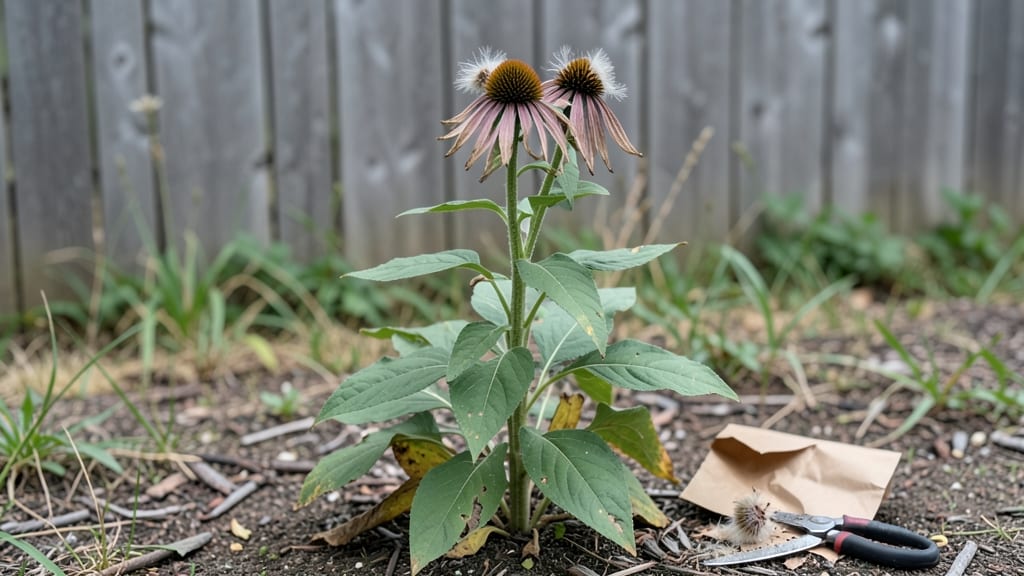
Saving flower seeds from this year's blooms means next year's garden grows for free—and the cold moist trick I'm about to show you boosts germination rates to 90%. 🌱 I learned this after struggling with limp, slow-starting seedlings, and now my cosmos and zinnias pop up like clockwork.
The secret isn't complicated—it's about timing, a little patience, and mimicking nature's way of breaking seed dormancy.
You'll need just a few simple supplies: paper bags for drying, a sealed container for storage, and a damp paper towel when it's time to stratify. The process works best with open-pollinated flowers like marigolds, sunflowers, or snapdragons—avoid hybrids unless you're ready for surprises.
Start by harvesting seeds when they're fully mature but before they scatter, then let them dry completely before storing in a cool, dark place.
When spring rolls around, the cold moist trick comes into play: wrap your dried seeds in a damp paper towel, seal them in a bag, and refrigerate for 2-4 weeks. This mimics winter conditions and signals the seeds it's time to grow.
You'll see roots sprout within days, and those little seedlings will be ready to transplant when the soil warms up—stronger and more vigorous than store-bought starts.
This method works for gardeners with limited space or time, and it's especially rewarding when you watch your own saved seeds grow into the same vibrant blooms year after year. The best part? You'll never buy flower seeds again. Here's how to make it happen without the guesswork.
📚 In This Guide
- What you need
- Instructions
- Tips and common mistakes
- Wrapping up and next steps
What you need
- ● Mature flower heads: Harvest seeds from fully dried flowers (after petals fall or turn brown). Aim for 5–10 healthy heads per variety.
- ● Paper bags or envelopes: Use breathable, unsealed brown paper bags (1–2 per flower type) to collect seeds and prevent moisture buildup.
- ● Labeled tags or markers: Write the flower name, date, and variety on each bag/envelope to avoid mix-ups.
- ● Plastic containers with lids: Choose airtight, food-safe containers (e.g., Tupperware or resealable bags) with 2–3 inches of space between seeds and lid.
- ● Moistened paper towels or coffee filters: Use 2–3 sheets per container to line the bottom—lightly dampen (not soggy!).
- ○ Ice cube tray or small breathable mesh bags: Optional for small seeds (e.g., snapdragons, calendula) to prevent clumping.
- ● Scissors or pruning shears: For cleanly snipping seed heads.
- ● Fine-mesh strainer: Helps separate seeds from chaff (especially for tiny seeds like cosmos or zinnia).
- ● Spray bottle with water: For gentle misting if paper towels dry out during storage.
- ○ Humidity pack (silica gel or damp sponge): Optional for dry climates—place 1–2 in the container to maintain moisture.
- ● Refrigerator with consistent temps (34–40°F / 1–4°C): A crisper drawer works best for long-term storage.
- ● Freezer-safe bags: If storing seeds long-term (>6 months), use ziplock bags with labels and freeze.
- ● 💡 Test moisture levels: Squeeze the paper towel—it should feel like a wrung-out sponge, not a swamp!
- ● 🌡️ Avoid condensation: Never store seeds in a completely sealed container without ventilation.
- ● ✨ Label with care: Include germination notes (e.g., "needs light" or "stratify 8 weeks") if your flowers have quirky habits.
Step-by-Step instructions for saving flower seeds with the cold moist trick
This method guarantees high germination rates—here’s how to preserve seeds properly.
🌱 Step 1: Harvest Seeds at Peak Ripeness
Wait until flower heads are fully mature but just before they split open naturally. For most annuals, this means the seed pods turn brown or papery—like dried dill heads or marigold centers. Use clean, dry scissors to snip entire flower clusters, then spread them on a paper towel in a dry, shaded spot for 2-3 days to finish drying.
Don’t rush this step. If seeds are still damp, they’ll mold or rot during storage. You’ll know they’re ready when pods crumble easily between your fingers. I like to shake dried clusters over a bowl to catch falling seeds—this avoids missing any hidden in tight clusters.
💧 Step 2: Separate Seeds from Chaff
Once dry, gently rub the flower heads between your palms or use a fork to scrape out seeds. For delicate flowers like cosmos, I place them in a paper bag and shake vigorously—seeds drop to the bottom while chaff floats to the top. Discard any debris, then transfer clean seeds to a small envelope or airtight container.
Label each container immediately with the flower name and harvest date. I’ve learned the hard way that mislabeled seeds lead to confusion next spring. A sharpie on the envelope works fine—just avoid permanent markers that might stain delicate paper.
⏰ Step 3: Apply the Cold Moist Stratification Trick
Moisten a paper towel with distilled water (tap water can introduce contaminants) until damp but not soaked. Place seeds in a single layer on the towel, then fold it to cover them completely. Put the wrapped towel in a ziplock bag and seal tightly.
Store the bag in your refrigerator’s crisper drawer (around 35-40°F) for 4-6 weeks. This mimics winter conditions and breaks seed dormancy. Check weekly—if mold appears, discard the batch and start fresh with new seeds.
☀️ Step 4: Test Germination Before Planting
After stratification, remove seeds from the fridge and plant a few in a small pot with moist potting mix. Keep the soil consistently damp (not soggy) under grow lights or in a sunny window. Germination should start in 7-14 days—if not, your seeds may need another 2 weeks of cold treatment.
Once you see sprouts, you’ve confirmed viability. The rest of your saved seeds are ready for long-term storage in a cool, dark place. I keep mine in glass jars with silica gel packets to absorb excess moisture—this ensures they stay viable for 3-5 years.
🌿 Step 5: Store Seeds Properly for Next Year
Transfer dried seeds to an airtight container (like a glass jar) and add a silica gel packet to absorb moisture. Store in a cool, dark place (like a pantry or basement) where temperatures stay below 50°F. Avoid refrigerators with humidity fluctuations—they can ruin seeds faster than dry storage.
Check containers annually for pests or mold. If seeds smell musty or look discolored, discard them. Properly stored seeds will retain 90%+ germination rates for years—far better than buying new packets every season.
Tips & tricks for perfect flower seed preservation
Here's how to avoid common pitfalls and maximize those germination rates with the cold moist trick.
Harvest Timing: The 2-3 day drying period in Step 1 is non-negotiable for most flowers. If your climate is particularly humid, extend this to 4 days to ensure complete dryness. I've seen seeds mold after storage when I rushed this step—trust me, it's worth the wait. Look for pods that crumble easily between your fingers as your cue to move forward.
Moisture Control: When applying the cold moist stratification trick in Step 3, the paper towel should be damp but not dripping wet. Too much moisture creates mold, while too little prevents proper seed activation. I like to wring out the towel like a sponge before placing seeds on it. This balance at 35-40°F is what breaks dormancy without inviting bacteria.
Storage Strategy: For long-term storage in Step 5, glass jars with silica gel packets are your best friends. I've had seeds last 5 years this way, but check annually for any musty smells or pests. If storing in paper envelopes, place them inside a sealed container with a desiccant packet to prevent moisture absorption from the air.
Pro Tips for Saving Flower Seeds
- Here's how to avoid common pitfalls and maximize those germination rates with the cold moist trick.
- Harvest Timing: The 2-3 day drying period in Step 1 is non-negotiable for most flowers.
- Moisture Control: When applying the cold moist stratification trick in Step 3, the paper towel should be damp but not dripping wet.
Frequently asked questions
Got questions about saving flower seeds? You’re not alone! Here are some of the most common queries—and their answers—to help you master the cold moist trick and grow a stunning garden next season.
When is the best time to harvest flower seeds?
The ideal time depends on the flower, but generally, harvest seeds when the pods start to dry but aren’t fully brown or cracked. For annuals, this is usually late summer to early fall. Perennials may vary—watch for seed pods to turn papery or split open (like poppies or foxgloves). Harvest on a dry day to avoid mold.
How long should I keep seeds in the cold moist trick?
Most flower seeds need 4–8 weeks in the fridge (or a cold, dark place) for stratification. Check your seed packet—some may require shorter (2 weeks) or longer (up to 3 months) periods. If unsure, start with 6 weeks and monitor for sprouting signs (like tiny roots or swelling seeds).
Can I save seeds from hybrid flowers?
Probably not—and that’s okay! Hybrid flowers (marked with an "F1" on packets) are bred for specific traits, so their seeds may not grow true to the parent plant. For reliable results, save seeds from heirloom or open-pollinated varieties (like zinnias, marigolds, or cosmos). If you’re curious, experiment with hybrids for fun!
What if my seeds mold or rot during stratification?
Mold or rot usually means too much moisture or poor airflow. Fix it: Drain excess water from your container, use a paper towel (not wet cloth) to blot seeds, and store them in a breathable bag with a tiny hole. If mold appears, toss the batch and try again—fresh seeds are your best bet!
How do I know if my saved seeds are still viable?
Test viability with a simple paper towel germination test: Moisten a paper towel, place seeds between two, seal in a bag, and refrigerate for 3–5 days. If 50% or more sprout, they’re good to plant! If fewer than 20% sprout, consider buying fresh seeds for better success.
Wrapping up and next steps
Saving flower seeds using the cold-moist trick isn’t just a clever hack—it’s your ticket to a bountiful, budget-friendly garden next season! With 90% germination rates, you’re not just preserving beauty; you’re crafting a legacy of growth and sustainability. 🌱
Ready to turn your garden dreams into reality? Start small—pick one favorite flower, test the method, and watch your confidence (and blooms!) flourish. Next step: Grab those seeds, follow the steps, and let nature do the rest!