Lawn
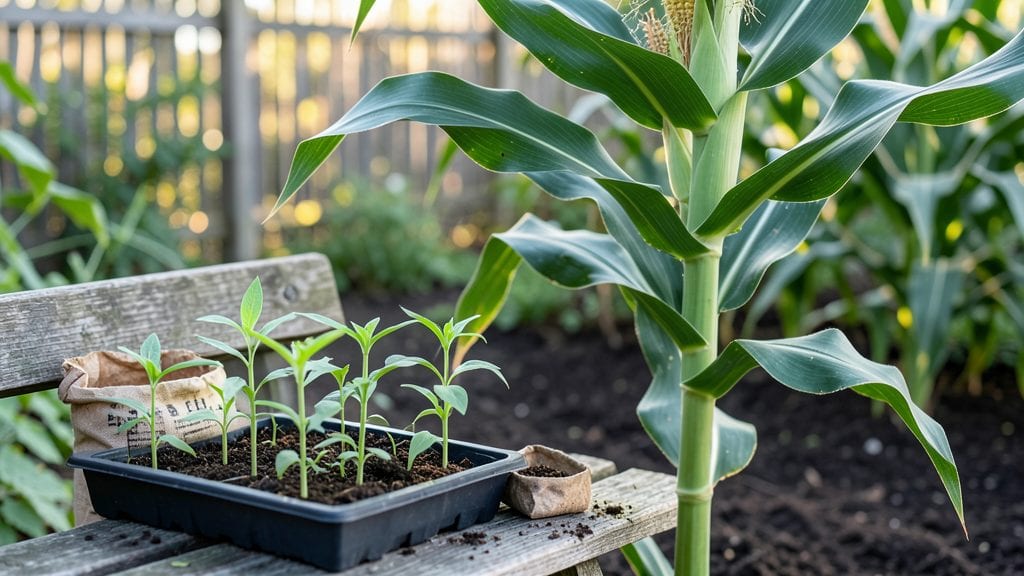
Growing maize from seed isn't just for cornfields—it's how I turned my front yard into a sun-dappled oasis that neighbors ask about. 🌱 The same kernels that feed the world can create a striking, textured lawn when planted right, with deep green blades that sway in the breeze.
You don’t need acres or fancy equipment—just a sunny patch, loose soil, and patience. I start with a 1-inch deep trench in well-draining soil, spacing seeds 6 inches apart. Water lightly after planting, then keep the soil consistently moist (not soggy) until germination, which takes about 7–14 days.
The key is mimicking the corn’s natural habitat: warm soil and full sun.
By summer’s end, you’ll have a lawn that’s taller than grass but softer underfoot, with a rustling sound that feels like a secret garden. The plants grow fast—up to 2 feet in a season—so you’ll see results before you know it.
Just watch for slugs and keep weeds at bay in those early weeks.
Works in zones 5–10, though cooler climates need an early start. Once established, these plants handle drought better than turfgrass and come back year after year with minimal care. Ready to grow your own statement lawn?
📚 In This Guide
- What you need
- Instructions
- Tips and common mistakes
- Wrapping up and next steps
What you need
- ● Maize seeds: Choose high-quality, non-GMO seeds (e.g., Zea mays varieties like 'Sweet Corn' or 'Popcorn'). Aim for 2–3 lbs per 100 sq ft for dense coverage.
- ● Seedling trays or biodegradable pots: 72-cell trays or 2–3" pots (10–20 trays, depending on lawn size).
- ● Potting mix: Lightweight, well-draining mix (e.g., 50% peat moss, 30% perlite, 20% compost).
- ● Lawn soil prep: Garden tiller or rototiller (rent if needed).
- ● Compost or aged manure (2–3 inches mixed into topsoil).
- ● Organic fertilizer (e.g., 10-10-10 or corn-specific blend).
- ● Watering tools: Hose with adjustable nozzle or drip irrigation system (for precision).
- ● Watering can (for seedlings).
- ● Protective gear: Gloves, knee pads, and a wide-brimmed hat (sun protection is key!).
- ● Seedling heat mat (for faster germination in cool climates).
- ● Row covers or shade cloth (to protect young plants from pests/heat).
- ● Soil pH test kit (ideal range: 6.0–7.0; adjust with lime or sulfur if needed).
- ● Mulch (straw or grass clippings) (to retain moisture and suppress weeds).
- ● Lawn edging tools (for clean borders if planting near pathways).
Step-by-step instructions for growing maize from seed
Turn those tiny kernels into a stunning year-round lawn feature with this simple, proven method.
🌱 Step 1: Choose the Right Variety and Prepare the Soil
Select a decorative maize variety suited for ornamental use, like 'Black Aztec' or 'Red Sun'—these stay colorful longer. Maize thrives in full sun and well-draining soil, so pick a spot that gets at least 6-8 hours of sunlight daily. Avoid low-lying areas where water pools, as maize roots hate soggy conditions.
Loosen the soil to a depth of 12 inches using a garden fork or tiller. Mix in 2-3 inches of compost to enrich the soil naturally. The goal is loose, crumbly soil that lets roots spread easily. I like to add a handful of wood ash for extra potassium, which helps those tall stalks stay strong.
🌱 Step 2: Plant Seeds at the Right Depth and Spacing
Sow seeds ½ inch deep and 12 inches apart in rows spaced 2 feet apart. Planting too deep slows germination, while shallow planting risks drying out the seed. For a lush look, plant 4 seeds per hill—you can thin later. Water the soil lightly after planting to settle the seeds in place.
Here's the thing—maize seeds need warm soil to germinate. Wait until the soil temperature reaches at least 60°F before planting, usually after the last frost. If you're in doubt, stick a thermometer in the soil—it's the only way to be sure. Germination takes 7-14 days, so be patient.
💧 Step 3: Water Deeply and Maintain Moisture
Water deeply once a week to encourage strong root growth, aiming for 1-1.5 inches of water per week. Shallow watering leads to weak stalks that flop over in wind. The best time to water is in the early morning so leaves dry quickly and reduce disease risk.
You'll know moisture is right when the soil feels damp 2 inches down—stick your finger in to check. Avoid overhead watering once plants are established; instead, use a soaker hose or water at the base. This prevents fungal issues and keeps those striking tassels dry and healthy.
☀️ Step 4: Fertilize and Support Growth
Apply a balanced fertilizer (10-10-10) when plants reach 12 inches tall, following package instructions. Maize is a heavy feeder, so a second application at mid-season keeps growth vigorous. I also sprinkle compost tea every 4 weeks for extra nutrients without burning the plants.
Tall varieties may need staking if they lean heavily. Insert 3-foot stakes near each plant at planting time and loosely tie stems with soft twine as they grow. This prevents breakage and keeps stalks upright for that dramatic, ornamental look.
⏰ Step 5: Harvest and Prepare for Year-Round Beauty
Leave stalks standing until they turn brown and dry in fall, usually 90-120 days after planting. Cut back to 6-8 inches tall in late fall and remove dried seed heads. This encourages new growth in spring and keeps the lawn looking tidy.
Real talk: Maize is a perennial in warm climates but dies back in cold winters. In colder zones, treat it as an annual and replant fresh seeds each spring. The key to year-round beauty is selective pruning—trim back old growth in early spring to reveal fresh, vibrant shoots.
Tips & tricks for perfect maize growth
Transforming those tiny kernels into a stunning lawn feature takes more than just planting—it's about understanding the little details that make all the difference.
The Soil Temperature Secret: That 60°F soil temperature isn't just a recommendation—it's crucial for germination. I've seen seeds planted too early in cool soil simply refuse to sprout. If you're unsure about your soil temperature, invest in a simple soil thermometer. It's a small price to pay for avoiding weeks of waiting for nothing. Planting when soil reaches 60°F ensures your seeds wake up and start growing instead of sitting dormant.
Planting Precision: When you're planting those 4 seeds per hill, don't just eyeball it—use a small ruler or measuring tape to ensure they're ½ inch deep and 12 inches apart. Too deep and they'll struggle to push through the soil; too shallow and they'll dry out. I like to make a small hole with my finger, drop in the seeds, then cover gently with soil. This creates a cozy environment for those little sprouts to push through.
Watering Wisdom: The 1-1.5 inches of water per week isn't just about quantity—it's about technique. Use a rain gauge or tuna can to measure your water accurately. When you water in the early morning, you're giving the plants time to dry out completely before evening, which prevents fungal diseases that can ruin your beautiful maize. And that 2 inches down damp check? It's the only way to know you're watering correctly without overdoing it.
Fertilizer Timing: When your plants reach 12 inches tall, that first fertilizer application is critical. I've found that using a 10-10-10 balanced fertilizer gives the plants exactly what they need without overwhelming them. The second application at mid-season keeps them growing strong, but don't skip the compost tea every 4 weeks—it's like giving your plants a gentle, natural boost without the risk of burning.
Pro Tips for Seed Of Maize
- Transforming those tiny kernels into a stunning lawn feature takes more than just planting—it's about understanding the little details that make all the difference.
- The Soil Temperature Secret: That 60°F soil temperature isn't just a recommendation—it's crucial for germination.
- Planting Precision: When you're planting those 4 seeds per hill, don't just eyeball it—use a small ruler or measuring tape to ensure they're ½ inch deep and 12 inches apart.
Frequently asked questions
Got questions about growing maize seeds for a stunning lawn? You’re not alone! Here are some of the most common queries—and their answers—to help you get started with confidence.
How long does it take for maize seeds to germinate?
Maize seeds typically sprout within 7 to 14 days after planting, depending on soil temperature and moisture. For faster germination, keep the soil consistently warm (around 60–85°F) and moist. If you’re planting in cooler months, consider using a seedling heat mat to speed things up!
Can I plant maize seeds year-round for a lawn?
While maize thrives in warm seasons, it’s not ideal for year-round lawns in most climates. It prefers temperatures between 60–90°F and struggles in frost or extreme cold. For a lush, all-season look, mix maize with cold-hardy grasses like fescue or ryegrass, or plant maize in spring/summer and overseed with winter-friendly options later.
What’s the best alternative if maize seeds don’t grow well in my area?
If your climate isn’t maize-friendly, try ornamental grasses like fountain grass, switchgrass, or even drought-resistant varieties like buffalo grass. These offer similar texture and movement while adapting better to your local conditions. For a maize-like aesthetic, consider miscanthus—it’s hardy, dramatic, and low-maintenance!
Why are my maize seeds rotting instead of sprouting?
Rotting seeds usually mean too much moisture or poor drainage. Ensure your planting area has well-draining soil (mix in sand or compost if needed) and avoid overwatering. If seeds are soggy or moldy, replant in drier soil and consider using a fungicide to prevent disease. Pro tip: Plant seeds at 1–2 inches deep—too shallow can lead to drying out, while too deep slows germination.
Do I need to fertilize maize seeds right after planting?
Not immediately! Wait until seedlings are 2–3 inches tall before applying a balanced fertilizer (like 10-10-10). Over-fertilizing new seeds can burn tender roots. For best results, use a slow-release granular fertilizer or compost tea to feed the soil gradually. Avoid high-nitrogen blends early on—they encourage leafy growth over strong root development.
Wrapping up and next steps
Growing maize from seed is a rewarding journey that transforms tiny kernels into vibrant, lush lawns—and you’ve got all the tools to succeed! 🌱 Whether you’re a seasoned gardener or a beginner, the key is patience, proper preparation, and a little love for the earth.
Now that you’re equipped with the right knowledge, it’s time to roll up your sleeves and get planting.
Your next step? Start small—pick a sunny spot, prep the soil, and sow those seeds with confidence. Before you know it, your lawn will be the talk of the neighborhood, one kernel at a time. Happy growing! 🌟