Pruning
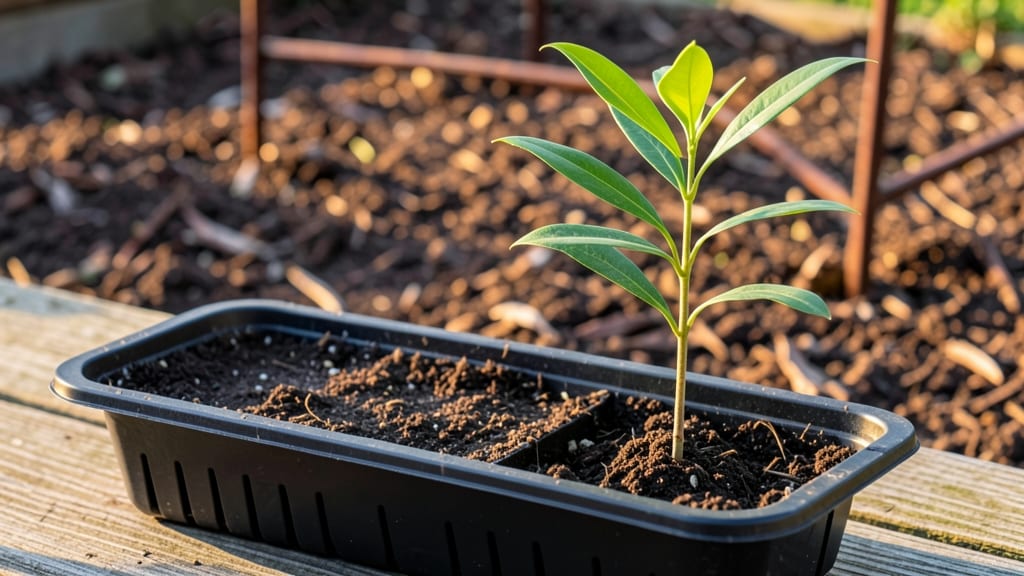
Nurturing a seeded eucalyptus tree from scratch is the ultimate patience test—those first green shoots feel like a miracle after months of waiting. 🌱 I cracked the code after three failed attempts, and now my seedlings thrive with just a few key adjustments. to soil, light, and water.
The secret isn't fancy equipment but understanding what these picky seeds actually need to break dormancy.
You'll start with a simple setup: a shallow tray, damp paper towels, and a warm spot near a window. Most people overwater or bury seeds too deep, which kills germination before it begins.
Instead, keep the soil barely moist and patient—some seeds take 6-8 weeks to sprout. Once they do, you'll need bright indirect light and a gentle watering routine to keep them from drying out.
By the time they're ready to transplant, you'll have sturdy 6-inch seedlings with glossy leaves that smell like a coastal breeze. The real payoff comes when you move them outdoors—suddenly, your backyard has that signature eucalyptus fragrance and a tree that grows 3-5 feet per year with minimal care.
No more buying nursery trees at $50 a pop.
Works for both containers and in-ground planting, though container-grown trees stay more manageable for small yards. The key is consistency—once you nail the germination step, the rest is just watching them grow. Here's how to get those first leaves sprouting without the heartbreak of failed attempts.
📚 In This Guide
- What you need
- Instructions
- Tips and common mistakes
- Wrapping up and next steps
What you need
- ● Pruning shears: Bypass pruners (sharp, clean, and 5-7 inch blades for precision cuts).
- ● Loppers: 8-10 inch for thicker branches (up to 2 inches in diameter).
- ● Hand saw: Pruning saw with a curved blade for stubborn, woody growth.
- ● Disinfectant: 70% isopropyl alcohol or diluted bleach solution (1 part bleach to 10 parts water) to sterilize tools between cuts.
- ● Gloves: Heavy-duty, cut-resistant (eucalyptus sap can irritate skin!).
- ○ Tree wound sealant (optional but helpful): Pruning paste or beeswax-based sealant for larger cuts (over ½ inch).
- ● Ladder or step stool: Sturdy and tall enough to reach branches safely (3-6 feet, depending on tree height).
- ● Trash bags or bucket: For collecting pruned branches (eucalyptus leaves are flammable—dispose of them properly!).
- ● Timing: Choose a cloudy day or early morning to minimize stress on the tree (avoid pruning during peak sun hours).
- ● Weather check: Ensure the forecast is dry for 24-48 hours post-pruning to prevent fungal infections.
- ● Safety first: Wear long sleeves and closed-toe shoes—eucalyptus branches can be sharp!
- ● Tree health assessment: Inspect the tree for pests, diseases, or dead branches before pruning.
- ● Pole saw: For high branches (extendable up to 10-12 feet).
- ● Tree tie or zip ties: To secure branches if you’re shaping for support (e.g., espalier training).
- ● Camera or sketchbook: To map out your pruning plan before making cuts.
- ● Compost bin: For repurposing small pruned branches into mulch.
Step-by-step guide to pruning seeded eucalyptus trees
Here's how to keep your eucalyptus lush and healthy year-round with minimal stress.
✂️ Step 1: Assess Growth and Identify Pruning Zones
Start by examining your eucalyptus for dead, diseased, or crossing branches. These are your first targets—they compete for nutrients and invite pests. Look for branches growing toward the center of the tree or rubbing against others; these will thin out the canopy if left unchecked. I always prune in the late winter or early spring when the tree is dormant but about to burst with new growth.
Use your fingers to gently test branch strength—if it snaps easily, it's likely dead and should be removed. Healthy branches will have a firm, green interior when cut open. Mark these areas with a small piece of twine or a white marker so you don’t accidentally miss them later.
✂️ Step 2: Sterilize Tools and Make Clean Cuts
Before you touch any branches, wipe your pruning shears and saw with 70% isopropyl alcohol or a bleach solution (1 part bleach to 9 parts water). This prevents spreading disease between cuts. Eucalyptus sap can gum up tools quickly, so I keep a rag handy to wipe them clean after each cut.
Make cuts just outside the branch collar—the swollen area where the branch meets the trunk. Angle your cut slightly downward to allow water to run off, never leaving a stub. For larger branches over ½ inch thick, use a pruning saw to avoid tearing the bark. You’ll see a clean, white ring of cambium when you cut correctly—this is your sign the cut is healing-friendly.
✂️ Step 3: Thin Out and Shape the Canopy
Remove up to 25% of the tree’s total foliage in one session to avoid shocking it. Focus on branches growing inward or downward—they block sunlight and air flow. Start at the outer edges and work your way inward, always stepping back to visualize the shape. Eucalyptus responds well to gradual shaping, so avoid heavy pruning in a single session.
For young trees under 5 feet tall, you can prune more aggressively to encourage bushier growth. Older trees benefit from lighter pruning to maintain their natural form. Never remove more than ⅓ of the canopy in one year, or you risk stressing the tree beyond recovery.
✂️ Step 4: Prune for Airflow and Pest Prevention
Look for dense clusters of leaves where moisture can linger—these are prime spots for fungal diseases. Thin these areas by removing every other branch until light can penetrate the canopy. I aim for a 6-12 inch gap between branches to improve airflow. This isn’t just about looks; it’s about keeping your tree healthy long-term.
Check the undersides of leaves for signs of pests like aphids or scale insects. If you spot them, prune those branches immediately and dispose of them in a sealed bag. A quick spray with neem oil afterward helps deter future infestations. Healthy eucalyptus trees rarely attract pests, but prevention is key.
⏰ Step 5: Post-Pruning Care and Monitoring
Water the tree deeply right after pruning to help it recover. Eucalyptus trees have deep roots, so focus on soaking the soil around the drip line—not just the surface. Avoid fertilizing immediately, as new growth can be vulnerable to stress. Wait 4-6 weeks before applying a balanced fertilizer if needed.
Monitor the pruned areas for 2-3 weeks for signs of stress like yellowing leaves or oozing sap. If you see excessive sap, it’s a sign the cuts were too large or too close to the trunk. In that case, trim back slightly to the next branch collar. With proper care, your eucalyptus will reward you with vibrant new growth within 6-8 weeks.
Tips & tricks for pruning seeded eucalyptus trees
Here's what I've learned from years of pruning eucalyptus without causing stress to the tree—these small details make all the difference.
Season Timing: Late winter or early spring is ideal because the tree is dormant but ready to burst with new growth. If you prune too late in spring, you risk encouraging tender new shoots that can't handle summer heat. I've found that pruning right before the first flush of new leaves gives the tree the best start.
Branch Collar Precision: The branch collar—the swollen area where the branch meets the trunk—is your guide for clean cuts. Never cut flush with the trunk; always leave that collar intact. It's like the tree's natural bandage that helps wounds heal faster. I've seen too many pruning mistakes where people cut too close, leaving ugly stubs that invite disease.
Gradual Pruning Strategy: Remove only up to 25% of the foliage in one session to avoid shocking the tree. Think of it like a haircut—you wouldn't cut all your hair off at once! For older trees, spread pruning over two years if needed. I've learned this the hard way after seeing trees struggle after heavy pruning. The goal is to maintain health, not just aesthetics.
Post-Pruning Care: Deep watering right after pruning helps the tree recover, but don't fertilize immediately. New growth is vulnerable, and adding nutrients too soon can stress the tree. I wait 4-6 weeks before considering fertilizer, giving the tree time to recover naturally. This patience pays off with stronger regrowth within 6-8 weeks.
Pro Tips for Seeded Eucalyptus Tree
- Here's what I've learned from years of pruning eucalyptus without causing stress to the tree—these small details make all the difference.
- Season Timing: Late winter or early spring is ideal because the tree is dormant but ready to burst with new growth.
- Branch Collar Precision: The branch collar—the swollen area where the branch meets the trunk—is your guide for clean cuts.
Frequently asked questions
Got questions about pruning seeded eucalyptus trees? You’re not alone! Here are some common concerns—and clear answers—to help you keep your tree healthy and well-shaped year-round.
How often should I prune a seeded eucalyptus tree?
For young trees (under 5 years), prune lightly once a year—typically in late winter or early spring—to encourage strong growth. Mature trees may need two light prunings per year: one in spring (to shape) and another in summer (to control overgrowth). Avoid heavy pruning in fall or winter, as it stresses the tree.
Can I prune seeded eucalyptus trees in winter?
Winter pruning is not ideal for seeded eucalyptus. These trees are evergreen and grow year-round in warm climates, so pruning in cold months can shock them. If you must prune in winter, do so only in mild climates and avoid removing more than 10% of the foliage. Spring and summer are the best times!
What if my eucalyptus tree isn’t growing after pruning?
If your tree seems sluggish post-pruning, check for these issues:
- Over-pruning: Never remove more than 25% of the canopy at once.
- Pests/disease: Inspect for aphids, scale, or fungal spots.
- Water stress: Deep-water the tree weekly during dry spells.
Are there alternatives to pruning for shaping a seeded eucalyptus?
While pruning is the most effective method, you can guide growth naturally by:
- Planting near a fence or trellis to train branches.
- Using selective fertilization to encourage upward growth.
- Choosing a dwarf variety (like Eucalyptus pauciflora) if height control is a priority.
What’s the best way to dispose of pruned eucalyptus branches?
Eucalyptus branches release eucalyptol, a compound that can harm other plants if left on soil. Do not compost them—instead:
- Burn them safely (if local laws allow).
- Use them as firewood (they burn hot!).
- Bag and discard with yard waste.
Wrapping up and next steps
Pruning your seeded eucalyptus tree doesn’t have to be a seasonal headache—with the right tools, timing, and techniques, you can keep it thriving year-round while shaping it to your heart’s content! 🌿 Whether you’re trimming for aesthetics, health, or safety, consistency is key.
Remember, patience pays off: eucalyptus responds best to gradual adjustments, so take your time and celebrate small victories along the way.
Ready to take the next step? Start small—pick one pruning session this week to practice your skills, then gradually expand. Before you know it, your eucalyptus will be the showstopper of your garden! 🌟 Check out our pruning calendar for seasonal reminders and keep those shears handy.