
Trees
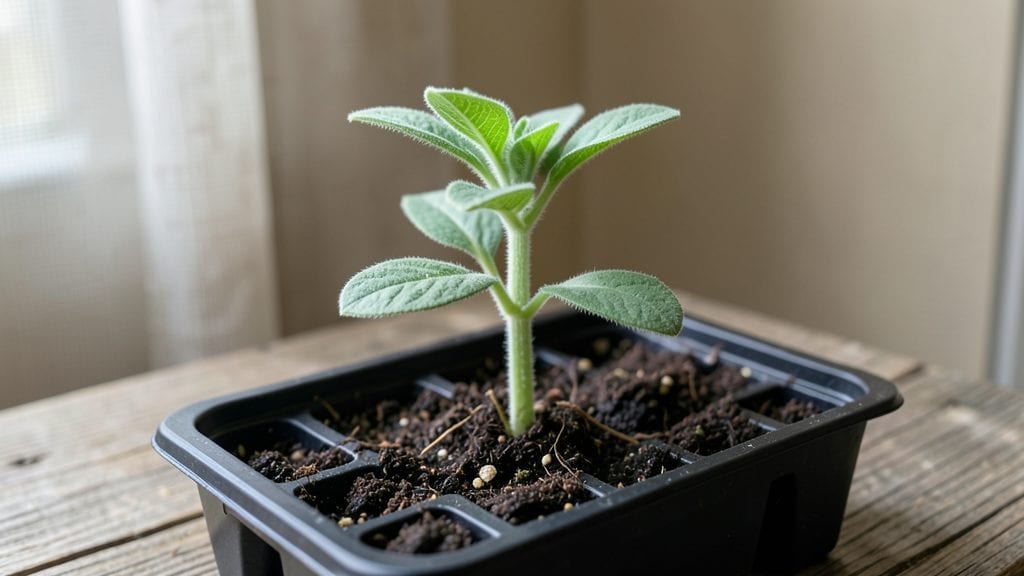
The identification of a snapdragon seedling starts with those tiny, fuzzy leaves that look like miniature versions of the adult plant—like the oval shape with serrated edges and the soft, velvety texture that sets them apart from other seedlings.
The first true leaves appear in just 7-10 days, and if you catch them early, you’ll avoid the heartbreak of misidentifying them as something else entirely.
Here’s the thing—most people mistake snapdragon seedlings for basil or even young lettuce because of their similar leaf shape. But snapdragons have a distinct lantern-like growth habit even at this stage, with leaves growing in a slightly upright pattern rather than sprawling outward.
The color is another dead giveaway: healthy snapdragon seedlings start with a bright, grassy green that deepens as they mature, while look-alikes often have duller or yellowing leaves.
Once you’ve confirmed those fuzzy, serrated leaves, the next step is giving them the right care to keep them thriving. Snapdragons love bright, indirect light for the first two weeks, and overwatering is the fastest way to turn those promising seedlings into a sad, mushy mess.
I’ve learned that a light misting every other day—plus a humidity dome—keeps them happy without drowning their roots.
If your seedlings start looking leggy or pale, it’s a sign they need more light or stronger grow lights. And if you notice any yellowing or curling, that’s often a sign of overwatering or poor drainage.
Snapdragons are tough once they’re established, but those first few weeks are when they’re most vulnerable—so pay attention to the details, and you’ll have a garden full of those iconic, snap-open blooms by summer.
Root Causes of Misidentification
Correctly identifying snapdragon seedlings can feel like solving a botanical puzzle—especially when seedlings look eerily similar to other plants or even different snapdragon varieties. But why does this confusion happen in the first place?
The answer lies in a mix of genetic quirks, environmental influences, and human perception. Let’s break down the science behind the mix-ups so you can spot the real deal with confidence.
Not all snapdragon seedlings look identical because genetics plays a huge role in their early development. Here’s why:
- Hybridization: If your snapdragons are hybrids (like the popular Antirrhinum majus cultivars), seedlings may inherit a mix of traits from both parents. For example, a red-and-white striped snapdragon crossed with a solid purple one could produce seedlings with unpredictable color patterns, making them harder to match to standard varieties.
- True vs. False Seeds: Some snapdragons produce cleistogamous flowers (self-pollinating), which can lead to off-type seedlings—plants that don’t resemble the parent. These might have dwarf growth, narrower leaves, or muted colors, throwing off your identification.
- Juvenile vs. Mature Traits: Seedlings often don’t display their adult characteristics until they’ve developed 4–6 true leaves. Early on, their leaves might be rounder, smoother, or darker than mature snapdragons, leading to mislabeling as other plants like foxglove (Digitalis) or toadflax (Linaria).
Actionable Tip: 💡 Wait until seedlings have 3–4 sets of true leaves before attempting identification. This gives their genetics time to "settle" into more predictable forms.
Growing conditions can dramatically alter how snapdragon seedlings appear, making them look like entirely different species. Here’s how:
| Factor | Effect on Seedlings | Example Mix-Up |
|---|---|---|
| 🌞 Light Intensity | Low light = longer, thinner leaves with lighter green or yellowish hues (etiolation). High light = darker, broader leaves that may resemble mature snapdragons prematurely. | Might be mistaken for coleus seedlings or young basil. |
| 💧 Water Stress | Overwatering = soft, pale leaves with yellowing edges. Underwatering = thick, leathery leaves that may look wrinkled or curled. | Drought-stressed seedlings could resemble succulent cuttings like sedum. |
| 🌡️ Temperature Fluctuations | Cold snaps (<50°F/10°C) can cause stunted growth and purple-tinged leaves (anthocyanin buildup). Heat stress (>85°F/30°C) leads to smaller, darker leaves. | Purple-tinged seedlings might be confused with cabbage or kale seedlings. |
Actionable Tip: 🌡️ Keep seedlings in a stable environment (60–75°F / 15–24°C) with indirect light until they’re at least 2 inches tall. This reduces false signals and helps traits emerge more clearly.
Even with perfect seedlings, our brains can trick us into misidentifying them. Here’s how:
- Color Blindness or Lighting: Snapdragons come in pastel pinks, deep purples, and near-black hues. If you’re colorblind or viewing seedlings under blue-tinted grow lights, colors may appear washed out or shifted, making them look like other plants.
- Leaf Shape Confusion: Young snapdragon leaves are oval with slight serrations, but under stress, they can become lobed or deeply toothed—resembling plants like petunias or snap peas. Without a reference, it’s easy to misjudge.
- Size Comparison Bias: If you’re used to mature snapdragons (which can reach 2–3 feet), a 2-inch seedling might look "wrong" even if it’s genetically correct. Conversely, fast-growing hybrids can outpace expectations and be dismissed as "mutants."
Actionable Tip: ✨ Use a magnifying glass to examine leaf veins, hairiness (trichomes), and growth patterns. Snapdragon seedlings typically have downy stems and slightly fuzzy leaves—a key detail often overlooked.
By understanding these root causes, you’ll be better equipped to tell true snapdragons apart from look-alikes—and even troubleshoot why your seedlings might be acting "off." Next up: How to Correctly Identify Them.
Fixing Common Snapdragon Seedling Struggles
If you’ve spotted issues with your snapdragon seedlings—whether it’s stunted growth, odd leaf shapes, or discoloration—don’t panic! Most problems have simple fixes. Below, we’ll match common causes to actionable solutions, so your seedlings thrive from the start. 🌱
Cause: Too many seedlings competing for nutrients, light, and space. Fix:
- 🔪 Thin the seedlings by snipping or gently pulling the weakest ones at soil level. Aim to leave 2–3 inches between plants once they’re 2–3 inches tall.
- 🌱 Repot if needed: If seedlings are packed tightly in a tray, transplant the strongest ones into individual pots with well-draining soil.
- 💡 Prevention: Start with sparse sowing (1–2 seeds per cell in a tray) to avoid overcrowding from the beginning.
Cause: Lack of light or overwatering, causing seedlings to stretch toward any available light source. Fix:
- ☀️ Move to brighter light immediately. Place seedlings under grow lights (12–16 hours/day) or in a south-facing window (if natural light is weak).
- 👨🍳 Rotate trays daily so seedlings grow straight instead of leaning.
- 🌡️ Adjust watering: Let the top ½ inch of soil dry between waterings to prevent weak stems. Use a spray bottle for gentle hydration.
- 💡 Prevention: Use reflective surfaces (like aluminum foil) under trays to maximize light bounce, or start with light-colored trays to reduce heat stress.
Cause: Excess moisture, poor airflow, or contaminated soil leading to diseases like damping off or powdery mildew. Fix:
- 🔪 Remove infected seedlings immediately to prevent spread. Sterilize scissors with rubbing alcohol between cuts.
- 🌱 Improve airflow: Space seedlings wider apart and use a fan on low speed (24/7) to dry leaves faster.
- 💡 Prevention:
- Sterilize tools and trays with a 10% bleach solution before reuse.
- Use fresh, sterile potting mix (avoid garden soil, which may harbor pathogens).
- Water from below (by placing trays in a shallow dish of water) to keep leaves dry.
Cause: Lack of essential nutrients (e.g., nitrogen, magnesium, or iron) in the soil. Fix:
- 📊 Test your soil with a simple DIY pH test kit (ideal pH for snapdragons: 6.0–7.0).
- 💪 Fertilize lightly:
- For nitrogen deficiency (yellow lower leaves): Use a balanced liquid fertilizer (5-5-5) diluted to ½ strength.
- For magnesium deficiency (yellow patches between veins): Add Epsom salt (1 tsp per gallon of water) every 2 weeks.
- For iron deficiency (yellow new leaves): Apply chelated iron supplement or use rainwater (which often has higher iron).
- 💡 Prevention: Mix compost or worm castings into the soil before planting for slow-release nutrients.
Cause: Cold soil, old seeds, or improper moisture levels. Fix:
- 🌡️ Warm the soil: Place trays on a seedling heat mat (70–75°F) or in a warm spot (like on top of the fridge).
- 💧 Check moisture: Keep soil consistently damp (not soggy) with a spray bottle or mist system.
- 🔄 Try scarification: If seeds are old, lightly sandpaper the seed coat to help water penetrate.
- 💡 Prevention: Store seeds in a cool, dry place and label them with the sowing date—most snapdragon seeds stay viable for 2–3 years.
Pro Tip: 🎯 When in doubt, observe! Snapdragons are resilient—if a seedling looks off, compare it to healthy siblings. Often, the fix is as simple as more light, less water, or a little TLC.
With these solutions, your seedlings will grow into vibrant, blooming snapdragons in no time!
Frequently asked questions
How do I tell snapdragon seedlings apart from other seedlings like basil or lettuce?
Look for fuzzy, oval leaves with serrated edges and a slightly upright growth habit. Snapdragon seedlings also have a downy texture on stems and leaves, unlike smooth basil or rounded lettuce leaves. Check for 3-4 true leaves—this is when their unique traits become clearer.
Why are my snapdragon seedlings turning yellow or purple?
Yellowing usually means overwatering or nutrient deficiency (like nitrogen), while purple-tinged leaves often signal cold stress or low light. Adjust watering to keep soil consistently damp but not soggy, and move seedlings to warmer, brighter conditions (60-75°F).
Can I use a magnifying glass to identify snapdragon seedlings more accurately?
Examining leaf veins and hairiness (trichomes) under magnification helps distinguish snapdragons from look-alikes. Focus on the serrated leaf edges and slightly fuzzy texture—these are key identifiers. A 10x magnifier makes these details much clearer.
How long should I wait before transplanting snapdragon seedlings?
Wait until seedlings have 4-6 true leaves and are at least 2-3 inches tall before transplanting. This gives them enough strength to handle the shock. Harden them off for 5-7 days by gradually exposing them to outdoor conditions.
What if my snapdragon seedlings look too leggy or stretched?
Leggy seedlings need more light—move them to a sunny window or under grow lights (12-16 hours/day). Rotate trays daily to prevent leaning. Reduce watering slightly to encourage stronger stems. If already stretched, use a toothpick or chopstick to gently guide them upright.