Watering
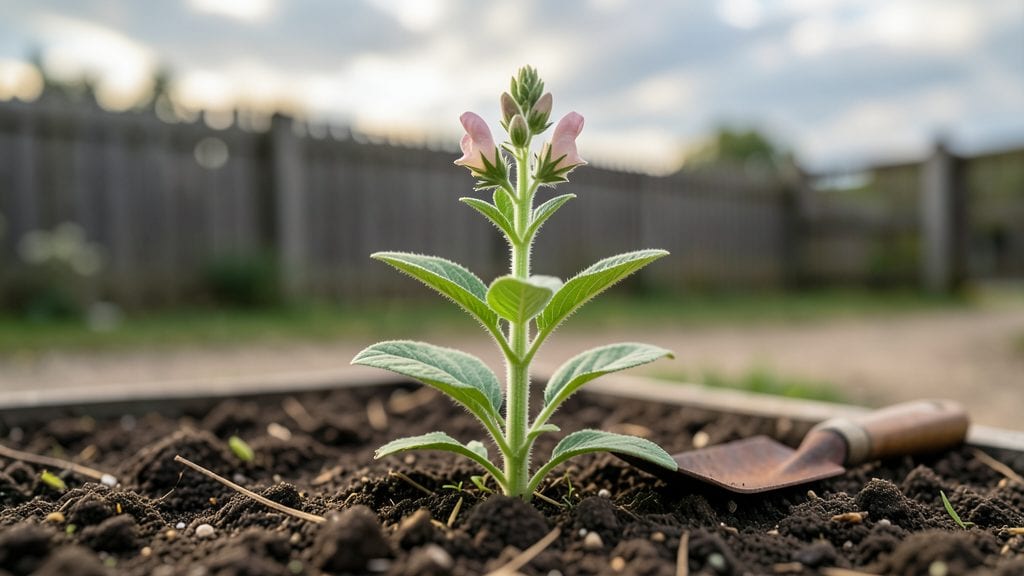
Understanding snapdragon seedling stages turns a guessing game into a predictable journey from tiny seeds to vibrant blooms. ✨ The first two weeks after planting are all about patience—those itty-bitty sprouts unfurling cotyledons that look like tiny leaves but aren't even leaves yet.
I remember my first batch where I nearly drowned them thinking they needed more water, only to watch them rot instead of grow.
By week three, you'll spot the true leaves appearing—long, narrow, and pointed like tiny swords. This is when snapdragons start looking like the flowers you planted, and it's time to introduce gentle light and consistent moisture.
Too much water now causes leggy seedlings, while too little stunts their growth. My trick? Use a spray bottle to keep the soil damp but not soggy.
When seedlings hit 2-3 inches tall with 4-6 true leaves, they're ready for their first true test: transplanting. The roots will be snug in their cells, and the stems sturdy enough to handle moving.
At this stage, they crave bright light and cooler nights to prevent bolting—those tall, skinny stems that shoot up flowers too fast and flop over.
Common pitfalls include damping off (a fungal attack that collapses seedlings at the soil line) and overcrowding. Thin them to 1 inch apart when they're 1-2 inches tall, and always use sterile soil mix.
The payoff? Within 8-10 weeks after germination, you'll have sturdy plants ready to bloom all summer long.
📚 In This Guide
- What you need
- Instructions
- Tips and common mistakes
- Wrapping up and next steps
What you need
- ● Snapdragon seeds: Choose high-quality, heirloom or hybrid seeds (e.g., Antirrhinum majus). Aim for 10–20 seeds per container for a full display.
- ● Seed-starting mix: A lightweight, sterile potting mix (e.g., Pro Mix or FoxFarm Seedling Mix). Avoid garden soil—it’s too dense!
- ● Containers: Cell trays (72–200 cells) or biodegradable pots (2–3 inches deep) for individual seedlings.
- ● 1–2 gallon nursery pots or a shallow tray (with drainage) for sowing multiple seeds.
- ● Grow lights or sunny windowsill: Snapdragons need 12–16 hours of light daily. A full-spectrum LED grow light (e.g., Spectrum LED) works best if natural light is limited.
- ● Spray bottle: A fine-mist watering can or spray bottle to keep seeds moist without disturbing them.
- ○ Clear plastic dome or plastic wrap: Optional but helpful for creating a humid microclimate until germination.
- ● Fertilizer: A balanced, water-soluble fertilizer (e.g., 10-10-10 or fish emulsion) at half-strength once seedlings sprout.
- ● Tweezers or seed starter tool: For gently placing tiny seeds without crushing them.
- ● Small hand trowel: To transplant seedlings into larger pots or the garden.
- ● Humidity tray: A shallow tray with pebbles and water to boost humidity (especially in dry climates).
- ○ Thermometer (optional): Snapdragons germinate best at 65–75°F (18–24°C).
- ○ Heat mat (optional): Speeds up germination in cooler conditions (set to 70–75°F).
How to identify snapdragon seedling stages: a visual guide
Watch your snapdragons transform from tiny seeds to vibrant blooms—here’s how to recognize each growth phase.
🌱 Step 1: Germination (Days 7-21)
Germination begins when you see the first tiny green shoot break through the soil surface. This usually happens 7-21 days after sowing, depending on temperature—warmer conditions speed it up. The seedling will appear as a small, delicate loop or hook, called the hypocotyl.
Keep the soil consistently moist but not soggy during this stage. If the surface dries out, germination slows or stops. You’ll know it’s ready for the next phase when the first pair of true leaves unfurl—these look like miniature versions of the adult plant’s foliage, not the initial seed leaves.
🌿 Step 2: Seedling Establishment (Weeks 3-4)
Once the first true leaves appear, your snapdragon seedlings are entering the establishment phase. These leaves are usually 1/4 to 1/2 inch long and have a slightly fuzzy texture. At this point, the plant’s root system is growing rapidly, so avoid disturbing it by overhandling.
Place seedlings under bright, indirect light for now—they’re still too tender for direct sun, which can scorch their delicate leaves. You’ll notice the stems thickening slightly as they prepare for the next growth spurt. Thin crowded seedlings to 2-3 inches apart to prevent competition for nutrients.
☀️ Step 3: Vegetative Growth (Weeks 5-8)
This is when your snapdragons really start to take off. You’ll see rapid leaf production, with new foliage emerging every few days. The stems will lengthen, and the leaves will grow larger—typically 1-2 inches long—with a more pronounced fuzzy texture. At this stage, the plant’s structure begins to resemble its mature form.
Introduce 4-6 hours of morning sun daily to strengthen stems and leaves. Watch for leggy growth (long, thin stems with widely spaced leaves)—this signals insufficient light. If you see this, move the seedlings closer to a brighter window or under grow lights. Fertilize lightly with a balanced liquid fertilizer to support this growth phase.
🌸 Step 4: Bud Formation (Weeks 9-12)
The moment you’ve been waiting for: tiny flower buds will begin to form at the stem tips. These buds start as small, rounded bumps, often 1/8 inch in diameter, and gradually develop into the iconic snapdragon flower shape. The leaves may slow their growth as the plant redirects energy toward blooming.
Reduce fertilizer applications slightly during this stage—too much nitrogen can delay flowering. Ensure the plants receive full sun (6+ hours daily) to encourage strong bud development. You’ll know the buds are healthy when they firm up and develop a slight sheen, indicating they’re ready to open.
⏰ Step 5: Bloom and Maintenance (Weeks 12+)
When the buds fully open, your snapdragons will reveal their signature blooms in vibrant colors. Each flower will have a distinctive "snap" shape that opens and closes throughout the day, hence the name. The plant may produce 10-20 flowers per stem, depending on care and variety.
Deadhead spent blooms by pinching them off just above a set of leaves to encourage continuous flowering. Keep the soil consistently moist but well-drained, and watch for pests like aphids, which love tender new growth. With proper care, your snapdragons will bloom for 6-8 weeks, providing long-lasting color to your garden.
Tips & tricks for perfect snapdragon growth
Here's what nobody tells you about growing snapdragons from seed to bloom—these are the secrets that make all the difference.
Lighting is Everything: During the germination phase (days 7-21), keep your seeds under bright, indirect light—no need for grow lights yet. Once you reach the seedling establishment phase (weeks 3-4), move them to a south-facing window or under fluorescent lights for 12-14 hours daily. I learned this the hard way after getting leggy seedlings from insufficient light.
Thinning Saves the Day: When you thin crowded seedlings to 2-3 inches apart, don't just pull them—use clean scissors to snip at soil level. This prevents disturbing the roots of remaining plants. I used to yank them out, which always caused shock to the remaining seedlings. The key is precision, not force.
Watering Wisdom: Snapdragons hate soggy soil but despise dry soil too. During germination, keep the soil consistently moist by misting daily rather than pouring. In the vegetative growth phase (weeks 5-8), water at the base rather than overhead to prevent fungal diseases. I've seen entire batches fail from overwatering during this critical stage.
Bud Formation Care: When those tiny buds appear (weeks 9-12), reduce fertilizer to half-strength. Too much nitrogen at this stage will delay flowering. I used to fertilize normally and wondered why my buds took forever to open—turns out, they were just waiting for me to stop feeding them!
Pro Tips for Snapdragon Seedling Stages
- Here's what nobody tells you about growing snapdragons from seed to bloom—these are the secrets that make all the difference.
- Lighting is Everything: During the germination phase (days 7-21), keep your seeds under bright, indirect light—no need for grow lights yet.
- Thinning Saves the Day: When you thin crowded seedlings to 2-3 inches apart, don't just pull them—use clean scissors to snip at soil level.
Frequently asked questions
Got questions about growing snapdragons from seed? You’re not alone! Here are some of the most common queries—plus quick, actionable answers to keep your seedlings thriving.
How long does it take for snapdragon seedlings to sprout?
Snapdragon seeds typically sprout in 7–14 days under ideal conditions (warmth, moisture, and indirect light). If you’re impatient, try soaking seeds overnight before planting to speed up germination. Keep soil consistently moist but not soggy—overwatering can drown tiny sprouts!
When should I transplant snapdragon seedlings outdoors?
Wait until after the last frost and when seedlings have 2–4 true leaves (not just the initial seed leaves). Harden off seedlings for 7–10 days by gradually exposing them to outdoor conditions. Plant in full sun to partial shade, spacing them 12–18 inches apart for optimal airflow.
Why are my snapdragon seedlings turning yellow or leggy?
Yellowing leaves often signal overwatering or poor drainage, while leggy seedlings mean too little light. Fix it by:
- Moving seedlings to a sunny windowsill or grow light (12–16 hours/day).
- Using well-draining soil (add perlite or sand if needed).
- Avoiding cold drafts or temperature swings (ideal range: 60–75°F).
Can I grow snapdragons from cuttings instead of seeds?
Yes! Snapdragons can be propagated from stem cuttings in late spring/early summer. Snip a 4–6 inch non-flowering stem, remove lower leaves, and dip in rooting hormone. Plant in moist perlite or sand, then cover with a plastic bag to retain humidity. Roots should form in 3–4 weeks—great for saving favorite varieties!
What’s the best time of year to start snapdragon seeds indoors?
For most climates, start seeds 8–10 weeks before your last frost date (typically February–March). If you’re in a warm zone, you can direct-sow 6–8 weeks before frost. Pro tip: Label trays and keep them in a warm spot (like on top of the fridge) until sprouts appear!
Wrapping up and next steps
Understanding the snapdragon seedling stages turns gardening from guesswork into a rewarding journey! 🌱 From those first tiny sprouts to vibrant blooms, each phase is a testament to your care and patience. Whether you're a beginner or seasoned grower, watching your snapdragons thrive is incredibly satisfying.
Now that you’re equipped with the knowledge, take the next step—plant your seeds with confidence! Monitor their progress using the growth chart, and soon, you’ll be enjoying a garden bursting with color. Happy growing! 🌸