Vegetables
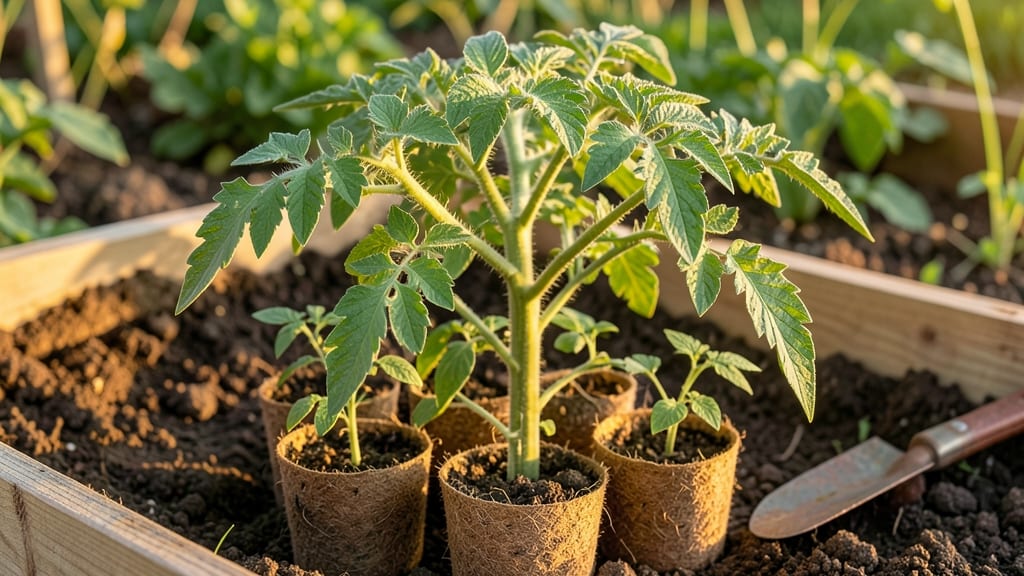
Starting tomato seeds outside can cut weeks off your growing season—if you nail the timing, soil warmth, and seed prep.
Picture this: you skip the indoor trays and head straight to the garden, only to watch your seeds rot in cold soil or sprout too late for a real harvest. That’s the risk when you rush it.
In zones like 6a, aim for April–May when soil hits 60°F+ and frost is behind you. I’ll walk you through the exact steps to plant 🍅 seeds directly outside—no starter pots needed—for faster, stronger plants.
You’ll learn how to test soil temps, pick the right varieties, and harden off seedlings the right way—so your tomatoes go from seed to vine in record time.
Best time and climate conditions for direct outdoor tomato seed planting
Planting tomato seeds directly outdoors can be a game-changer for busy gardeners who want to skip the indoor starter phase. However, timing is everything—plant too early, and your seeds will rot in cold soil; too late, and you’ll miss the growing season.
The key lies in understanding your last frost date, soil temperature thresholds, and regional growing zones to give your seeds the best chance at thriving. For most gardeners, this means waiting until soil reaches 55-60°F (13-16°C) and the air temperature stays consistently above 50°F (10°C).
Tomatoes are warm-season crops, meaning they need heat to germinate and grow. If you plant seeds in cold soil, they’ll linger underground for weeks or fail to sprout altogether.
Even if your local nursery sells tomato seedlings, direct sowing seeds outdoors can save you money and effort—just get the timing right.
For example, in USDA Zone 7, seeds can go in the ground as early as mid-April, while in Zone 4, you might not plant until late May.
Another critical factor is seed variety selection. Some tomatoes, like cherry varieties or early-maturing hybrids, tolerate cooler soils better than heat-loving beefsteak tomatoes. Always check the seed packet for days to maturity and cold tolerance notes.
For instance, 'Early Girl' tomatoes can handle slightly cooler soils, while 'Brandywine' needs warmer conditions to thrive.
Before planting, test your soil temperature with a soil thermometer—it’s the most accurate way to confirm readiness. Dig a hole about 2 inches deep and leave the thermometer buried overnight for a true reading.
If the soil is below 55°F (13°C), wait another week or use black plastic mulch to warm it up faster. This simple step can mean the difference between failed germination and a thriving tomato patch.
Don’t forget to consider your local microclimate. A south-facing garden bed warms up faster than a shady spot, and urban areas can trap heat, creating ideal conditions weeks before rural fields.
If you’re unsure about your last frost date, check the National Weather Service or your local cooperative extension service for regional guidelines. For example, gardeners in California’s Central Valley can plant seeds in February, while those in New England should wait until late May.
One common mistake is planting seeds too early in hopes of an early harvest. Cold soil can cause seed rot or damping-off disease, which kills seedlings before they even sprout.
To avoid this, use a seed heating mat if needed, or opt for biodynamic planting calendars that align with lunar cycles for optimal germination. Even experienced gardeners sometimes rush and end up with patchy or slow-growing plants—so patience is key.
If you’re in a short-season climate, choose fast-maturing varieties like 'Stupice' or 'Sungold', which can produce fruit in as few as 50 days. These varieties are perfect for gardeners in Zone 5 or colder, where the growing season is brief.
Pair them with row covers to extend the season and protect young plants from unexpected late frosts.
For gardeners in warmer climates (Zones 8-10), the challenge shifts to avoiding heat stress during germination. Plant seeds in early spring or late summer to avoid the peak heat of summer, which can dry out seeds before they sprout.
In these regions, shade cloth or drip irrigation can help maintain moisture and soil temperature.
Finally, always keep an eye on the weather forecast in the days leading up to planting. A sudden cold snap can undo weeks of preparation. If frost is predicted, cover your seeds with row fabric or a cloche until temperatures rise.
With the right timing and a little preparation, direct outdoor tomato seed planting can be just as successful—and often more rewarding—than starting seeds indoors.