
Pruning
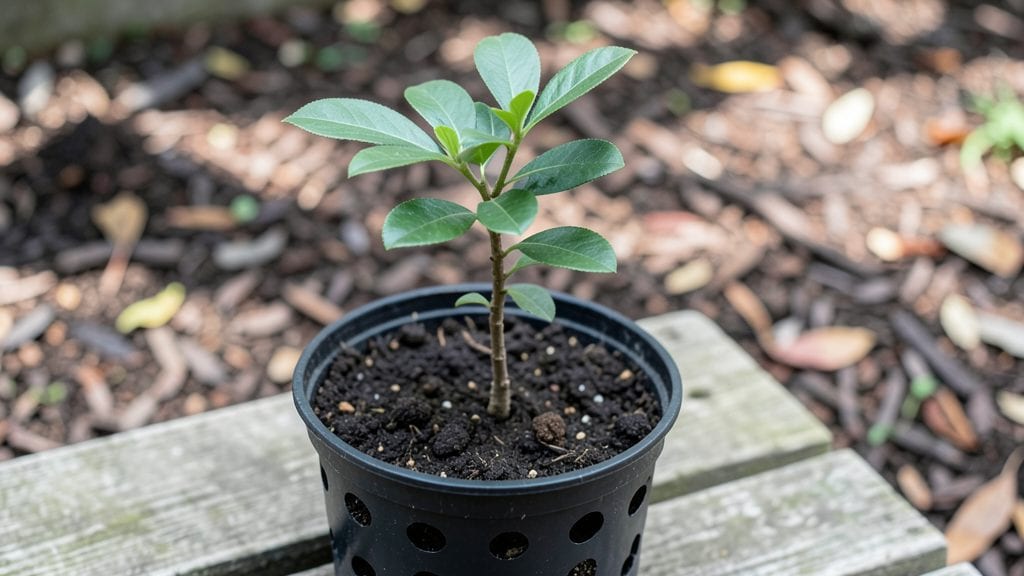
Growing a strawberry tree seedling from scratch means you’ll soon have a year-round showstopper with fragrant flowers and edible berries. 🌿 I’ve nurtured mine through transplant shock and slow starts, and now it’s a lush, evergreen centerpiece that blooms in winter when most gardens sleep.
The key to success starts with the right spot—partial shade for seedlings, then gradually more sun as they mature. Your soil should drain well (strawberry trees hate soggy roots), and a 5-gallon container works for the first year if your climate gets harsh winters.
Water deeply once a week, but let the top inch dry between soakings.
Pruning isn’t just about shaping—it’s how you keep those sweet, wine-like berries coming back. In late winter, cut back dead branches and thin crowded growth to let sunlight reach the center. The first harvest might take 3-5 years, but each year’s blooms get more reliable with proper care.
Troubleshooting early? Yellow leaves often mean overwatering, while slow growth could signal too much shade. Once established, these trees thrive with minimal fuss—just watch for those holly-like berries ripening in fall. Here’s how to get your seedling off to the right start.
📚 In This Guide
- What you need
- Instructions
- Tips and common mistakes
- Wrapping up and next steps
What you need
- ● Strawberry tree seedling (1-2, depending on desired growth)
- ● Pruning shears (sharp, sterilized, with bypass blades for clean cuts)
- ● Gloves (gardening or work gloves for protection)
- ● Hose or watering can (with a gentle spray nozzle)
- ○ Pruning sealant (optional but recommended for larger cuts)
- ● Disinfectant (70% isopropyl alcohol or bleach solution for sterilizing tools)
- ● Compost or well-draining potting mix (if repotting: 3-5 gallons per seedling)
- ● Container or garden bed (if not already planted; ensure 6+ inches of depth and drainage holes)
- ● Slow-release fertilizer (balanced 10-10-10 or citrus-specific formula)
- ● Mulch (organic, like bark chips, to retain moisture)
- ● Support stakes or trellis (for young seedlings in windy areas)
- ● pH testing kit (to ensure soil is acidic, 5.0–6.5 for optimal growth)
- ● Plant labels (to track growth stages and pruning dates)
Step-by-step pruning guide for your strawberry tree seedling
Here’s how to shape your seedling into a lush, flowering tree that rewards you with year-round blooms.
🌱 Step 1: Identify and Remove Dead or Weak Growth
Start by inspecting your seedling for any branches that are brown, brittle, or failing to leaf out. These are dead or dying and should be pruned immediately to redirect the plant’s energy. Use clean, sharp pruning shears to make a clean cut just above a healthy bud or node—never leave stubs, as they invite disease.
Look for thin, spindly growth with sparse leaves—these are weak and won’t contribute to the tree’s structure. Snip them at the base. This step is critical for establishing a strong framework before the tree matures. If you’re unsure, cut conservatively: you can always prune more later, but you can’t undo over-pruning.
✂️ Step 2: Shape the Tree’s Canopy for Airflow
Your goal is to create an open, rounded canopy that allows sunlight and air to circulate freely. Begin by thinning out crowded branches—remove every other branch where two or more grow too close together. This prevents fungal issues and encourages larger, healthier blooms.
Focus on removing branches that cross or rub against each other. These will eventually scar the bark and create entry points for pests. Step back occasionally to visualize the tree’s shape—aim for a balanced, natural silhouette. Avoid cutting more than 25% of the foliage in one session, as this can stress the seedling.
☀️ Step 3: Prune for Light Penetration and Flower Production
Strawberry trees bloom best when they receive ample light. Prune any branches that block sunlight from reaching the center of the tree. Cut back overly long or leggy growth to encourage bushier, more compact growth. Aim to reduce branch length by about one-third if they’re excessively long.
Pay special attention to branches that grow inward. These not only shade the interior but also create a damp, humid microclimate that promotes mildew. After pruning, you’ll notice new buds forming along the remaining branches—these will develop into stronger stems and more vibrant blooms.
⏰ Step 4: Time Pruning for Optimal Growth
Prune your strawberry tree seedling in early spring, just as new growth begins to emerge. This timing ensures the tree has plenty of time to recover before the blooming season. Avoid pruning in late fall or winter, as the tree is dormant and more vulnerable to stress.
If you notice excessive new growth in summer, a light pruning can help maintain shape, but avoid heavy cuts. The key is to prune when the tree is actively growing but not yet in full bloom. This balance ensures you encourage both foliage and flower development without overburdening the seedling.
🌿 Step 5: Clean Up and Monitor for Recovery
After pruning, remove all clippings from the area to prevent disease or pests from taking hold. Sterilize your pruning tools with rubbing alcohol to avoid spreading pathogens. Water the base of the tree lightly to help it recover from the stress of pruning.
Watch for new growth within 2-4 weeks—this is your sign that the tree is responding well. If you see yellowing leaves or wilting, reduce watering slightly and ensure the tree is in a location with partial shade for a few days to help it adjust. Regular pruning will keep your strawberry tree healthy, blooming, and full of life for years to come.
Tips & tricks for perfect strawberry tree pruning
A few strategic cuts now will transform your seedling into a thriving, year-round bloomer—here's what I've learned after years of shaping these delicate trees.
Tool Prep is Non-Negotiable: Before you even touch a branch, sterilize your pruning shears with rubbing alcohol. I've seen too many gardeners skip this step and end up with fungal infections spreading through their trees. Use sharp shears—dull blades crush stems and create jagged cuts that heal poorly. I keep a small bottle of alcohol in my gardening toolkit specifically for this purpose.
The 25% Rule for Stress Management: In Step 2, when you're thinning crowded branches, remember that removing more than 25% of the foliage in one session can shock your seedling. I learned this the hard way when I aggressively pruned 40% of my tree's canopy—it took weeks to recover. Instead, focus on strategic cuts that improve airflow without overburdening the plant. Think of it as giving your tree a spa day rather than a makeover.
Visualizing the Canopy: Step back frequently to assess your work. I like to use the "cup of hands" method—if I can't see the center of the tree through my cupped hands when standing 3 feet away, there's still too much shading. This simple visual cue helps me determine when I've achieved that perfect open, rounded shape. It's amazing how much difference this perspective change makes in creating balance.
Timing is Everything: The early spring timing in Step 4 is crucial because it allows your tree to recover before the blooming season. I've found that pruning in late winter (just before buds swell) gives the best results. If you must prune in summer, limit yourself to light maintenance—never more than 10% of the foliage—and always avoid cutting back into old wood, as this can stimulate weak growth that won't bloom well.
Pro Tips for Strawberry Tree Seedling
- A few strategic cuts now will transform your seedling into a thriving, year-round bloomer—here's what I've learned after years of shaping these delicate trees.
- Tool Prep is Non-Negotiable: Before you even touch a branch, sterilize your pruning shears with rubbing alcohol.
- The 25% Rule for Stress Management: In Step 2, when you're thinning crowded branches, remember that removing more than 25% of the foliage in one session can shock your seedling.
Frequently asked questions
How long does it take for a strawberry tree seedling to grow and flower?
A strawberry tree seedling typically takes 2–4 years to mature enough to produce its signature red, strawberry-like flowers. Patience is key—focus on providing well-draining soil, bright (but indirect) light, and consistent watering. Young seedlings may bloom sporadically in their first year, but full flowering usually happens once they’re established.
Can strawberry tree seedlings survive winter? What’s the best way to protect them?
Strawberry trees (Arbutus unedo) are hardy to USDA zones 7–9, but young seedlings need extra care in colder climates. Mulch the base with 2–3 inches of organic matter (like straw or pine needles) to insulate roots. For extreme cold (<20°F), wrap the pot in burlap or move potted seedlings to a sheltered spot. Avoid fertilizing in late fall—let the plant rest!
How often should I prune a strawberry tree seedling?
Prune lightly in late winter or early spring (before new growth starts) to shape your seedling and encourage bushier growth. Remove dead, diseased, or crossing branches first. Avoid heavy pruning—wait until the plant is at least 2–3 years old and well-established. Over-pruning can stress young seedlings and delay flowering.
What’s the difference between a strawberry tree seedling and a cutting? Which is easier to grow?
Seedlings grow from seeds (slow process, 2+ years to flower) and are genetically variable. Cuttings are cloned from mature plants, root faster, and retain parent traits. Cuttings are easier for beginners—just take a 4–6 inch semi-hardwood cutting in summer, dip in rooting hormone, and plant in moist soil. Seedlings require more patience but can be rewarding for collectors!
Why aren’t my strawberry tree seedlings flowering? Troubleshooting tips.
No flowers? Check these common issues:
- Age: Seedlings <2 years old won’t bloom—give it time!
- Light: Needs 6+ hours of sun daily (partial shade is okay but may delay blooms).
- Stress: Over/under-watering, poor soil, or pests (like spider mites) can stunt growth.
- Fertilizer: Use a balanced, low-nitrogen fertilizer (like 10-10-10) in spring/summer.
If the plant is healthy but still not flowering, it might just need another year or two to mature!
Wrapping up and next steps
Growing a strawberry tree seedling is a rewarding journey that brings vibrant, year-round blooms to your garden! With the right pruning techniques, you’ll ensure healthy growth, abundant flowers, and even delicious fruit.
Whether you’re a beginner or a seasoned gardener, these tips make it easy to nurture your seedling into a stunning centerpiece.
Ready to take the next step? Start small—pick one season to practice pruning, then expand your skills. Watch your strawberry tree thrive, and soon, you’ll be sharing its beauty (and maybe even its berries!) with neighbors. Happy gardening! 🌸✂️