Pests
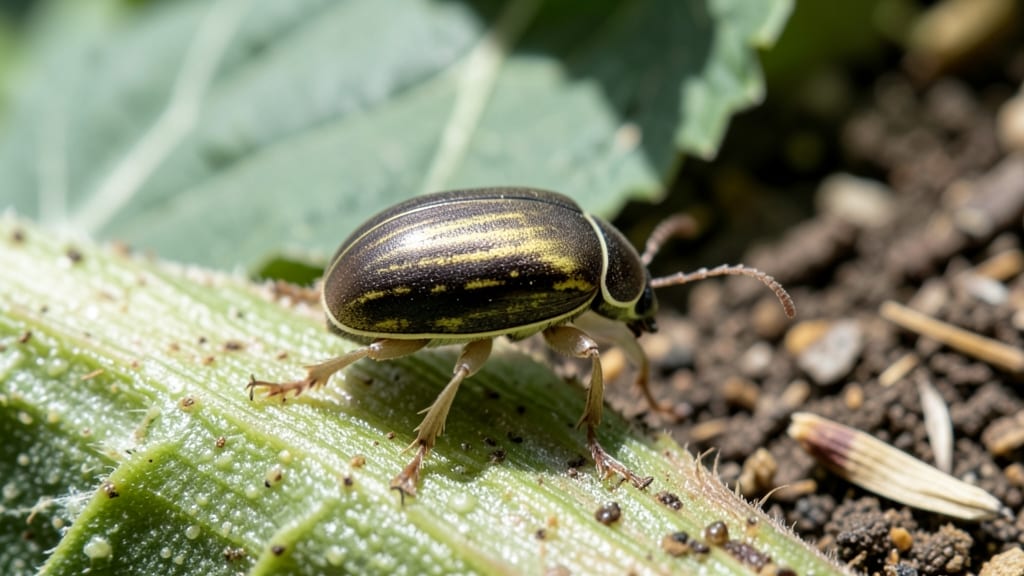
Sunflower seed beetles can turn your golden harvest into a chewed-up disappointment before you even notice. I’ve watched my prized sunflowers go from towering stalks to skeleton stems in just a few weeks—until I learned these sneaky beetles thrive in dry, warm conditions and lay eggs right inside seed heads.
The damage isn’t just cosmetic; it ruins seeds and weakens plants for next year’s growth.
The good news? You don’t need harsh chemicals to fight back. I’ve had the most success with simple traps—like crushed sunflower seeds in a jar of water—and companion plants that confuse beetles into thinking they’ve found a different buffet.
Even a 5-minute daily check of your sunflower heads can catch early signs before the beetles multiply. The key is acting fast when you spot those tiny, black larvae munching away.
By combining these natural defenses with smart timing—like harvesting seed heads early—you’ll protect your crop without harming pollinators or the soil. My sunflowers now stand tall and full, their seeds intact and ready for planting.
The secret isn’t complicated, but it does require vigilance. Let’s turn those beetles into a non-issue this season.
This approach works whether you’re growing sunflowers for cut flowers, birdseed, or oil—no matter your garden size. The same principles apply to other vulnerable crops like coneflowers and daisies, too. Here’s how to make it happen without stressing your plants (or your patience).
Why it happens
Sunflowers are a bountiful crop, but their seeds can quickly become a feast for hungry sunflower seed beetles (often Smicronyx sordidus or similar species). Understanding why these pests target your harvest—and how they exploit your garden—is the first step to stopping them. Here’s why your seeds might be under attack.
🌱 Overripe or Damaged Sunflower Heads
Sunflower seed beetles are drawn to sunflower heads that are mature but not yet fully dried. When seeds soften—either because they’re overripe or because of harsh weather (like rain or humidity)—they become an easy snack.
Beetles can detect these vulnerable seeds from a distance, often laying eggs directly in the head, where larvae will later burrow in.
Why it matters: A single beetle can lay up to 500 eggs in a season, and their larvae will devour seeds from the inside out. If you notice holes in the back of sunflower heads or frass (insect droppings), your crop is already compromised.
🌿 Poor Harvest Timing
Harvesting sunflowers too late leaves them susceptible to beetle infestations. Beetles thrive in moist, warm conditions, which often coincide with late summer or early fall—peak ripening time. If you delay cutting sunflowers past their prime, you’re essentially inviting these pests to move in.
Key factors:
- Seed moisture: Beetles avoid dry seeds but love seeds with 10-15% moisture—ideal for egg-laying.
- Delayed drying: Leaving heads on stalks too long (especially in humid climates) speeds up seed spoilage, making them more attractive to beetles.
Pro tip: 💡 Harvest sunflower heads when the back turns yellow and seeds are fully plump but not yet soft. Cut them early in the morning when humidity is lowest to slow beetle activity.
🏡 Lack of Natural Predators
Sunflower seed beetles face few natural enemies in most gardens. While birds, parasitic wasps, and ground beetles can control their populations, these predators often avoid treated or chemically managed fields. If your garden lacks biodiversity—such as wildflowers, hedgerows, or beneficial insect habitats—beetle populations can explode unchecked.
Ecological imbalance:
- Monoculture sunflower fields provide no escape for predators, making beetles the dominant species.
- Pesticide use can kill off beneficial insects faster than it affects beetles, creating a vacuum for pests.
Actionable fix: ✨ Plant companion crops like dill, fennel, or marigolds to attract predatory wasps and ladybugs. Leave some sunflower stalks unharvested to support overwintering predators.
🌡️ Climate and Weather Patterns
Beetles are highly sensitive to temperature and rainfall. Warm, dry springs followed by humid summers create perfect conditions for their lifecycle. Here’s how weather plays a role:
| Weather Factor | Beetle Behavior |
|---|---|
| High humidity (60%+) | Softens seeds, making them easier to penetrate; eggs hatch faster. |
| Mild winters | Allows adult beetles to survive longer, extending the breeding season. |
| Drought stress | Weakens sunflower plants, making them less resilient to beetle damage. |
Regional hotspots: Areas like the Midwest and Southern U.S. see heavier infestations due to prolonged growing seasons and high summer heat.
🌾 Stored Seed Vulnerabilities
Even after harvest, beetles can infiltrate stored seeds if proper precautions aren’t taken. Infestations in storage often start because:
- Improper drying: Seeds stored with even slight moisture (above 8%) encourage beetle egg-laying.
- Poor ventilation: Stagnant air traps heat and humidity, mimicking the ideal beetle nursery.
- Contaminated storage: Old seed bags or unclean bins may already harbor beetle eggs or larvae.
Critical threshold: 🌡️ Store seeds at below 60°F (15°C) and below 10% moisture to deter beetles. Use airtight, food-grade containers with silica gel packets.
Practical Fixes for Seed-Eating Invaders
Now that you know what’s luring these tiny pests into your garden, let’s tackle them head-on with effective, eco-friendly solutions—no harsh chemicals required.
Below, we’ve mapped out targeted fixes based on the root causes (like moisture, seed debris, or weak plants) and paired them with prevention strategies to keep your sunflowers—and your seeds—safe.
Cause: Leaving spent seed heads or damp soil creates the perfect buffet (and hiding spot) for beetles. Fix:
- 🍳 Rake and remove fallen seed heads, husks, or damaged pods immediately after harvest. Store them in sealed containers if saving for later.
- 👨🍳 Till or aerate the soil post-harvest to disrupt beetle larvae hiding in the top 2–3 inches. Aim for dry soil—beetles thrive in damp conditions.
- 🥘 Elevate seed storage: Keep extra seeds in airtight glass jars with a bay leaf or clove (natural repellent) in a cool, dry place (like a pantry).
💡 Pro Tip: If beetles are already in stored seeds, freeze them for 48 hours to kill eggs/larvae before replanting.
Cause: Weak or stressed plants attract pests like a neon sign. Fix:
- 🌡️ Water deeply but less often—sunflowers hate soggy roots. Aim for 1–1.5 inches of water per week (adjust for rain).
- 💪 Boost nutrition: Side-dress with compost or a balanced fertilizer (10-10-10) at planting and mid-season. Beetles target nitrogen-deficient plants.
- 🎯 Plant companion crops like marigolds, basil, or thyme nearby—their strong scents mask sunflower odors and repel beetles.
✨ Bonus: Interplant with fast-maturing varieties (like ‘Moulin Rouge’) to harvest before beetles peak in late summer.
Cause: Adult beetles lay eggs in seed heads, kicking off the next generation. Fix:
- 🔪 Handpick adults in the morning when they’re sluggish. Drop them into soapy water (humane but effective).
- 🥘 DIY beer traps: Bury a shallow dish filled with beer mixed with a drop of dish soap near plants. Beetles are drawn in and drown. Refresh every 2–3 days.
- 🌿 Yellow sticky traps: Place yellow cards coated with Tanglefoot near seed heads. Beetles are attracted to the color and get stuck.
💡 Pro Tip: Time traps before flowering (June–July) when adults are most active.
Cause: Large-scale damage requires a physical shield. Fix:
- 🧶 Lightweight row covers: Use fine mesh fabric over young plants until they’re past the flowering stage (beetles can’t chew through it).
- 🥘 Cinnamon or diatomaceous earth (DE): Dust food-grade DE around the base of plants or sprinkle cinnamon on seed heads. Both dehydrate beetles on contact (reapply after rain).
- 🌱 Crop rotation: Avoid planting sunflowers in the same spot yearly. Beetles overwinter in soil—rotate with beans, corn, or brassicas to break their cycle.
⚠️ Warning: DE can harm beneficial insects—use sparingly and only in dry conditions.
To keep beetles from crashing your harvest next season, follow this year-round plan:
- Fall cleanup: Remove all plant debris, till soil, and mulch with straw (not leaves).
- Spring soil prep: Add compost + mycorrhizal fungi to boost plant resilience.
- Monitor traps: Check beer traps and sticky cards weekly during peak season (July–August).
- Store seeds smartly: Use vacuum-sealed bags or oxygen absorbers for long-term seed storage.
Final Thought: Sunflower seed beetles are a nuisance, but with consistent cleanup, smart planting, and a few simple traps, you can outsmart them—without resorting to chemicals. Try one or two methods this season and watch your harvest thrive! 🌻💪
Frequently asked questions
What do sunflower seed beetle larvae look like?
Larvae are tiny, pale yellow or white grubs about 1/8 inch long with a dark head. They burrow inside sunflower heads, leaving behind tiny holes and frass (insect droppings) that look like sawdust. Check the back of seed heads for signs—larvae hide deep inside until fully grown.
Can I use neem oil to control sunflower seed beetles?
Neem oil can help deter adults but won’t kill larvae inside seed heads. Spray neem oil mixed with water on foliage during early morning or evening to avoid harming pollinators. For best results, combine it with physical traps like beer baits or sticky cards. Reapply every 7-10 days during peak beetle activity.
How do I know if my stored seeds have beetle eggs?
Look for tiny black specks (eggs) on seed surfaces or inside storage containers. If you find small holes in seeds or see larvae crawling, infestation has already begun. Freeze seeds for 48 hours to kill eggs, or store them in airtight containers with silica gel packets to prevent future issues.
Are sunflower seed beetles harmful to humans or pets?
No, these beetles are not dangerous to humans or pets. While their larvae can damage sunflower seeds, they don’t bite or sting. However, their presence indicates poor seed storage—always inspect seeds before eating or planting to avoid moldy or infested batches.
Why do some sunflowers get infested while others don’t?
Infestations often target stressed or overripe sunflowers. Beetles prefer heads with 10-15% seed moisture—common in humid climates or delayed harvests. Healthy, well-maintained plants with dry seed heads are less attractive. Rotate crops and harvest early to reduce risk.